


Understanding the complex landscape of heart attack risks is essential, especially as cardiovascular disease continues to be a leading cause of mortality. This article gently explores the key factors that contribute to heart attack risks, offering insights into prevention strategies that can truly save lives. With concerning statistics showing that many individuals are unaware of their susceptibility, a pressing question arises: how can you identify your personal risk factors and make meaningful lifestyle changes to protect your heart health?
In addition to this, it’s important to recognize that you’re not alone in this journey. Many people share similar concerns about their heart health, and it’s completely natural to feel anxious. By understanding the risks and taking proactive steps, you can empower yourself to make informed decisions. Remember, small changes can lead to significant improvements in your overall well-being.
Furthermore, we’ll discuss practical strategies that can help you safeguard your heart. From dietary adjustments to incorporating regular physical activity, there are numerous ways to enhance your heart health. It’s never too late to start making positive changes, and every step counts.
As we navigate through this information together, know that support is available. If you have questions or need guidance, reaching out for help is a strong and positive step. Your heart health matters, and taking action today can lead to a healthier tomorrow.
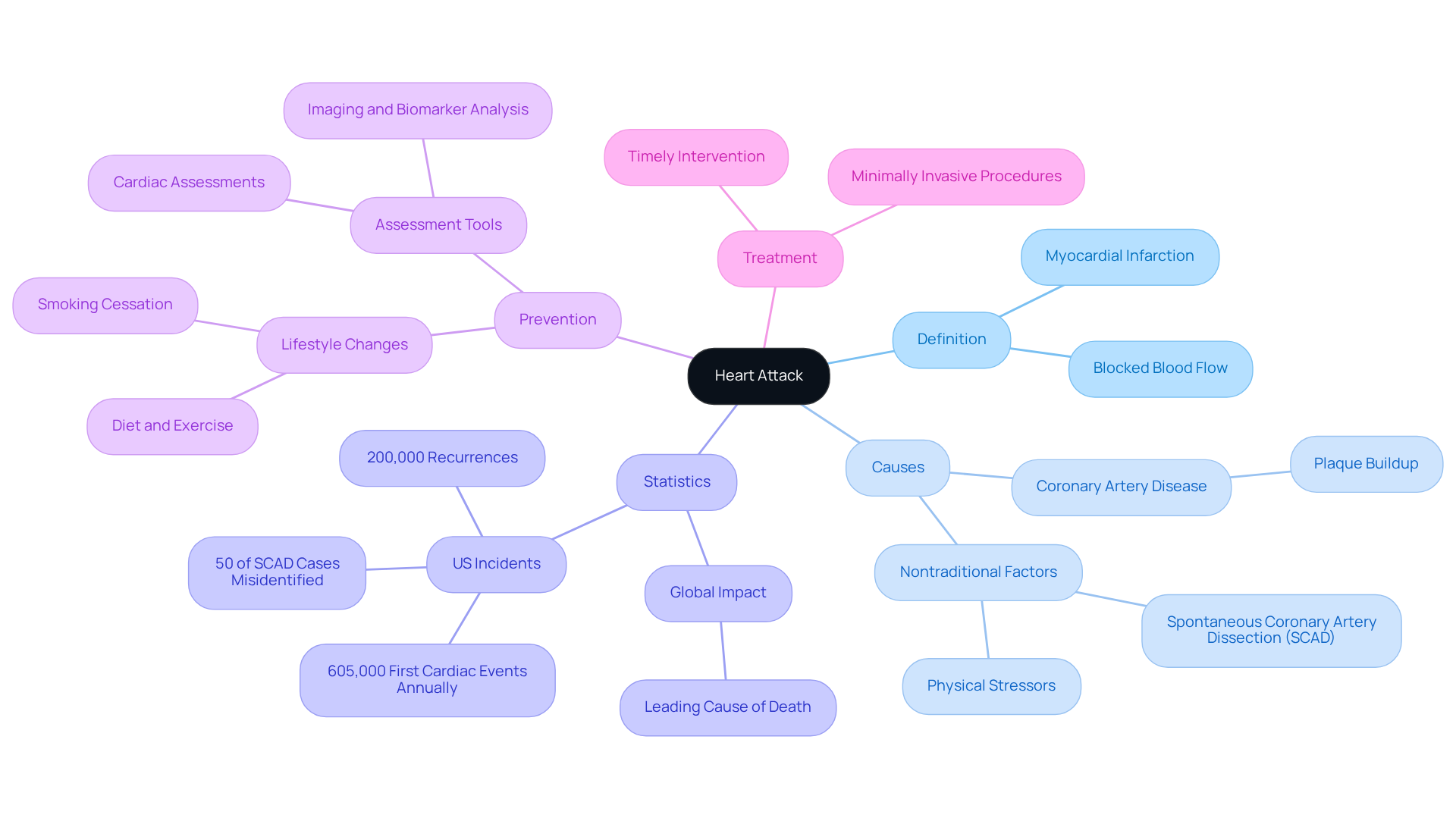
A cardiac event, known medically as a myocardial infarction, occurs when blood flow to a part of the heart is blocked, often by a clot. This blockage stops oxygen-rich blood from reaching the heart muscle, which can lead to damage or even death of the tissue. Common causes include coronary artery disease, where arteries narrow due to plaque buildup.
Recognizing the signs and understanding these underlying mechanisms is crucial for timely intervention and treatment. Did you know that cardiovascular illness is the leading cause of death worldwide? In the United States alone, about 605,000 people experience their first cardiac event each year. Recent research shows that more than half of cardiac incidents in women are linked to nontraditional factors, such as spontaneous coronary artery dissection (SCAD), which occurs nearly six times more often in women than in men. Alarmingly, over fifty percent of SCAD cases were initially misidentified as plaque-related events, underscoring the need for accurate diagnosis.
At Amavita Heart and Vascular Health®, we prioritize thorough cardiac assessments to evaluate important factors like family history, high blood pressure, and diabetes, all of which can significantly influence the likelihood of a heart attack. Our preventive cardiology strategy combines advanced assessment tools, including imaging and biomarker analysis, with personalized interventions. This ensures that each patient receives tailored care that meets their unique needs.
As Bryn Mumma, a professor of emergency medicine, wisely states, "Accurate diagnosis and rapid treatment to restore blood flow are critical, and any tool that speeds up this process can help us save more lives." With our innovative outpatient procedures, patients can enjoy and same-day recovery, enhancing their overall experience and outcomes.
Furthermore, we provide guidance on lifestyle changes and preventive measures for individuals at high risk, helping to further reduce their heart attack risk. Remember, you’re not alone in this journey; we’re here to support you every step of the way.
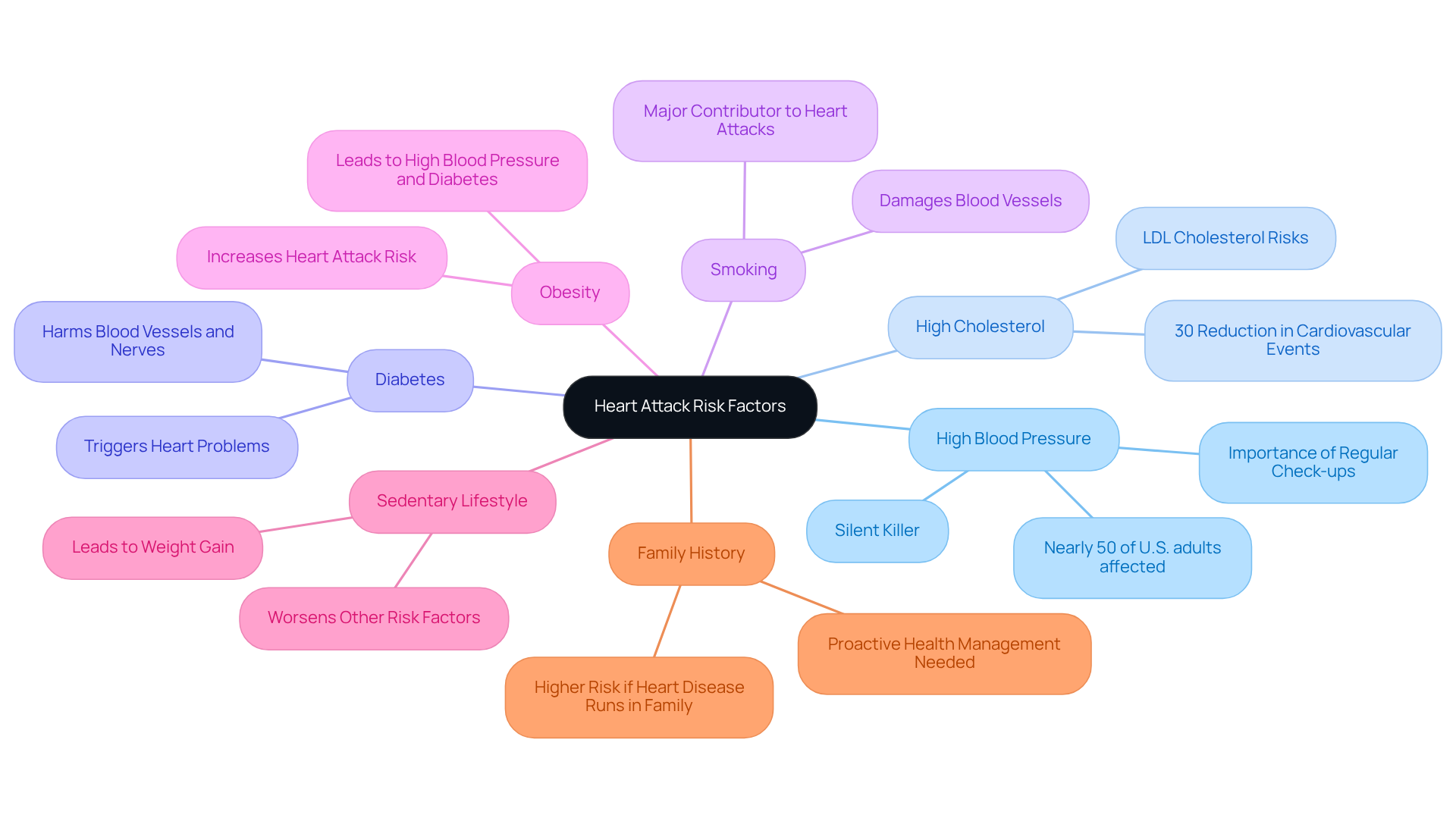
Understanding the that can affect your health is crucial. Here are some key elements to consider:
Recognizing these risk factors is vital for assessing your personal health risks, particularly heart attack risk, and making informed choices. Remember, you’re not alone in this journey. As cardiovascular disease remains a leading cause of death worldwide, seeking support and guidance can make a significant difference in your life.
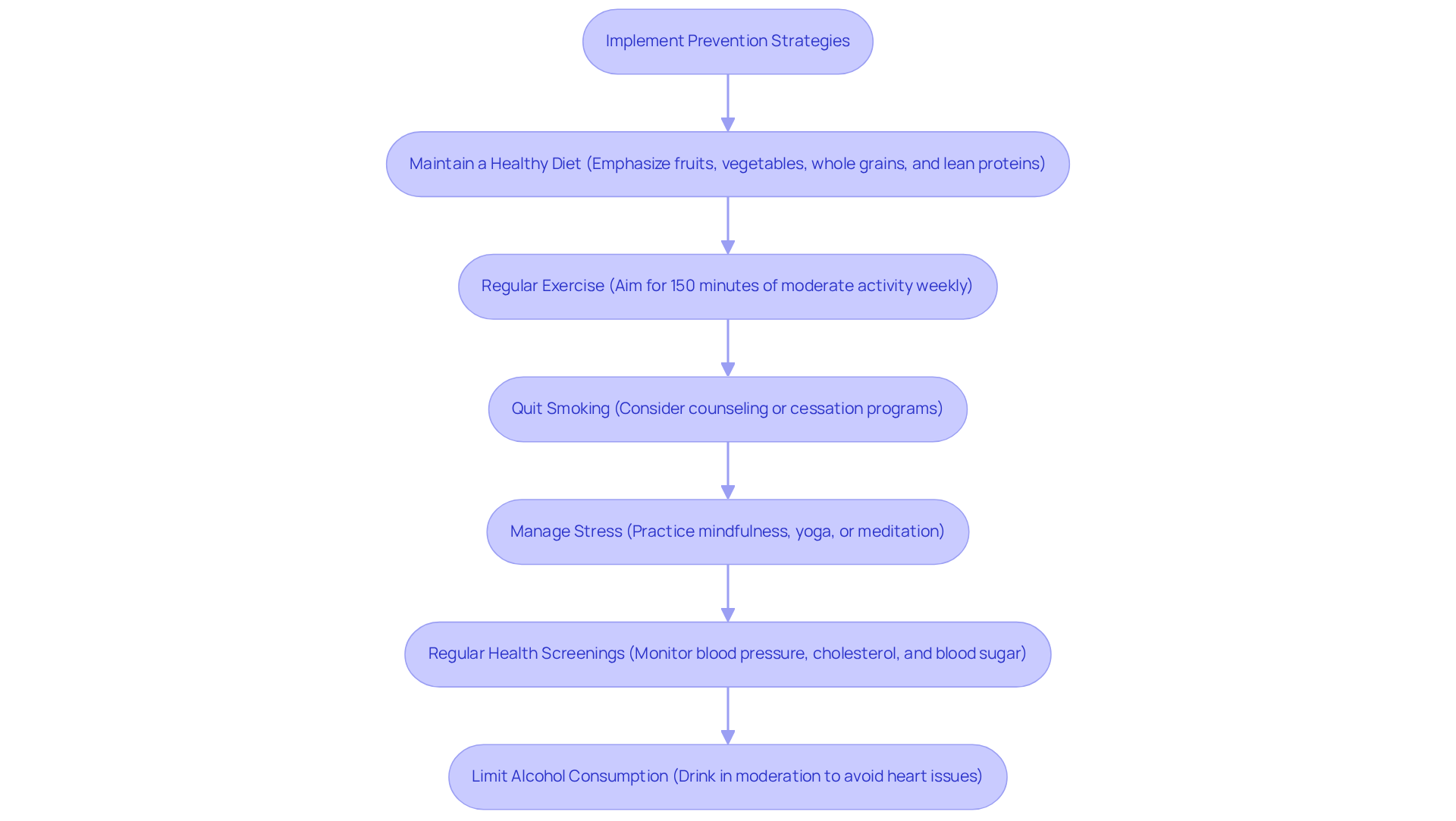
To effectively reduce the risk of a heart attack, consider implementing these caring strategies:
By adopting these strategies, you can make significant improvements in your heart health and overall quality of life. Remember, you’re not alone on this journey; support is always available, and every small step counts towards a healthier future.
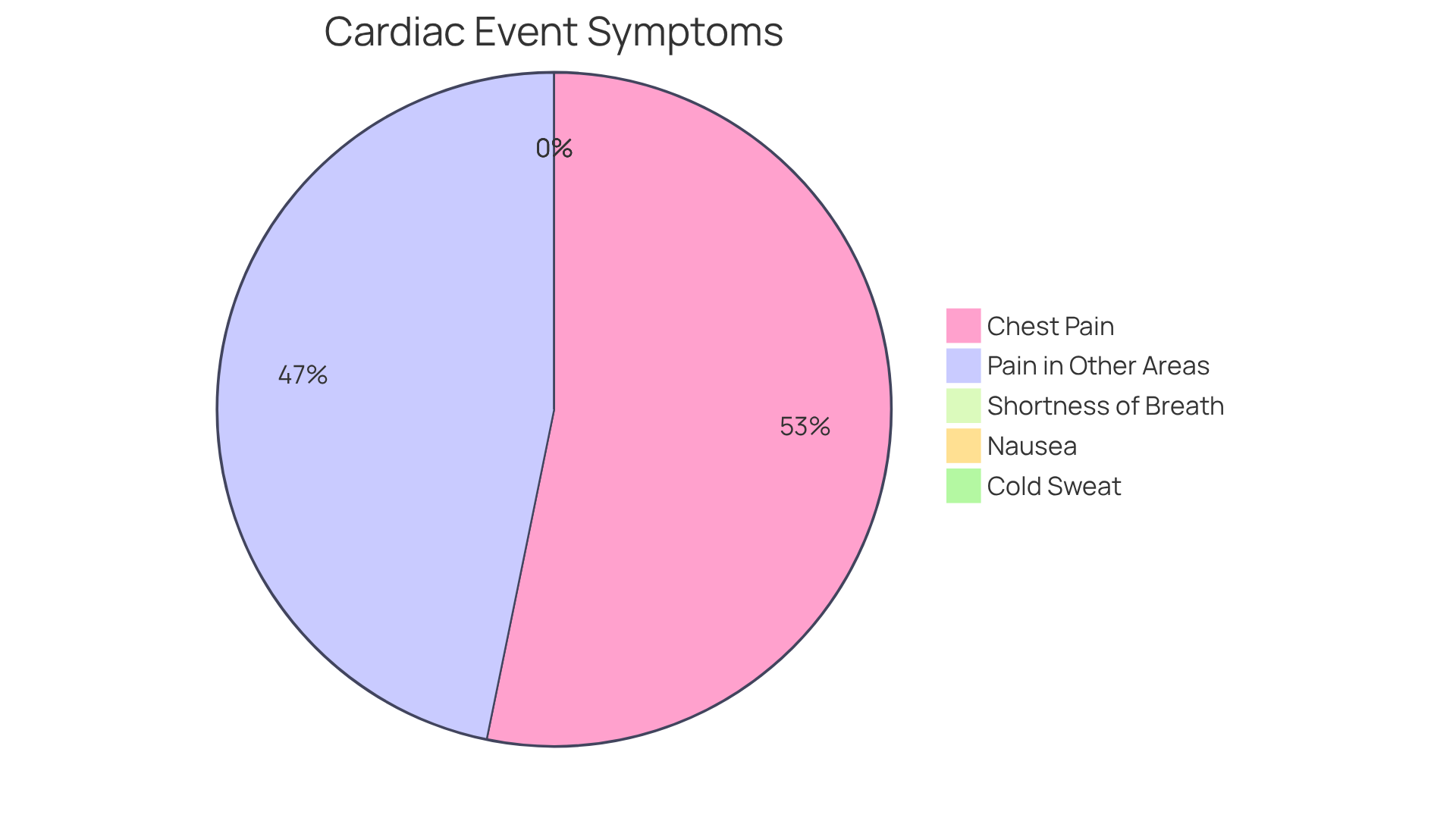
Recognizing the signs of a cardiac event is crucial for ensuring timely help. It’s important to be aware of the common signs, which include:
If you or someone you know experiences these symptoms, especially if they last more than a few minutes or come and go, please seek emergency medical help right away. Early intervention can be lifesaving. Remember, recognizing these symptoms early can significantly improve outcomes. You’re not alone in this; , and taking action can make all the difference.
Understanding heart attack risk and prevention is essential for safeguarding your cardiovascular health. By recognizing the critical factors that contribute to heart attacks, you can take meaningful steps to minimize your risk and enhance your overall well-being. It’s important to acknowledge risk factors such as:
All of which play a significant role in heart health.
Have you considered how lifestyle changes can make a difference? Maintaining a healthy diet, engaging in regular exercise, quitting smoking, managing stress, and scheduling routine health screenings can dramatically reduce your heart attack risk. Furthermore, recognizing the symptoms of a heart attack is vital for ensuring timely medical intervention, which can be lifesaving. The statistics and expert recommendations reinforce the message that awareness and action are key components in the fight against heart disease.
Ultimately, the journey to heart health is a collaborative effort that requires commitment and support. By prioritizing preventive strategies and making informed lifestyle choices, you can significantly lower your heart attack risk and improve your quality of life. Embracing these changes not only benefits your personal health but also contributes to a broader culture of heart health awareness. Together, we can save lives and foster healthier communities.
What is a heart attack?
A heart attack, medically known as a myocardial infarction, occurs when blood flow to a part of the heart is blocked, often by a clot, preventing oxygen-rich blood from reaching the heart muscle, which can lead to tissue damage or death.
What are the common causes of heart attacks?
Common causes of heart attacks include coronary artery disease, where arteries narrow due to plaque buildup.
How prevalent are heart attacks globally?
Cardiovascular illness is the leading cause of death worldwide, with about 605,000 people in the United States experiencing their first cardiac event each year.
What unique factors contribute to heart attacks in women?
More than half of cardiac incidents in women are linked to nontraditional factors, such as spontaneous coronary artery dissection (SCAD), which occurs nearly six times more often in women than in men. Many SCAD cases are initially misidentified as plaque-related events.
How does Amavita Heart and Vascular Health® approach heart attack prevention?
Amavita Heart and Vascular Health® prioritizes thorough cardiac assessments, evaluating factors like family history, high blood pressure, and diabetes, and employs a preventive cardiology strategy that combines advanced assessment tools with personalized interventions.
Why is accurate diagnosis and rapid treatment important for heart attacks?
Accurate diagnosis and rapid treatment to restore blood flow are critical for saving lives, as emphasized by experts in emergency medicine.
What type of treatments does Amavita offer for heart attacks?
Amavita provides innovative outpatient procedures that are minimally invasive, allowing for same-day recovery and enhancing patient experiences and outcomes.
What support does Amavita offer for individuals at high risk of heart attacks?
Amavita offers guidance on lifestyle changes and preventive measures for individuals at high risk, helping to further reduce their risk of heart attacks.