
Understanding Left Arm Swelling in Heart Failure: Causes and Care

Understanding Left Arm Swelling in Heart Failure: Causes and Care

Introduction

Heart failure is a chronic condition that affects millions of people, and it’s important to understand its symptoms, especially the often distressing issue of left arm swelling. This swelling can indicate underlying complications that need immediate attention. By raising awareness and understanding, we can manage this condition more effectively.

What causes this swelling, and how can you navigate the complexities of heart failure to improve your health? Exploring the causes, diagnostic procedures, and treatment options can provide essential insights. These insights can empower you on your journey toward better heart health. Remember, you’re not alone in this; support is available, and understanding your condition is the first step toward taking control.

Define Heart Failure and Its Symptoms

Cardiac insufficiency is a long-term condition that can be quite concerning. It occurs when the heart struggles to circulate blood effectively, leading to insufficient blood flow to meet the body's needs. In the United States, around 6.7 million adults are affected by this condition, and alarmingly, one-third of them are at risk of developing it. Recognizing the signs of heart failure is essential for early intervention and effective management. Here are some common symptoms to watch for:

  • Shortness of Breath: You might notice this during physical activity or even while lying down. It can really impact your daily activities and overall quality of life.
  • Fatigue: If you’re feeling persistently tired, even after resting, it can make routine tasks feel overwhelming.
  • Swelling (edema): Swelling in the left arm can be a distressing symptom of heart failure, along with fluid retention in the legs and ankles.
  • Rapid or Irregular Pulse: Palpitations may occur as your heart works harder to maintain circulation, leading to feelings of anxiety and discomfort.
  • Coughing or Wheezing: These symptoms might arise from fluid buildup in the lungs, indicating that your heart function may be deteriorating.

Recent research highlights the importance of monitoring these symptoms. Individuals with prediabetes and hypertension are at a notably higher risk for cardiac issues, especially if they show signs of subclinical myocardial damage or stress. For example, adults with both prediabetes and elevated indicators for cardiac damage are ten times more likely to experience cardiovascular collapse compared to those without prediabetes. This underscores the need for regular blood tests to identify at-risk individuals and implement preventive care strategies.

Cardiologists emphasize that understanding these symptoms and their implications can lead to better patient outcomes and improved quality of life. Remember, you’re not alone in this journey. Seeking help and support can make a significant difference.

The central node represents heart failure, while the branches show the symptoms to watch for. Each symptom is connected to the main topic, illustrating how they relate to heart failure.

Explore Causes of Left Arm Swelling in Heart Failure

Experiencing left arm swelling heart failure can be concerning, especially if you’re dealing with heart failure. It’s important to understand that this swelling can arise from several interconnected factors:

  • Fluid Retention: Heart failure often leads to fluid buildup in the body, which can show up as swelling in various areas, including your arms.
  • Venous Congestion: When your heart struggles to pump effectively, blood can back up in the veins. This causes increased pressure and fluid leakage into surrounding tissues, leading to swelling.
  • Lymphatic Obstruction: Sometimes, the lymphatic system may become compromised, resulting in localized inflammation in the left arm.
  • Peripheral Edema: This is a common sign of cardiac insufficiency, where fluid gathers in the extremities due to inadequate circulation.

Understanding these factors is essential. It can help you recognize when inflammation might indicate a worsening of your heart condition. If you notice any changes, don’t hesitate to reach out for support. Remember, you’re not alone in this journey, and there are caring professionals ready to help you navigate these challenges.

The center shows the main topic, and each branch represents a different cause of swelling. Follow the branches to understand how each factor contributes to the overall issue.

Diagnosing heart failure and its associated symptoms, such as left arm swelling heart failure, can feel overwhelming. But understanding the steps involved can help ease your concerns. Here’s a gentle overview of the critical procedures that ensure accurate identification and effective management of this condition:

  • Physical Examination: A thorough assessment by a healthcare provider is essential. This initial step helps detect signs of fluid retention and evaluate heart function, revealing important indicators of cardiac health.
  • Blood Tests: These tests check levels of natriuretic peptides, which often rise in cases of cardiac dysfunction. They also assess kidney function and electrolyte balance, providing a clearer picture of your overall health.
  • Chest X-ray: This imaging method is vital for spotting fluid build-up in the lungs and may indicate heart enlargement, common in those with cardiovascular issues.
  • Echocardiogram: This ultrasound test evaluates the heart's structure and function, offering crucial insights into how well it pumps blood. With Amavita's CardioElite™ program, which uses AI-powered ultrasound technology, healthcare providers can achieve real-time guidance for accurate imaging, enhancing the diagnostic process.
  • Electrocardiogram (EKG): By recording the heart's electrical activity, an EKG can reveal arrhythmias or other issues that might lead to dysfunction.
  • Stress Testing: This procedure assesses how your heart responds to physical exertion, helping to determine its functional capacity and identify any symptoms that arise during exercise.

These diagnostic tools are essential for confirming cardiac dysfunction and tailoring the right treatment plan, ultimately improving your health and quality of life. It’s important to note that cardiac dysfunction contributed to 425,147 fatalities in 2022, and the lifetime risk of developing heart issues has risen to 24%. As we look ahead, the number of cardiovascular cases is expected to reach 8.7 million by 2030, highlighting the critical need for precise diagnosis.

Moreover, advancements like the integration of AI into clinical practice, as seen with Amavita's CardioElite™ program, are transforming cardiac management, enhancing early detection and risk assessment. Dietary management, such as limiting sodium intake to 2,000 mg daily, is also crucial for those with heart conditions.

For individuals seeking comprehensive care, Amavita offers various programs. The Optimal Program at $416/month includes cardiac screening and consultations, while the Perfect Program at $625/month features AI-powered cardiac analysis and unlimited consultations. Remember, you’re not alone in this journey-support is available, and taking the first step towards better health can make all the difference.

This flowchart guides you through the steps to diagnose heart failure. Each box represents a procedure, and the arrows show the order in which they are performed. Follow the path to understand how healthcare providers assess heart health.

Detail Treatment Options for Managing Swelling in Heart Failure

Managing swelling in heart failure can feel overwhelming, but there are several compassionate strategies that can help you navigate this journey:

  • Diuretics: Often referred to as 'water pills,' diuretics are vital in managing heart failure. They assist your body in eliminating excess fluid, which can significantly reduce left arm swelling associated with heart failure. These medications are crucial for easing symptoms related to fluid overload, affecting around 6.7 million adults in the United States. Your cardiologist will likely emphasize the importance of effective diuretic therapy, especially if you're experiencing volume overload.
  • Lifestyle Modifications: Adopting a low-sodium diet can be a simple yet effective way to minimize fluid retention. High sodium intake can worsen conditions such as left arm swelling heart failure, so making this change can be beneficial. Additionally, engaging in consistent, moderate physical activity can enhance circulation and improve your overall cardiovascular health. Research indicates that these lifestyle changes can greatly impact heart failure symptoms, ultimately improving your quality of life.
  • Compression Therapy: Have you considered using compression stockings? They can effectively reduce swelling in your legs and arms by promoting better blood flow. This non-invasive method is often recommended alongside other therapies to address the issue of left arm swelling heart failure more effectively.
  • Medications: In addition to diuretics, other medications like ACE inhibitors and beta-blockers can improve heart function and reduce signs of cardiac insufficiency. These drugs work together with diuretics to enhance the overall effectiveness of your treatment plan.
  • Monitoring and Follow-Up: Regular check-ups with your healthcare provider are essential. They allow for adjustments to your treatment plan as needed and help monitor any changes in your symptoms. Continuous assessment ensures that you receive timely interventions, leading to optimal management of your heart failure.

By understanding these treatment options, you can work closely with your healthcare team to manage your condition effectively. Remember, you are not alone in this journey, and there is support available to help improve your quality of life.
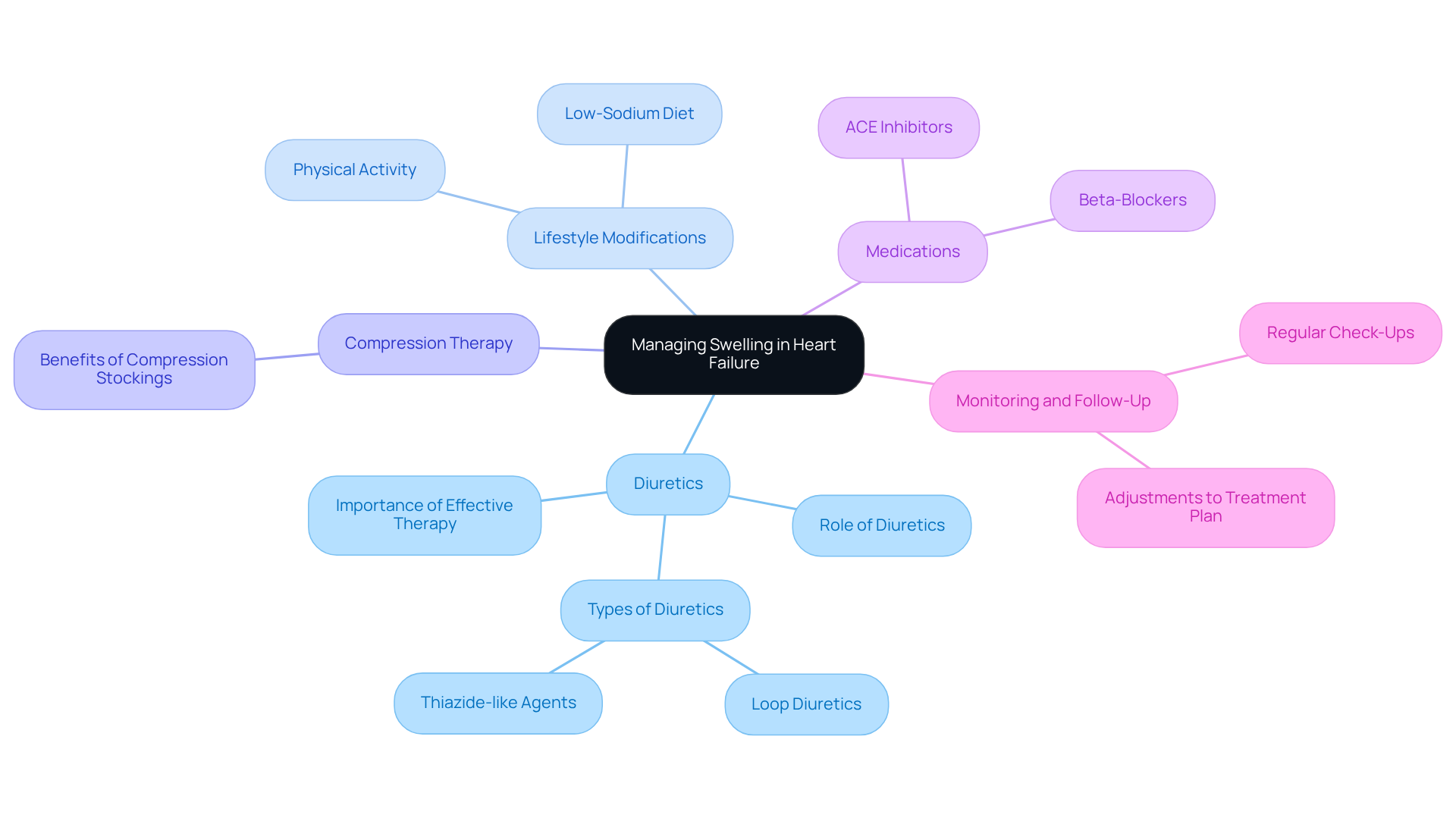
The central node represents the main topic, while each branch shows a different treatment option. Follow the branches to explore specific strategies and their benefits.

Conclusion

Left arm swelling can be a concerning symptom for those dealing with heart failure, and it’s important not to overlook it. Understanding what causes this swelling, recognizing the symptoms, and knowing how to manage it can significantly improve health outcomes. This article has highlighted the connection between heart failure and left arm swelling, focusing on how fluid retention, venous congestion, and lymphatic obstruction can all play a role.

Have you noticed symptoms like shortness of breath, fatigue, or swelling? These can be signs that heart function is worsening, and it’s crucial to pay attention to them. Diagnostic procedures such as:

  1. Physical exams
  2. Blood tests
  3. Echocardiograms

are vital for an accurate assessment and timely intervention. Furthermore, treatment strategies - including:

  • Diuretics
  • Lifestyle changes
  • Regular monitoring

are essential in managing swelling and enhancing the quality of life for those affected by heart failure.

By understanding and addressing left arm swelling, you can take steps toward better health management and improved daily living. If you’re experiencing these symptoms, please don’t hesitate to seek medical advice. Consider making lifestyle changes that support your heart health. Remember, prioritizing awareness and proactive care can help you navigate the challenges of heart failure with greater confidence and support.

Frequently Asked Questions

What is heart failure?

Heart failure, also known as cardiac insufficiency, is a long-term condition where the heart struggles to circulate blood effectively, resulting in insufficient blood flow to meet the body's needs.

How common is heart failure in the United States?

Approximately 6.7 million adults in the United States are affected by heart failure, with about one-third of them at risk of developing the condition.

What are the common symptoms of heart failure?

Common symptoms of heart failure include shortness of breath (especially during physical activity or while lying down), persistent fatigue, swelling (edema) in the left arm, legs, and ankles, rapid or irregular pulse, and coughing or wheezing due to fluid buildup in the lungs.

Why is it important to recognize the symptoms of heart failure?

Recognizing the symptoms of heart failure is essential for early intervention and effective management, which can lead to better patient outcomes and improved quality of life.

Who is at higher risk for heart failure?

Individuals with prediabetes and hypertension are at a notably higher risk for cardiac issues, especially if they show signs of subclinical myocardial damage or stress.

How much more likely are adults with prediabetes to experience cardiovascular collapse?

Adults with both prediabetes and elevated indicators for cardiac damage are ten times more likely to experience cardiovascular collapse compared to those without prediabetes.

What role do regular blood tests play in heart failure prevention?

Regular blood tests can help identify at-risk individuals and implement preventive care strategies to manage heart health effectively.

How can seeking help affect individuals with heart failure?

Seeking help and support can make a significant difference in managing heart failure and improving overall quality of life.

List of Sources

  1. Define Heart Failure and Its Symptoms
    • New Study Offers Strong Evidence of Elevated Heart Failure Risk in Adults with Prediabetes, Hypertension and Subclinical Heart Injury or Stress (https://hopkinsmedicine.org/news/newsroom/news-releases/2026/03/new-study-offers-strong-evidence-of-elevated-heart-failure-risk-in-adults-with-prediabetes-hypertension-and-subclinical-heart-injury-or-stress)
    • NYU Langone Heart Cardiologists Present Latest Clinical Findings & Research at ACC.2026 (https://nyulangone.org/news/nyu-langone-heart-cardiologists-present-latest-clinical-findings-research-acc2026)
    • Clinical trial offers first-of-its-kind heart failure treatment (https://health.ucdavis.edu/news/headlines/clinical-trial-offers-first-of-its-kind-heart-failure-treatment/2026/02)
    • WebMD Heart Failure News Library (https://webmd.com/heart-disease/heart-failure/news-features)
    • Heart failure (https://heart.org/en/news/tag-heart-failure-news)
  2. Outline Diagnostic Procedures for Heart Failure-Related Swelling
    • Quotes about Cardiac Diagnosis (https://quote.org/topics/cardiac_diagnosis)
    • Heart Failure Society of America (HFSA) Scientific Statement: Update on Device Based Therapies in Heart Failure (https://hfsa.org/hf-stats-2025-heart-failure-epidemiology-and-outcomes-statistics)
    • New treatment pathways for patients with advanced heart failure - Mayo Clinic (https://mayoclinic.org/medical-professionals/cardiovascular-diseases/news/new-treatment-pathways-for-patients-with-advanced-heart-failure/mac-20585947)
    • 125 Sayings And Quotes About Heart Disease (https://parade.com/1187612/michelle-parkerton/quotes-about-heart-disease)
    • Clinical trial offers first-of-its-kind heart failure treatment (https://health.ucdavis.edu/news/headlines/clinical-trial-offers-first-of-its-kind-heart-failure-treatment/2026/02)
  3. Detail Treatment Options for Managing Swelling in Heart Failure
    • Clinical trial offers first-of-its-kind heart failure treatment (https://health.ucdavis.edu/news/headlines/clinical-trial-offers-first-of-its-kind-heart-failure-treatment/2026/02)
    • New treatment pathways for patients with advanced heart failure - Mayo Clinic (https://mayoclinic.org/medical-professionals/cardiovascular-diseases/news/new-treatment-pathways-for-patients-with-advanced-heart-failure/mac-20585947)
    • Diuretic Therapy for Patients With Heart Failure: JACC State-of-the-Art Review (https://sciencedirect.com/science/article/pii/S0735109720301947)
    • FDA approves subcutaneous diuretic treatment for heart failure-related edema (https://cardiovascularbusiness.com/topics/clinical/heart-failure/fda-approves-subcutaneous-diuretic-treatment-heart-failure-related-edema)
    • Nasal spray version of common diuretic has potential to help treat heart failure (https://sciencedaily.com/releases/2024/11/241118130226.htm)
Author: amavita Heart and Vascular Health® Content Team