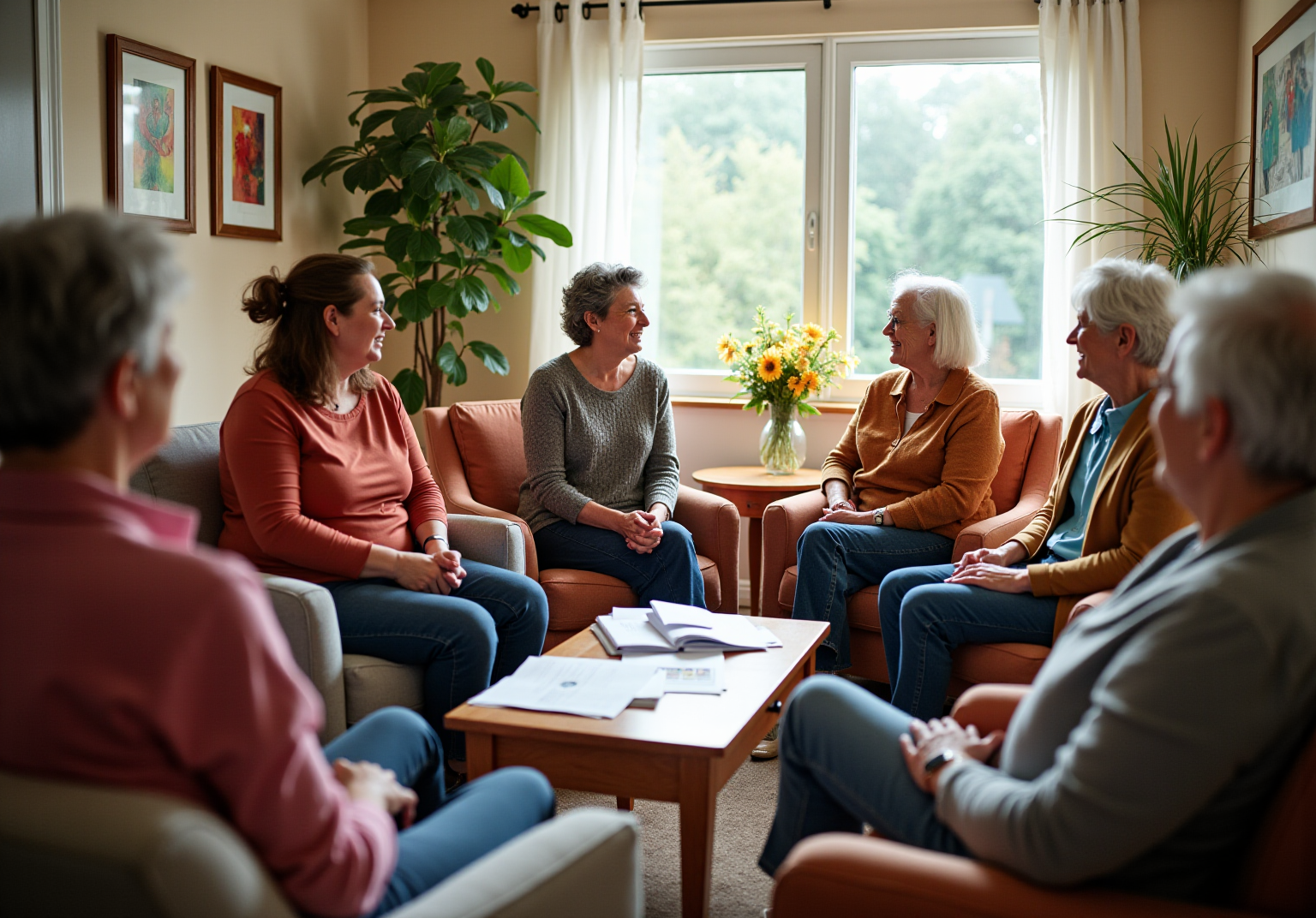


Open heart surgery can feel overwhelming, often leaving patients grappling with feelings of isolation and vulnerability during such a critical time. It’s completely natural to have concerns about what lies ahead. However, there’s a silver lining: open heart surgery support groups. These groups provide a nurturing environment where individuals can share their journeys, gain emotional support, and learn practical strategies for recovery.
Imagine being surrounded by others who truly understand what you’re going through. Connecting with those who have faced similar challenges can significantly enhance your healing and emotional well-being. How might sharing your experiences with others transform your recovery journey? These connections can foster resilience and provide a sense of community in the face of adversity.
If you’re feeling hesitant or anxious about your health, remember that you’re not alone. Seeking support from others can be a powerful step towards healing. Embrace the opportunity to connect, share, and grow together in this journey.
Open heart surgery support groups are organized gatherings where individuals preparing for or recovering from open heart surgery can come together to share their experiences, challenges, and successes. These meetings create a safe space for patients to connect with others who truly understand their journey, fostering a sense of community and belonging. Often led by healthcare specialists or peer volunteers who have faced similar surgeries, these networks provide both emotional and practical support tailored to each participant's unique needs.
The primary goal of these organizations is to enhance healing by offering emotional support, sharing coping strategies, and providing information about the surgical process and recovery expectations. Have you ever felt alone in your health journey? Research indicates that those who engage in assistance networks frequently report improved emotional well-being and a stronger commitment to making lifestyle changes - both crucial for long-term recovery.
As Dr. Jonathan Norton, an interventional cardiologist, points out, connecting with fellow survivors not only validates their experiences but also inspires them to strive for better health outcomes, both physically and mentally. Furthermore, these networks play a vital role in alleviating feelings of loneliness, helping individuals manage their health challenges more effectively.
Overall, open heart surgery support group networks empower individuals to thrive on their healing journeys. If you or someone you know is preparing for surgery, consider reaching out to one of these networks. You’re not alone, and there’s a community ready to support you.
Support networks, such as an open heart surgery support group, play a crucial role in the healing journey for those who have undergone open heart surgery, particularly for older adults. The open heart surgery support group provides a safe haven where participants can share their fears, anxieties, and triumphs, fostering a sense of community. Research shows that seniors often feel more isolated after surgery, which can heighten emotional distress and slow down recovery. Social isolation is linked to increased risks of depression and anxiety in older adults, highlighting just how vital these support networks are.
By connecting with others who have similar experiences, individuals can develop coping strategies and gain insights into their healing process. This shared learning not only eases feelings of loneliness but also encourages adherence to post-operative care plans, leading to improved health outcomes. Healthcare professionals emphasize the significant emotional benefits of these gatherings; they provide comfort and affirmation, essential components for emotional recovery. As one expert noted, the power of healing together can greatly enhance the recovery journey, which is why the open heart surgery support group is an invaluable resource for elderly heart surgery patients.
Additionally, Amavita's CardioElite™ program further enriches this recovery process by offering comprehensive cardiovascular management that combines advanced diagnostic data with 24/7 cardiology consultation. This proactive approach not only boosts the emotional well-being of patients but also enhances the clinical aspects of their care, ultimately reducing readmission rates. This underscores the vital support that networks like Mended Hearts offer to elderly heart surgery patients, complemented by the innovative care provided through Amavita's CardioElite™ program.

Effective open heart surgery support groups often share several key features that can significantly enhance the experience for participants:
Facilitated Discussions: Groups led by trained facilitators or healthcare professionals provide structured guidance, ensuring that discussions stay focused and productive. Research shows that structured discussions can lead to improved engagement and satisfaction, with 91% of support group members finding the program completely acceptable. Isn’t it comforting to know that there’s a framework in place to help you feel heard?
Peer Support: Members who have walked similar paths offer empathy and understanding, creating a sense of camaraderie. This peer connection is vital, as it allows individuals to share their journeys and coping strategies, which can be especially reassuring during the healing process. Have you ever felt the relief of talking to someone who truly understands?
Educational Resources: Providing information about recovery processes, lifestyle changes, and coping strategies empowers participants to take charge of their health. Educational sessions can cover essential topics like pain management and emotional well-being, crucial for post-operative healing. With up to 30% of patients experiencing lasting pain a year after surgery, these groups play a key role in addressing ongoing challenges. Knowledge is power, and you deserve to feel informed and supported.
Regular Meetings: Consistent gatherings nurture ongoing relationships and support, which are essential for long-term recovery. Monthly meetings, for instance, allow participants to reconnect and share updates on their progress, strengthening their network of support. Isn’t it nice to know you’re not alone on this journey?
Inclusivity: Groups that welcome diverse backgrounds and experiences create a richer environment, allowing for varied perspectives and shared learning. This inclusivity can enhance the overall effectiveness of the group, as members learn from each other’s unique insights. Everyone’s story matters, and together, we can grow stronger.
Facilitated discussions, in particular, have been shown to improve the efficiency of the open heart surgery support group. Facilitators often highlight the importance of structured discussions, stating that they help maintain focus and ensure that all voices are heard. This approach not only enhances the quality of interactions but also encourages deeper engagement with the material and with one another. Furthermore, there’s a pressing need for more resilient, individual-focused research and specialized nursing investment to improve outcomes for those recovering from open heart surgery. Remember, you’re not just a patient; you’re part of a community that cares.

Participating in an open heart surgery support group can truly enhance your healing journey. Here are some of the key benefits you might find:
Emotional Support: Sharing your feelings and experiences with others can help ease loneliness and anxiety. Studies show that having strong social support can lead to quicker healing and lower risks of complications related to heart issues. This highlights just how important emotional connections are during recovery.
Practical Advice: You can exchange valuable tips on managing post-surgery challenges, like pain relief and lifestyle changes. This shared knowledge can be crucial in navigating the complexities of your recovery.
Enhanced Motivation: Hearing success stories from fellow patients can inspire you to stay committed to your healing goals. The encouragement from peers fosters a sense of accountability and determination.
Improved Quality of Life: Connecting with others who understand your journey can lead to a brighter outlook and better overall well-being. The open heart surgery support group offers psychosocial support that can be life-changing, helping you cope with the emotional aftermath of surgery.
Access to Resources: Support networks often share information about additional resources, such as rehabilitation programs and educational materials, which can further aid your healing process.
Overall, the shared experiences and knowledge within these communities can empower you to manage your recovery more effectively. As Chaz, a patient, beautifully expressed, "Your idea of building a 'support group' was the single-most important part of approaching each step in the heart surgery process, positively."
If you’re feeling uncertain or anxious about your journey, reaching out for support can make all the difference.

Open heart surgery support groups are essential lifelines for those navigating the challenges of their surgical journeys. These groups create a nurturing community where individuals can share their experiences, fostering understanding and emotional support that significantly enhances recovery.
The importance of these support networks cannot be overstated. They offer structured discussions, peer support, and valuable educational resources that contribute to emotional well-being and effective recovery. Insights from healthcare professionals highlight how social connections positively impact healing, especially for older adults who may feel isolated during this time.
Engaging with an open heart surgery support group can truly transform the recovery experience. It provides not just emotional comfort but also practical strategies for overcoming post-operative challenges. If you or a loved one is preparing for or recovering from heart surgery, reaching out to these supportive communities can be a crucial step towards a healthier, more resilient future. Embracing the power of shared experiences can lead to profound healing and a renewed commitment to your health journey.
What are open heart surgery support groups?
Open heart surgery support groups are organized gatherings where individuals preparing for or recovering from open heart surgery can share their experiences, challenges, and successes in a safe environment.
Who typically leads open heart surgery support groups?
These groups are often led by healthcare specialists or peer volunteers who have undergone similar surgeries.
What is the primary goal of open heart surgery support groups?
The primary goal is to enhance healing by providing emotional support, sharing coping strategies, and offering information about the surgical process and recovery expectations.
How can participating in a support group benefit individuals?
Research indicates that individuals who engage in support networks often report improved emotional well-being and a stronger commitment to making lifestyle changes, both of which are crucial for long-term recovery.
What impact do support groups have on feelings of loneliness?
Support groups help alleviate feelings of loneliness and enable individuals to manage their health challenges more effectively.
Why is connecting with fellow survivors important according to Dr. Jonathan Norton?
Connecting with fellow survivors validates their experiences and inspires them to strive for better health outcomes, both physically and mentally.
How can someone find an open heart surgery support group?
Individuals preparing for surgery can reach out to local healthcare providers or search online for support networks in their area.