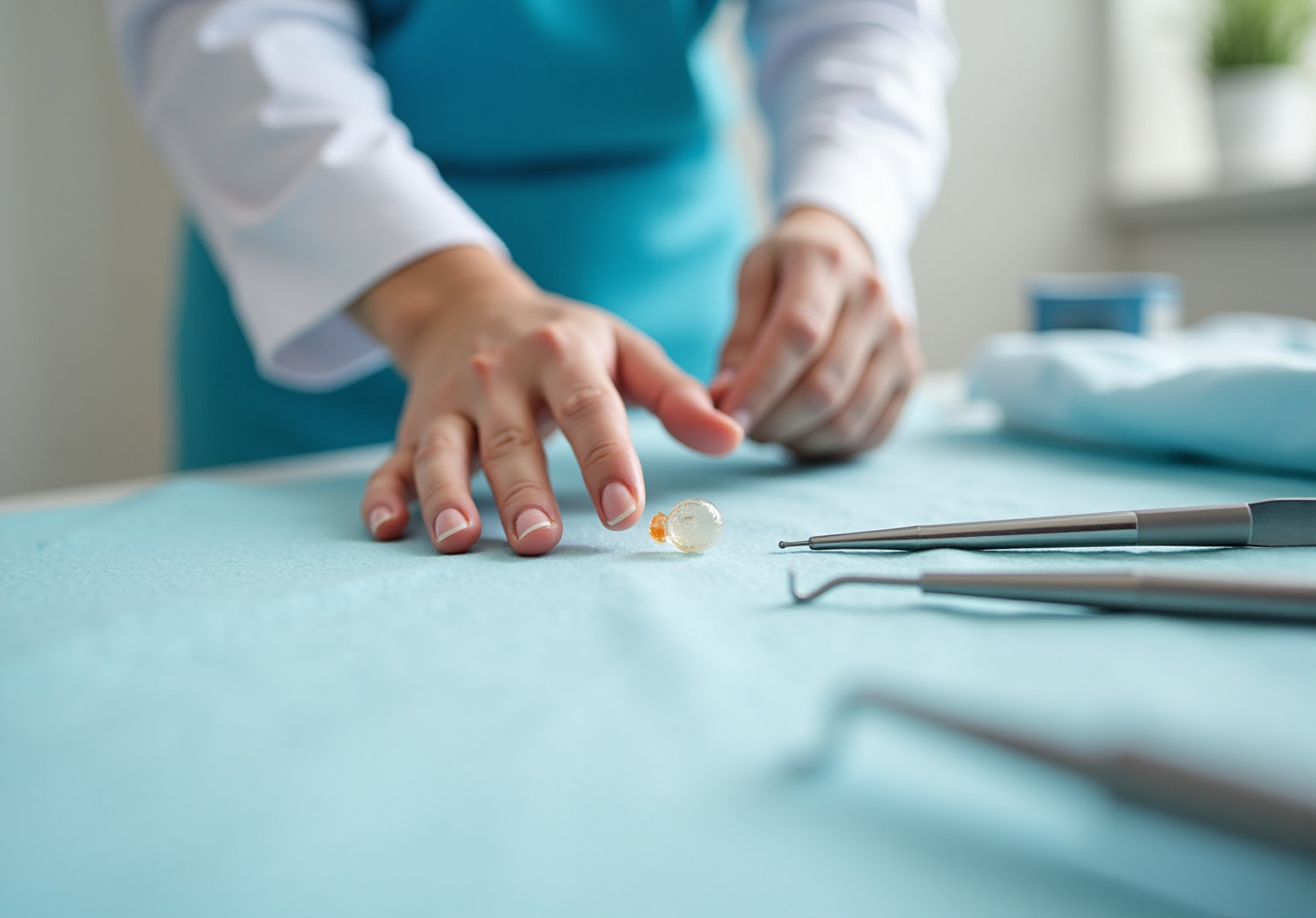


Hormonal imbalances can deeply affect a man's quality of life, often leading to fatigue, mood swings, and a decrease in libido. As more men become aware of bioidentical hormone therapy, it’s essential to understand the nuances of hormone pellet removal - a vital part of this treatment. This article explores the reasons for pellet removal, the procedure itself, and important post-care instructions. We aim to address the pressing questions many men have about their hormonal health.
What challenges might arise during this journey? How can you ensure a smooth transition back to feeling your best? Rest assured, you’re not alone in this. We’re here to support you every step of the way.
Are you feeling fatigued, experiencing mood swings, or noticing a decrease in your libido? These symptoms can often be linked to , especially as we age. offers a compassionate solution to help restore balance and improve your .
This treatment, which involves for men, includes placing small, rice-sized inserts beneath the skin that contain hormones like . These capsules facilitate by releasing hormones steadily over time, typically lasting between three to six months. By providing a consistent , this treatment aims to alleviate those uncomfortable symptoms and help you feel more like yourself again.
Imagine waking up each day with . This is the goal of - to enhance your overall well-being and vitality. If you’re curious about how this treatment could benefit you, don’t hesitate to reach out for more information. We’re here to support you every step of the way.
Hormone implant removal may be necessary for several reasons, and it’s important to understand these concerns.
Your health and well-being are paramount, and is a positive step forward. Don’t hesitate to reach out to your healthcare team; they’re here to help you through this process.
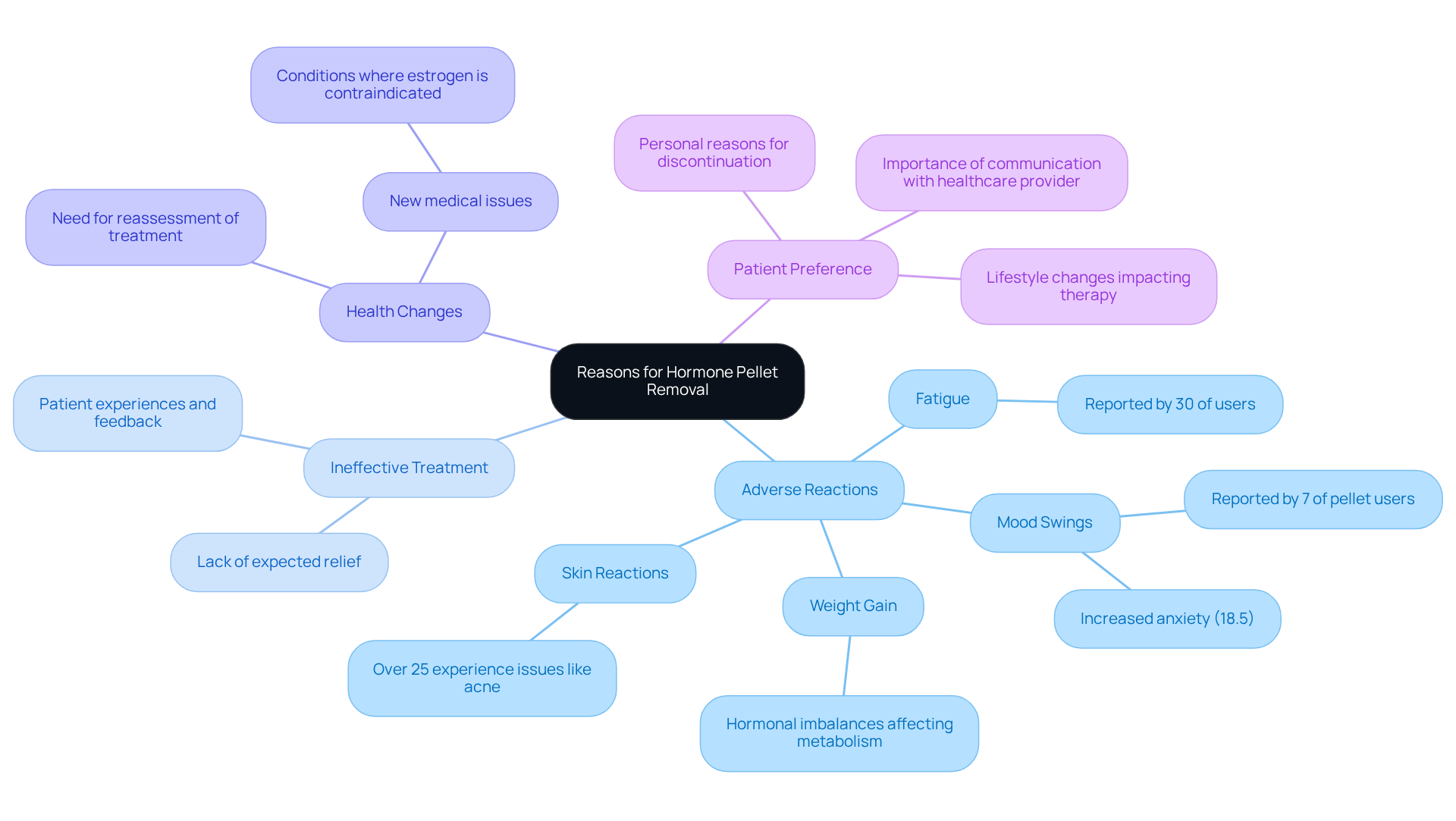
At Amavita, we understand that health procedures can be daunting, which is why our is designed to be efficient and , ensuring your comfort every step of the way.
Preparation: You’ll be comfortably positioned, and we’ll take great care to clean and sterilize the area around the insertion site thoroughly. This helps prevent any risk of infection, allowing you to feel at ease.
Anesthesia: To ensure your comfort, a . Our goal is to make sure you experience minimal discomfort throughout the procedure.
Incision: A small incision, typically about 5-10 mm, is made at the site where the pellet was originally inserted. This small step is crucial for the next part of the process.
Removal: Using specialized tools, we gently extract the small sphere. If you have multiple pellets, don’t worry; they can often be removed in the same session, making the process even more efficient.
Closure: After the removal, we’ll secure the incision with steri-strips or a small bandage. You’ll receive to ensure a smooth recovery.
The entire process is quick, usually taking less than 30 minutes. have significantly enhanced comfort and recovery times. Dr. Erika Schwartz emphasizes that "the latest techniques reduce discomfort and improve recovery, enabling individuals to return to their daily activities quickly."
Many individuals report , and studies show that over 90% experience minimal discomfort and a swift return to their regular activities after the procedure. Real-world experiences highlight how much patients appreciate the efficiency and effectiveness of the removal process, often noting a .
Furthermore, Dr. JoAnn Pinkerton reassures us, " is paramount, and the advancements in our techniques have made this procedure safer and more effective than ever." If you have any concerns or questions, please don’t hesitate to reach out. We’re here to support you every step of the way.
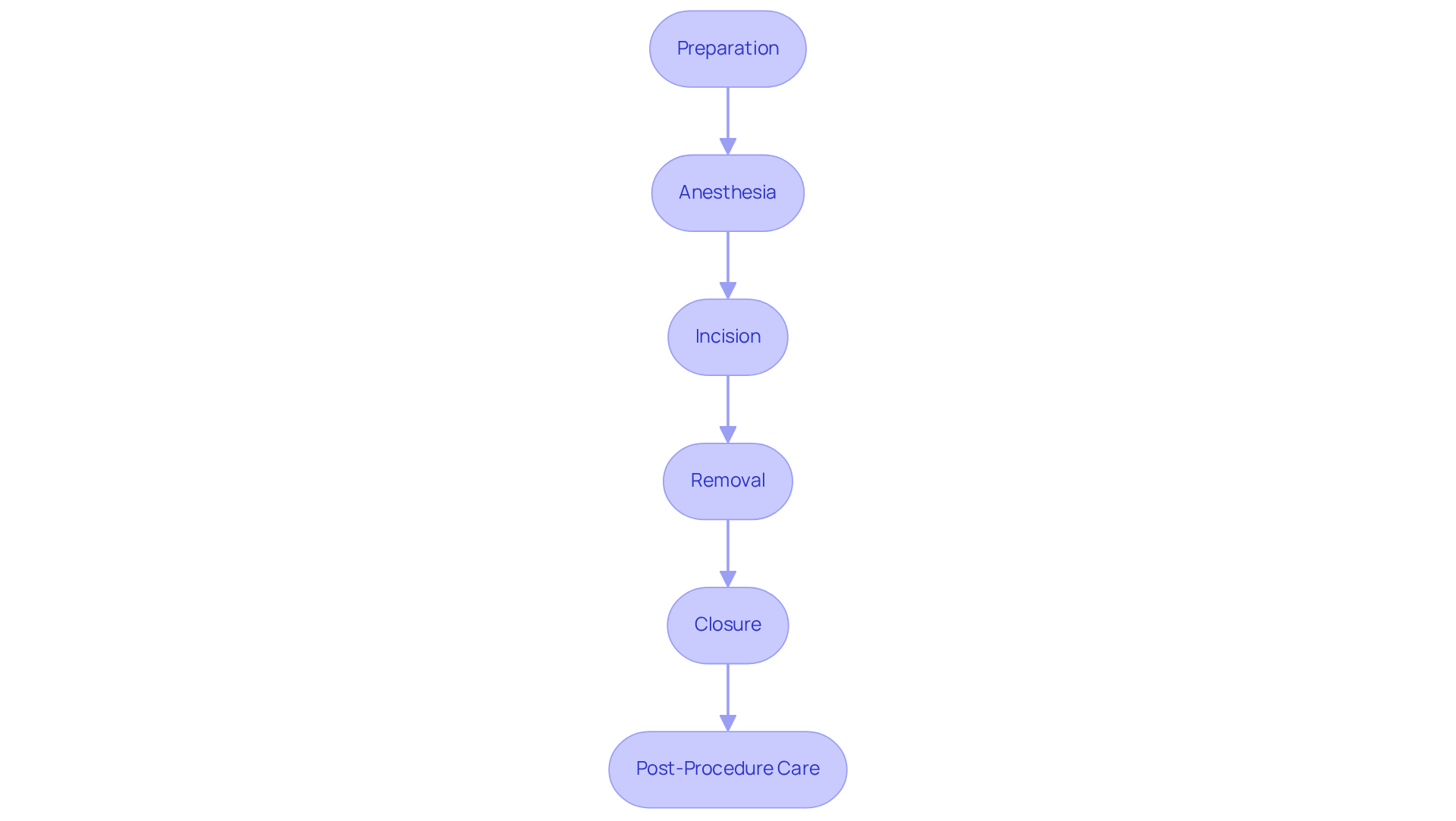
After hormone pellet removal, it’s important to follow some caring instructions to help you heal and minimize any complications you might face:
In addition to these instructions, it’s essential to keep the incision dry for the first 24 hours and to avoid soaking in tubs or pools for at least three days. After the first 24 hours, please leave the incision open to air at night. You should until they begin to curl at the edges, which typically happens around 5-7 days post-removal. A dry dressing with antibiotic ointment may be applied during the day to protect the incision. Following these guidelines can significantly enhance your recovery after and reduce the risk of complications. Remember, we’re here to support you every step of the way.
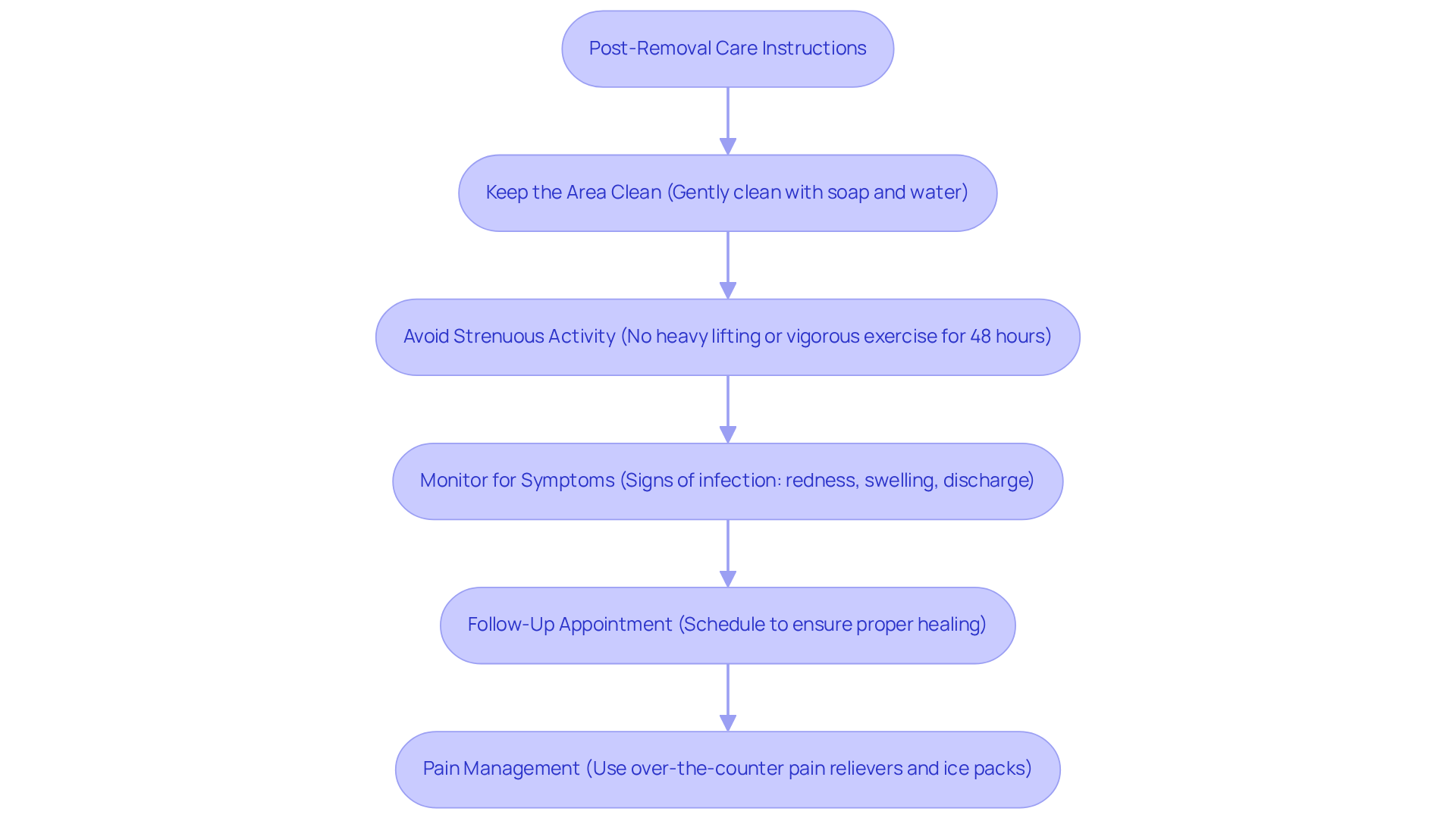
Understanding hormone pellet removal is essential for men who want to manage their health effectively. This procedure not only addresses potential adverse reactions and ineffective treatments but also highlights the importance of patient preference and ongoing communication with healthcare providers. By focusing on these aspects, you can make informed decisions about your hormonal health.
Throughout this article, we’ve outlined the reasons for hormone pellet removal, including possible side effects, health changes, and personal choices that may lead to this decision. The procedure itself is minimally invasive, and we take great care to ensure your comfort throughout the process. Additionally, we provide clear post-removal care instructions to support a smooth recovery and minimize complications.
Ultimately, being aware of hormone pellet therapy and its removal process can empower you to take charge of your health. Engaging in open discussions with your healthcare professionals and following post-procedure guidelines can significantly enhance your recovery and overall well-being. By taking these proactive steps, you can lead a more balanced and fulfilling life, reinforcing the importance of managing your hormone health.
What is hormone pellet therapy?
Hormone pellet therapy is a treatment that involves placing small, rice-sized inserts beneath the skin that contain bioidentical hormones like testosterone or estrogen.
What symptoms can hormone pellet therapy help alleviate?
This therapy can help alleviate symptoms linked to hormonal imbalances, such as fatigue, mood swings, and decreased libido.
How do hormone pellets work?
The pellets release hormones steadily over time, typically lasting between three to six months, providing a consistent hormone level to help restore balance.
What is the purpose of hormone pellet therapy?
The purpose of hormone pellet therapy is to restore hormonal balance, improve quality of life, and enhance overall well-being and vitality.
How long does the effect of hormone pellet therapy last?
The effects of hormone pellet therapy typically last between three to six months before the pellets need to be replaced.
Who can benefit from hormone pellet therapy?
Individuals experiencing symptoms of hormonal imbalances, especially as they age, may benefit from hormone pellet therapy.