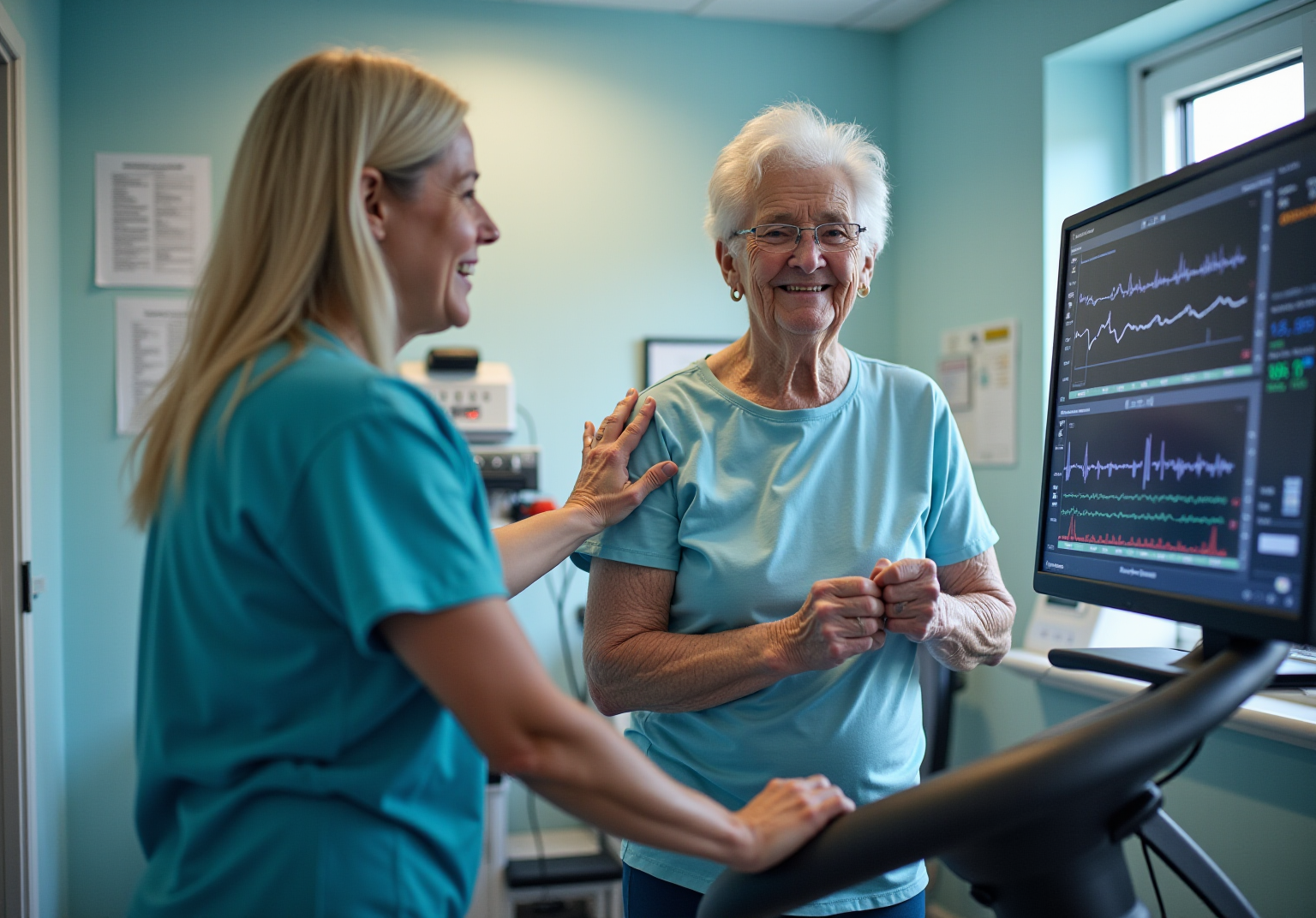


Understanding cardiovascular health is essential, especially for our elderly loved ones, who face a higher risk of conditions like coronary artery disease. Stress tests are crucial in evaluating heart function during physical activity, offering valuable insights that can help tailor treatment plans to individual needs. However, introducing contrast agents in these tests brings up important questions about safety and diagnostic accuracy.
How can elderly patients navigate the complexities of stress tests with contrast to ensure the best possible heart health outcomes? It's natural to feel uncertain about these procedures, but rest assured, there are ways to approach them with confidence and care. By seeking guidance and support, patients can take proactive steps towards understanding their heart health.
Stress tests are vital diagnostic procedures that help us understand how well the heart functions under physical strain, often triggered by exercise or medication. They primarily assess blood flow to the heart muscle, identify rhythm irregularities, and detect potential coronary artery disease. For older patients, these assessments are particularly important, as they reveal how well the heart can handle increased demands. This insight is crucial for tailoring treatment plans and interventions.
The prevalence of coronary artery disease is notably high among older adults, making early detection and intervention essential. Stress tests not only aid in diagnosing coronary artery disease but also provide valuable information about the effectiveness of current treatments and whether adjustments are needed. For instance, research has shown that these evaluations significantly improve health outcomes in older adults by enabling timely interventions and personalized care strategies.
There is a growing recognition of these evaluations in geriatric care. They note that stress tests can reveal critical insights into an individual's physical capabilities during daily activities, which helps in developing treatment plans that prioritize autonomy and quality of life. As one specialist shared, "In elderly individuals, stress tests can inform doctors significantly about their clients' physical capabilities in everyday activities, assisting in customizing treatment to enhance a person's autonomy and quality of life." This patient-centered approach is vital in addressing the unique needs of older adults, ensuring they receive the most suitable care for their cardiovascular health.
Moreover, education is essential, as it empowers individuals to understand the implications of their treatment options. It's reassuring to know that stress tests are generally safe for elderly individuals when performed by a skilled medical team, providing comfort to both patients and caregivers. With advanced diagnostic tools like CardioElite™, healthcare facilities can elevate their cardio standards, ultimately reducing hospital readmissions and improving patient outcomes.
If you or a loved one are concerned about heart health, don’t hesitate to reach out for support. Your well-being is our priority, and we’re here to help you navigate your health journey with care and compassion.

When it comes to a stress test, contrast agents are truly essential. They enhance the visibility of the heart's structures and blood flow during imaging studies, making a significant difference in the quality of cardiovascular assessments. This improvement is especially important for older individuals who might face challenges like obesity or lung disease, which can affect the clarity of these images.
Have you ever wondered how much a clearer image can impact your health? Studies show that using contrast can boost diagnostic accuracy. This is particularly crucial for identifying conditions like ischemia or blockages in coronary arteries - issues that can lead to serious complications.
At Amavita, we’re committed to using technologies that not only enhance image clarity but also help reduce emergency transfers and hospitalizations. This means better outcomes for you and your loved ones. Radiologists have observed that a contrast-enhanced stress test allows for a more thorough evaluation of cardiac function, making it an invaluable resource in managing heart health.
We understand that health concerns can be daunting, but rest assured, you’re not alone in this journey. Our team is here to support you every step of the way.
At Amavita Heart and Vascular Health, we understand that undergoing a stress test can be a source of anxiety, especially for our elderly patients. That’s why we’ve designed a procedure that prioritizes your safety and comfort, guiding you through each step with care.
Preparation: Before your assessment, it’s important to avoid caffeine for at least 24 hours and to refrain from certain medications that could affect the results. We recommend fasting for a minimum of 4 hours prior to your test to ensure the most accurate outcomes. Wearing comfortable clothing for exercise will help you move easily during the assessment.
Baseline Measurements: To start, our healthcare providers will take your heart rate, blood pressure, and ECG readings. This establishes a reference point, allowing us to monitor your cardiovascular function throughout the procedure.
Inducing Stress: We’ll gently induce stress through physical activity, typically lasting about 10 to 15 minutes. For those who may find exercise challenging, we can use a medication to simulate the stress response. This ensures that your heart is adequately evaluated during a stress test.
During the procedure, we’ll inject a contrast agent intravenously at the peak of the stress phase. This enhances the quality of the imaging during a stress test, allowing us to see more clearly. This step is particularly important for individuals with conditions like diabetes or hypertension.
Imaging: After the stress phase, we’ll conduct imaging to assess your [blood circulation and heart function](https://amavita.health/blog/10-foods-to-avoid-with-pad-for-better-vascular-health). This part of the process usually takes about 20 minutes and is crucial for identifying any potential issues, reflecting our commitment to thorough evaluations.
Recovery: Once the test is complete, we’ll monitor you to ensure your pulse rate and blood pressure stabilize. This recovery phase is vital for understanding how your heart responds after exercise, ensuring your safety and comfort. At Amavita, we focus on personalized care, tailoring treatment plans to fit your unique condition, lifestyle, and goals.
This organized approach not only enhances the accuracy of your assessment but also caters specifically to the needs of older individuals, ensuring a comfortable and informative experience. Our healthcare professionals emphasize the importance of proper preparation and monitoring throughout the process, aiming to optimize your outcomes and alleviate any anxiety you may feel.

While stress tests with contrast are generally safe, it’s important for elderly patients to be aware of several key risks and safety considerations:
By understanding these risks, elderly patients can engage in discussions with their healthcare providers. This ensures they receive the safest and most effective care tailored to their individual needs. Remember, your health and comfort are our top priorities.

Stress tests with contrast are vital diagnostic tools that offer invaluable insights into the cardiovascular health of elderly patients. By evaluating how the heart performs under stress, these tests help identify potential issues like coronary artery disease and guide personalized treatment strategies. Understanding the significance of these assessments is essential for older adults and their caregivers, ensuring they feel equipped to make informed decisions about their heart health.
The importance of stress tests in detecting cardiovascular conditions cannot be overstated, especially for older adults who may face unique health challenges. Consider the role of contrast agents in enhancing imaging clarity, the structured procedure that prioritizes patient comfort and safety, and the necessary precautions to mitigate potential risks. These insights highlight the need for a patient-centered approach that emphasizes shared decision-making and tailored care.
Ultimately, stress tests for elderly patients play a crucial role in early detection and intervention, empowering individuals to take charge of their health. Engaging in open conversations with healthcare providers about stress tests and their implications can lead to better health outcomes and improved quality of life. Prioritizing cardiovascular health through informed choices is a vital step toward ensuring a healthier future for older adults.
What are stress tests and their purpose in cardiovascular health?
Stress tests are diagnostic procedures that evaluate how well the heart functions under physical strain, typically induced by exercise or medication. They assess blood flow to the heart muscle, identify rhythm irregularities, and detect potential coronary artery disease (CAD).
Why are stress evaluations particularly important for older patients?
Stress evaluations are crucial for older patients as they reveal how well the heart can handle increased demands, which is essential for tailoring treatment strategies and monitoring overall cardiovascular health.
How do stress evaluations aid in the diagnosis of coronary artery disease (CAD)?
Stress evaluations help diagnose CAD by providing valuable information about blood flow and heart function, allowing for early detection and intervention, which is especially important given the high prevalence of CAD among older adults.
What benefits do stress tests provide for older adults regarding heart health outcomes?
Research indicates that stress evaluations significantly improve heart health outcomes in older adults by enabling timely interventions and personalized care strategies.
How do stress evaluations contribute to geriatric care?
Stress evaluations provide critical insights into an individual's physical capabilities during daily activities, which helps develop treatment plans that prioritize autonomy and quality of life for older adults.
What role does shared decision-making play in stress evaluations?
Shared decision-making empowers individuals to understand the implications of their treatment options, enhancing patient involvement in their care.
Are stress evaluations safe for elderly individuals?
Yes, stress evaluations are generally safe for elderly individuals when performed by a skilled medical team, providing reassurance to both patients and caregivers.
What advanced tools can enhance cardiovascular care during stress evaluations?
Advanced diagnostic tools like CardioElite™ can elevate cardiovascular care standards, helping to reduce hospital readmissions and improve patient outcomes.