


Understanding ischemic heart disease is crucial, especially for seniors who face heightened risks due to age-related factors and underlying health conditions. This article gently explores the four distinct stages of ischemic heart disease, offering insights into their characteristics and the implications for patient care. As seniors navigate these stages, recognizing symptoms early becomes essential, along with understanding the tailored treatment options available.
How can awareness of these stages empower older adults to take control of their heart health and enhance their quality of life? By fostering this understanding, we can help seniors feel more confident in managing their health and seeking the support they need.
In addition to this, being informed about the stages of ischemic heart disease can lead to better communication with healthcare providers, ensuring that seniors receive the compassionate care they deserve. Together, we can work towards improving heart health and overall well-being.
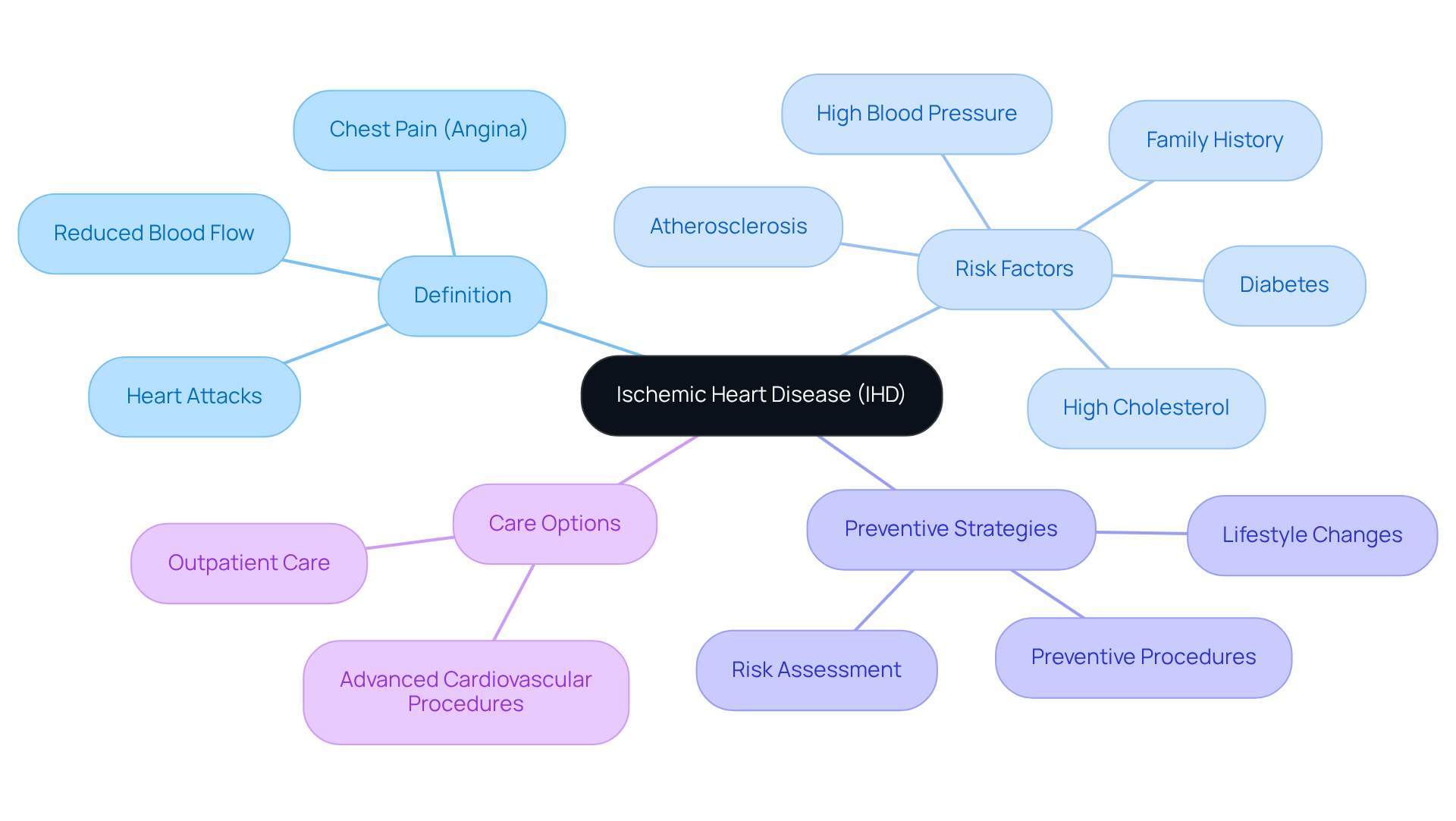
Ischemic cardiac disease (IHD), often known as (CAD), is a condition that can be concerning. It occurs when blood flow to the heart muscle is reduced due to narrowed or blocked coronary arteries. This can lead to chest pain, known as angina, and in more serious cases, .
Many seniors face this challenge, as age-related factors like atherosclerosis - the buildup of plaque in the arteries - along with family history, high blood pressure, high cholesterol, and diabetes, can significantly increase the risk. At Amavita Heart and Vascular Health®, we understand how important it is to address these issues.
Our approach to is designed with you in mind. We combine advanced risk assessment tools with personalized interventions, including lifestyle changes and preventive procedures tailored to your specific needs and goals. This proactive strategy is vital for seniors, as it can greatly influence your and overall quality of life.
Furthermore, we are committed to providing innovative outpatient care. This means you can undergo advanced cardiovascular procedures and return home on the same day, enhancing your experience and outcomes.
If you have concerns about your , we encourage you to reach out. Together, we can work towards a .
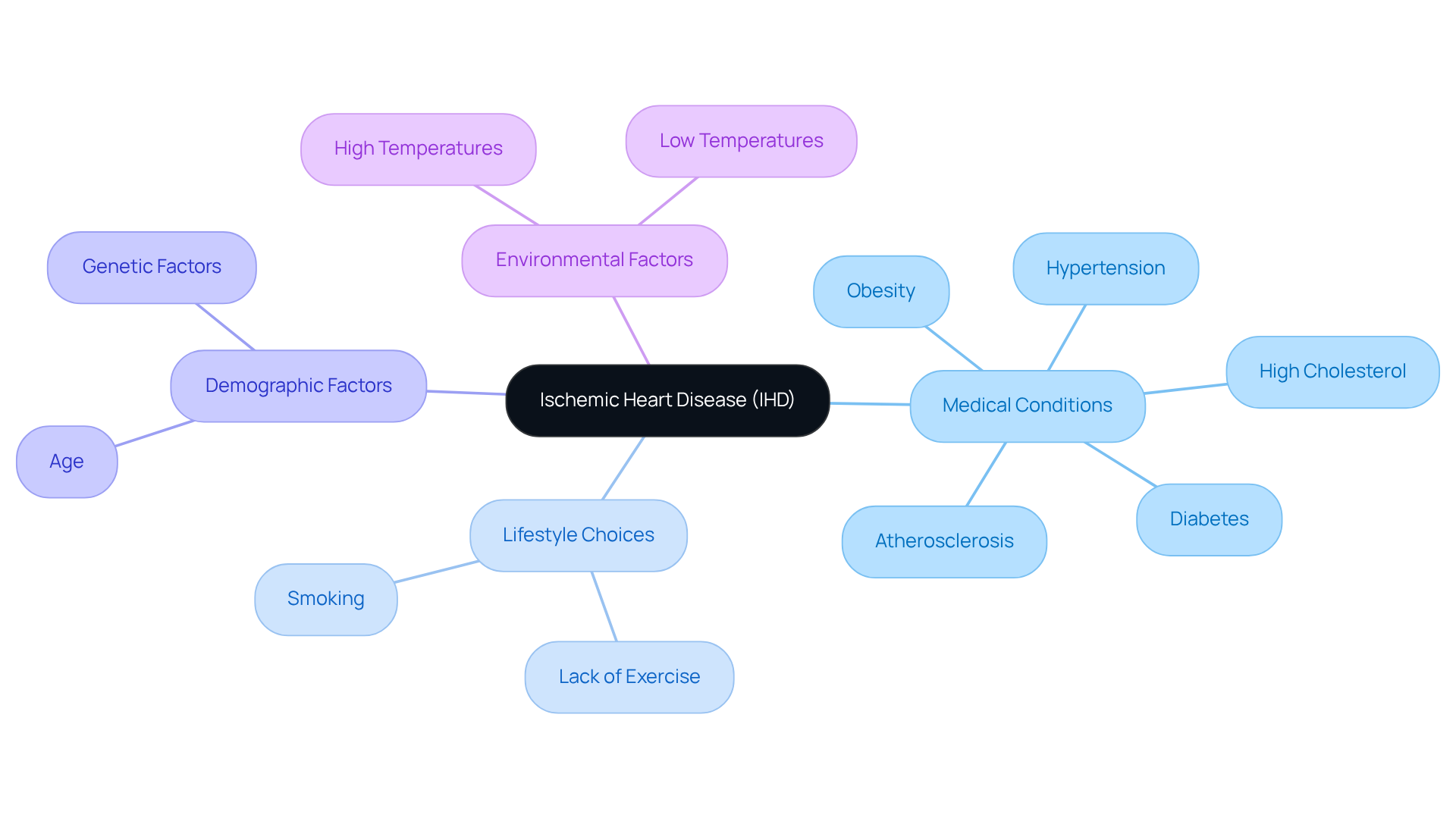
often stems from a mix of factors like atherosclerosis, hypertension, , diabetes, and . For older adults, the risk increases due to age-related changes in blood vessels and the presence of other health issues like obesity and metabolic syndrome. Did you know that nearly 70% of seniors experience hypertension? This highlights the importance of understanding these risks, especially since genetic factors can also play a significant role in developing IHD.
Recognizing these is vital for older adults and their caregivers. It empowers them to implement targeted prevention strategies and make lifestyle adjustments. Health professionals stress the importance of addressing these concerns. One expert beautifully stated, "the healing process demands more than science; it requires mobilizing patients' positive expectations and stimulating faith in physician's ministrations." This holistic approach can lead to and a more fulfilling life for seniors at risk of IHD.
At Amavita Vascular and Cardiac Health, we understand that - those with diabetes, hypertension, or a family history of heart issues - can greatly benefit from our . , with his Harvard training and extensive cardiovascular experience, ensures that these sophisticated tests are seamlessly integrated into your care plan. Our commitment to exceptional not only addresses common concerns but also enhances patient outcomes through personalized approaches and coordinated care.
As the population aged 60 and older is projected to reach 21.1% by 2050, addressing these becomes even more urgent. Additionally, the impact of high temperatures on IHD risk has been consistently rising, underscoring the . If you or a loved one are concerned about these risks, please reach out to us. We're here to support you every step of the way.
In the context of ischemic heart disease, it is important to understand what are the , as each stage has its own characteristics and implications for patient care, particularly for seniors who can greatly benefit from like Amavita's .
For older adults, understanding what are the is essential, as prompt intervention can significantly enhance outcomes. Cardiologists emphasize that recognizing these stages and their signs enables patients to seek help quickly, ultimately improving their cardiovascular health and longevity. With the support of Amavita's CardioElite™ program, seniors can embrace a comprehensive approach to managing their cardiovascular well-being.

The health consequences of can vary significantly depending on what are the . In the Asymptomatic Ischemia phase, many patients find that are often enough. This aligns beautifully with Amavita's Essential Program, which emphasizes preventive care tailored to individual needs.
When it comes to , treatment options may include medications like beta-blockers, along with lifestyle modifications to help manage symptoms. Amavita's Optimal Program complements this approach by offering comprehensive biomarker panels and quarterly consultations, ensuring that heart health is monitored effectively.
In the Un phase, patients may require more aggressive interventions, such as angioplasty or surgery, to restore blood flow. Amavita is here to support you with advanced imaging capabilities, ensuring that these interventions are seamlessly integrated into a comprehensive care plan.
Finally, during a , immediate medical attention is crucial. This often involves emergency interventions like thrombolysis or coronary artery bypass grafting. Understanding what are the can assist seniors and their families in navigating with confidence. It’s essential to take a proactive approach to heart health, and Amavita’s targeted cardiovascular care is designed specifically for high-risk patients, providing the support you need every step of the way.
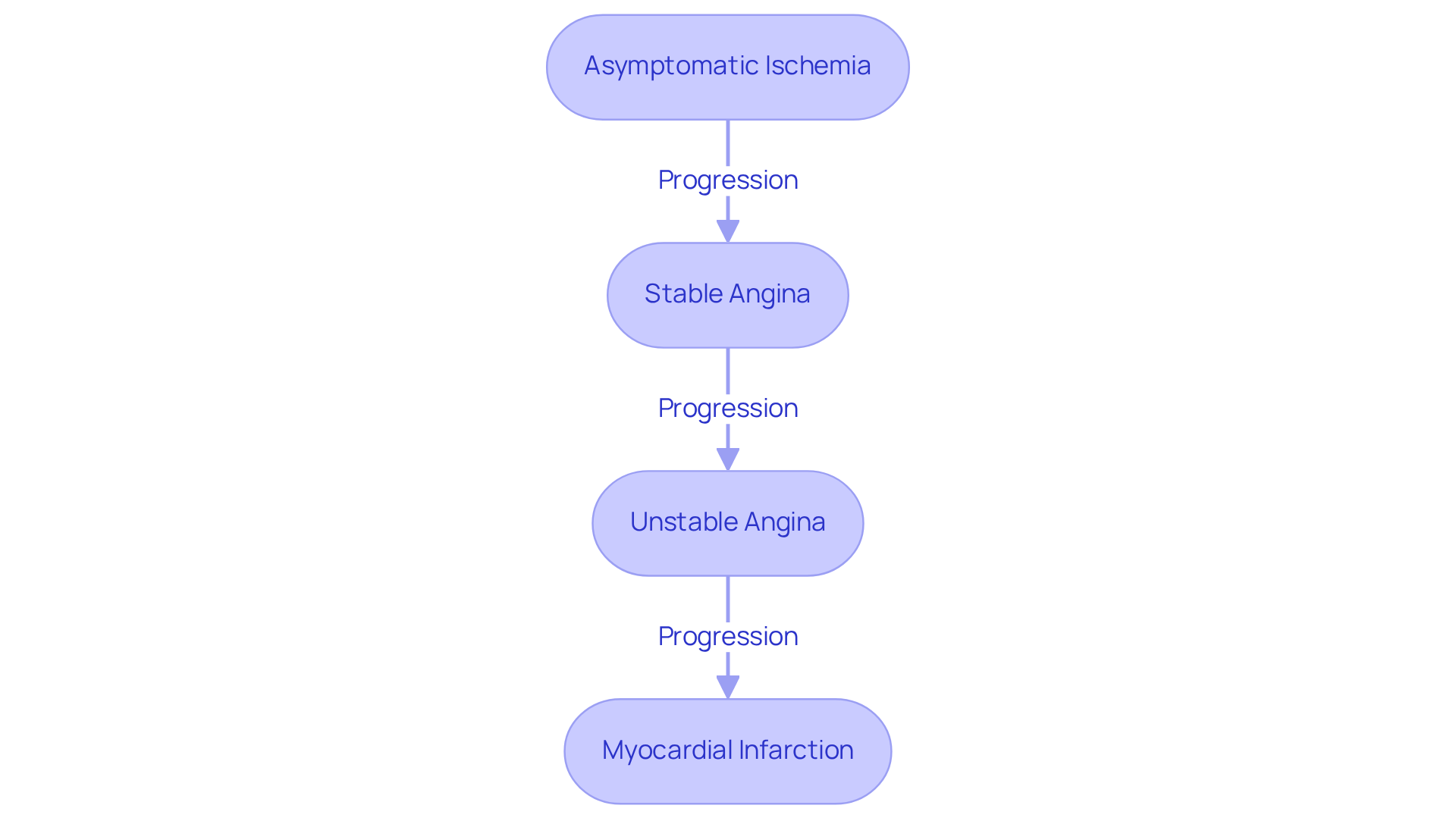
Understanding ischemic heart disease is crucial, especially for seniors who face unique health challenges. This condition, characterized by reduced blood flow to the heart due to narrowed arteries, can lead to serious complications if not addressed promptly. Recognizing the four stages of ischemic heart disease - Asymptomatic Ischemia, Stable Angina, Unstable Angina, and Myocardial Infarction - empowers individuals to seek timely intervention and manage their cardiovascular health effectively.
Have you considered how these stages might affect you or a loved one? Identifying risk factors such as hypertension, high cholesterol, and diabetes is essential, particularly since these conditions are prevalent among older adults. Proactive monitoring and personalized care strategies, like those offered by Amavita Heart and Vascular Health®, can make a significant difference. By utilizing advanced diagnostic technologies and tailored treatment plans, seniors can enhance their quality of life while navigating the complexities of ischemic heart disease.
Ultimately, understanding the stages and implications of ischemic heart disease is vital for seniors and their caregivers. This knowledge not only facilitates early detection and intervention but also encourages a collaborative approach to heart health. Taking proactive steps towards cardiovascular wellness can lead to better health outcomes and a more fulfilling life.
For those concerned about heart health, reaching out for professional guidance and support is an essential step toward a healthier future. Remember, you’re not alone in this journey; help is available, and taking that first step can lead to a brighter tomorrow.
What is ischemic heart disease (IHD)?
Ischemic heart disease, also known as coronary artery disease (CAD), occurs when blood flow to the heart muscle is reduced due to narrowed or blocked coronary arteries, potentially leading to chest pain (angina) or heart attacks.
What factors increase the risk of developing ischemic heart disease?
Risk factors for ischemic heart disease include age-related factors such as atherosclerosis (plaque buildup in the arteries), family history, high blood pressure, high cholesterol, and diabetes.
How does Amavita Heart and Vascular Health® approach preventive cardiology?
Amavita Heart and Vascular Health® uses advanced risk assessment tools and personalized interventions, including lifestyle changes and preventive procedures, tailored to individual needs and goals to enhance cardiovascular health.
Why is preventive cardiology important for seniors?
Preventive cardiology is vital for seniors as it can significantly influence their cardiovascular health and overall quality of life by addressing risk factors early and proactively.
What type of care does Amavita Heart and Vascular Health® provide?
Amavita Heart and Vascular Health® offers innovative outpatient care, allowing patients to undergo advanced cardiovascular procedures and return home on the same day, which enhances their experience and outcomes.
What should I do if I have concerns about my heart health?
If you have concerns about your heart health, it is encouraged to reach out to Amavita Heart and Vascular Health® for assistance in working towards a healthier future.