


As we age, understanding heart health becomes increasingly vital, especially for seniors who may face a higher risk of cardiovascular diseases. Have you ever wondered about the state of your heart? The calcium score blood test, a non-invasive imaging procedure, can provide crucial insights into the presence of calcified plaque in your coronary arteries. This test helps identify potential heart issues before they escalate, offering peace of mind and a proactive approach to your health.
However, navigating the complexities of this important assessment can feel overwhelming. With varying interpretations of results and the psychological impact of high scores, it’s natural to have concerns. How can you ensure that you’re managing your heart health effectively? Remember, you’re not alone in this journey. Seeking guidance from healthcare professionals can help clarify your results and provide the support you need.
In addition to this, it’s essential to focus on the steps you can take to improve your heart health. Simple lifestyle changes, such as a balanced diet and regular exercise, can make a significant difference. Furthermore, surrounding yourself with a supportive community can help you stay motivated and informed.
Ultimately, taking charge of your heart health is a journey worth embarking on. By understanding the calcium score test and its implications, you can empower yourself to make informed decisions. Reach out to your healthcare provider today to discuss your concerns and explore the best options for your heart health. You deserve to feel confident and supported every step of the way.
Understanding your heart health is crucial, especially as we age. The coronary artery mineral (CAC) scan is a specialized imaging test that uses computed tomography (CT) to detect mineral deposits in the coronary arteries. These deposits can indicate atherosclerosis, a condition where plaque builds up in the arteries, potentially leading to cardiovascular disease. For seniors, knowing your mineral rating is essential; it helps evaluate your risk of heart incidents and other vascular issues.
An elevated mineral measurement suggests a higher burden of calcified plaque, which is linked to an increased likelihood of coronary artery disease (CAD). This assessment is particularly important for older adults, especially those with diabetes, hypertension, or a family history of heart problems. Many may have significant coronary artery disease without showing any symptoms, making awareness even more vital.
Research involving over 3,000 adults aged 45-79 shows that understanding your coronary artery mineral levels can enhance the accuracy of predicting coronary heart disease over the next ten years. This makes the CAC scan an invaluable tool for managing heart health proactively. At Amavita Heart and Vascular Health®, we take a comprehensive approach to cardiac care, combining advanced imaging and testing to ensure timely and accurate diagnoses.
Moreover, knowing your CAC value can inspire positive lifestyle changes and encourage adherence to medications for managing risk factors like high blood pressure and cholesterol. While we anticipate that the affordability and accessibility of these scans will improve by 2026, it’s important to remember that insurance coverage can vary, and many patients opt to pay out-of-pocket.
You might be wondering about safety. The radiation exposure from a CAC scan is relatively low, similar to that of a mammogram, which helps address any safety concerns you may have. As the healthcare landscape evolves, more seniors will have the opportunity to benefit from this essential assessment. We are committed to providing personalized cardiac care tailored to your individual needs, ensuring you feel supported every step of the way.

Are you concerned about your heart health? The mineral assessment test is a simple and non-invasive way to evaluate your cardiovascular well-being. During this procedure, you’ll lie comfortably on a table that gently slides into a CT scanner. The scan takes about 10 to 15 minutes, and all you need to do is hold your breath briefly while the scanner captures images of your heart.
What’s great is that this test doesn’t involve any needles or injections, making it a comfortable experience for you. To get the best results, it’s a good idea to avoid caffeine and smoking for a few hours before your appointment. Once the scan is complete, the images will be reviewed to produce a mineral rating, which indicates how much mineral is present in your coronary arteries. A rating of zero means there’s a very low chance of cardiac arrest, while higher ratings suggest an increased likelihood of plaque buildup and cardiovascular disease.
This straightforward process is especially beneficial for elderly patients, as it minimizes discomfort and provides essential insights into your heart health. Remember, understanding your cardiovascular health is a vital step towards taking care of yourself. If you have any questions or concerns, don’t hesitate to reach out for support. Your health matters, and we’re here to help you every step of the way.

Understanding your mineral measurement can feel overwhelming, but it’s essential for your [heart health](https://amavita.health/blog/10-essential-treatments-for-heart-disease-at-amavita-health). This number reflects the amount of calcified plaque in your coronary arteries as indicated by the calcium score blood test. A calcium score blood test that results in a score of 0 means there’s no detectable calcium, which suggests a low risk of cardiovascular disease. If your score falls between 1 and 10, it indicates minimal plaque. Scores from 11 to 100 suggest mild cardiovascular disease, while values from 101 to 400 indicate moderate illness. If the results of your calcium score blood test exceed 400, it reflects extensive disease, significantly raising the risk of a heart attack.
For seniors, grasping these results is crucial. They can influence treatment options, guide important lifestyle changes, and determine if further testing or interventions are needed. It’s concerning that many seniors show measurements indicating moderate to severe cardiovascular disease. This highlights the importance of regular monitoring and proactive management of heart health. Have you had a chance to discuss your results with your healthcare provider? Real-life experiences show that treatment decisions are often shaped by these mineral evaluations, underscoring the need for open conversations about your health.
Amavita's CardioElite™ program is designed with high-risk patients in mind. It offers comprehensive cardiovascular management, integrating advanced imaging and real-time data to support proactive care and help reduce hospital readmissions. Remember, you’re not alone in this journey. Seeking help and understanding your health can lead to better outcomes and a healthier future.

The mineral assessment test offers significant benefits for older adults, serving as a quick and non-invasive way to assess the likelihood of heart disease. This test can help with early detection and intervention, leading to lifestyle changes or medical treatments that aim to prevent serious cardiovascular events. At Amavita Heart and Vascular Health®, we prioritize a preventive cardiology strategy that combines advanced evaluation methods, like the mineral measurement test, with personalized interventions tailored to each patient’s unique health profile.
However, it’s important to recognize the test's limitations. It primarily identifies calcified plaque, which means it might miss non-calcified plaque that can also pose cardiovascular risks. For instance, consider a recent case of a 70-year-old man whose mineral assessment score was 480, indicating a significant presence of plaque. Yet, he showed no symptoms during an echocardiogram stress test. This situation highlights that not everyone with high results will necessarily face heart problems, which can understandably lead to unnecessary anxiety or further testing.
Moreover, a measurement above 300 Agatston units is deemed high risk, but the implications of such scores can vary greatly among individuals. Therefore, it’s crucial for seniors to engage in open discussions with their healthcare providers about their specific risk factors and health histories. This dialogue can help determine whether the calcium score test is appropriate for their individual circumstances. Remember, you’re not alone in this journey; reaching out for support is a vital step towards understanding and managing your heart health.
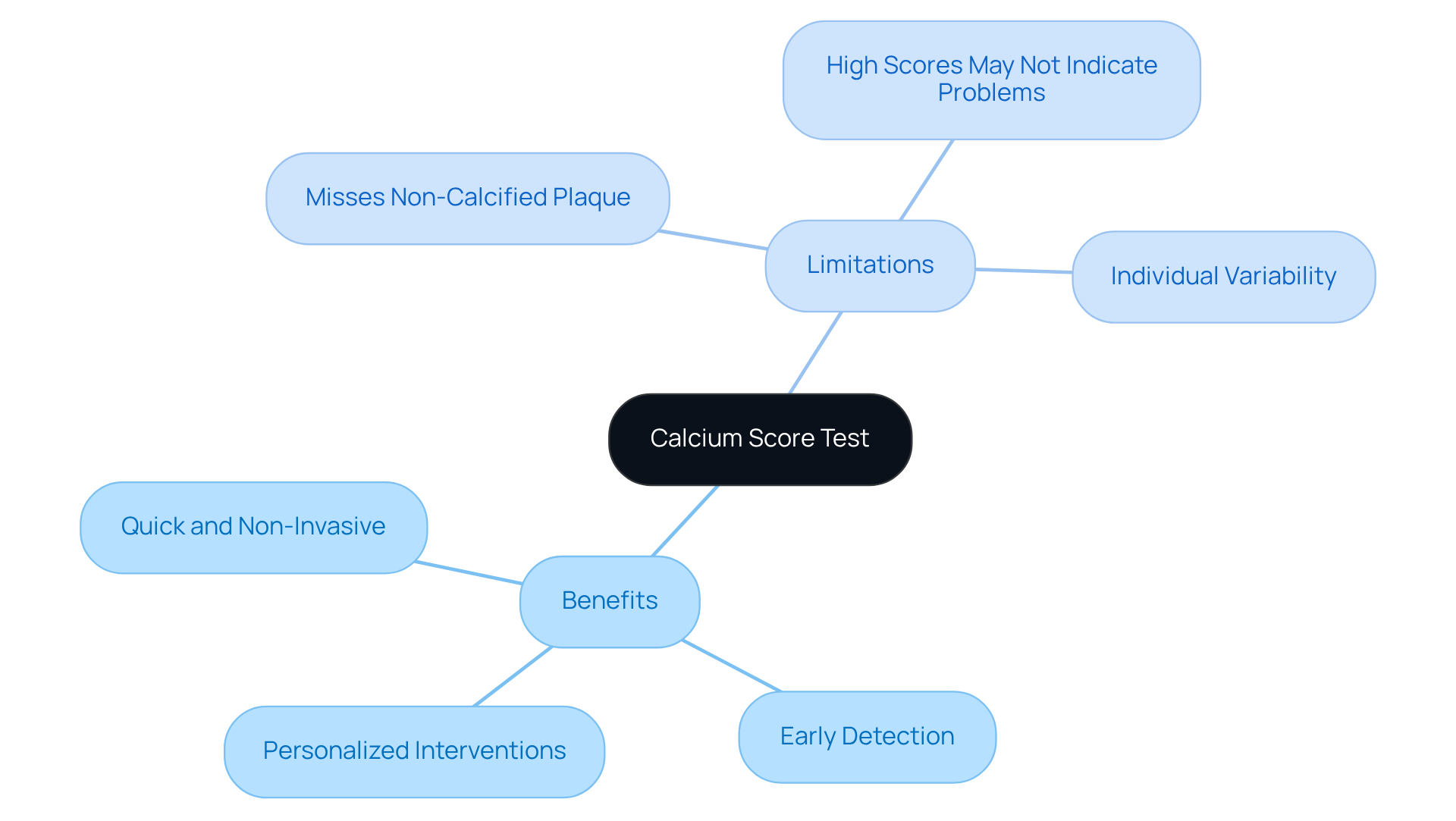
Understanding the calcium score test is essential for seniors who want to take charge of their heart health. This non-invasive imaging assessment offers valuable insights into the presence of calcified plaque in the coronary arteries, helping to evaluate the risk of cardiovascular disease. By recognizing the importance of this test, older adults can empower themselves to make informed decisions about their health and well-being.
The calcium score test can lead to early detection and intervention, potentially preventing serious heart-related incidents. It’s crucial to discuss results with healthcare providers to tailor treatment plans and lifestyle adjustments. While the test does have limitations, such as the chance of missing non-calcified plaque, it remains a vital part of proactive cardiovascular care, especially for those with risk factors like diabetes or hypertension.
Ultimately, understanding the calcium score test goes beyond just numbers; it’s about fostering a proactive approach to heart health. Seniors are encouraged to engage in open conversations with their healthcare teams, seek support, and consider what their results mean for them. By prioritizing heart health, individuals can take significant steps toward a healthier future, making informed choices that enhance their quality of life.
What is the Calcium Score Test?
The Calcium Score Test, also known as the coronary artery calcium (CAC) scan, is a specialized imaging test that uses computed tomography (CT) to detect mineral deposits in the coronary arteries, indicating the presence of atherosclerosis.
Why is the Calcium Score Test important?
The test is important because it helps evaluate the risk of heart incidents and other vascular issues, especially in older adults. An elevated mineral measurement suggests a higher burden of calcified plaque, which is linked to an increased likelihood of coronary artery disease (CAD).
Who should consider getting a Calcium Score Test?
Seniors, particularly those with diabetes, hypertension, or a family history of heart problems, should consider getting the test. Many individuals may have significant coronary artery disease without showing any symptoms, making this assessment crucial.
How does the Calcium Score Test enhance heart health prediction?
Research shows that understanding coronary artery mineral levels can improve the accuracy of predicting coronary heart disease over the next ten years, making the CAC scan a valuable tool for proactive heart health management.
What lifestyle changes can knowing my CAC value inspire?
Knowing your CAC value can encourage positive lifestyle changes and adherence to medications for managing risk factors like high blood pressure and cholesterol.
What is the expected future of Calcium Score Test accessibility?
It is anticipated that the affordability and accessibility of CAC scans will improve by 2026, although insurance coverage can vary, and many patients may choose to pay out-of-pocket.
Is the Calcium Score Test safe?
Yes, the radiation exposure from a CAC scan is relatively low, similar to that of a mammogram, which helps address safety concerns regarding the procedure.