


Understanding the nuances of cardiovascular health is crucial, especially when it comes to assessing risks associated with heart disease. The calcium score chart serves as a vital tool for patients, illuminating the presence of calcified plaque in the arteries and offering insights into potential heart health issues.
However, many individuals may feel uncertain about what their scores truly mean and how they should respond to them. What steps can one take after receiving these results, and how can they effectively leverage this information to improve their heart health?
This article delves into the importance of calcium scoring, the testing process, and the implications of the results, guiding readers on a path toward informed heart health management. Remember, you are not alone in this journey, and understanding your health is the first step toward taking control.
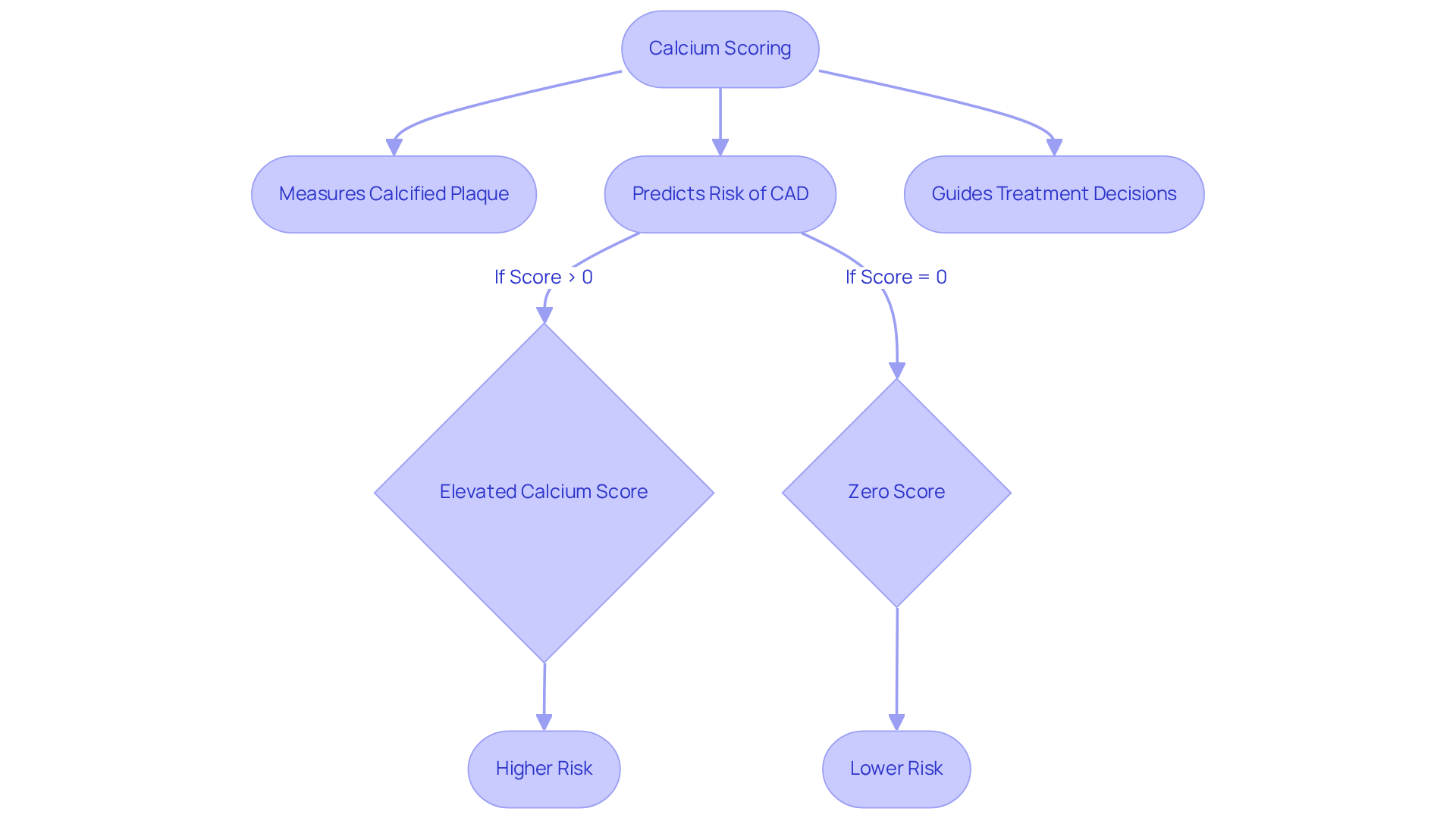
, also known as , is an essential diagnostic tool that measures the amount of calcified plaque in the coronary arteries and is represented in the through a specialized CT scan. Understanding the is essential for predicting the risk of (CAD) and the likelihood of potential heart attacks. When the shows , it indicates more plaque buildup, which correlates with a higher likelihood of heart-related incidents. For instance, research shows that individuals with a CAC measurement exceeding 300 Agatston units face a significantly increased risk of major adverse cardiovascular events, while those with a score of zero exhibit a remarkably low chance of developing coronary heart disease over the next ten years.
Recognizing an individual's is crucial for effective management of , especially for those at high risk, such as individuals with diabetes, hypertension, or a family history of cardiovascular disease. At Amavita Heart and Vascular Health®, we utilize advanced evaluation tools as part of our , helping individuals understand their results and develop . Real-world examples illustrate the impact of on patient outcomes; for example, patients initially assessed as moderate or high risk can have their status improved after receiving a CAC result of zero, potentially avoiding unnecessary treatments like statin therapy. This underscores the importance of tailored prevention strategies, as a zero score allows for the most accurate adjustment of assessments.
Recent guidelines recommend the selective use of the for individuals aged 40 and above who are at intermediate risk, emphasizing its role in refining heart-related risk and guiding treatment options. Furthermore, our and same-day recovery options ensure that individuals receive comprehensive care tailored to their unique needs. As research continues to evolve, combining CAC measurements with new biomarkers may enhance early detection and personalized prevention strategies, ultimately reducing the burden of atherosclerotic cardiovascular disease. Remember, you are not alone in this journey; we are here to support you every step of the way.
The is a quick, that typically takes around 10 to 15 minutes. This makes it an excellent choice for individuals at , such as those with diabetes, hypertension, a family history of heart disease, or those who have had inconclusive standard testing or are pursuing . During the test, you will lie on a table that gently slides into a CT scanner, which looks like a large donut. Electrodes will be placed on your chest to , ensuring accurate readings throughout the scan.
To achieve the best results, it's important to avoid caffeine and heavy meals for several hours before the test. Additionally, please remember to remove any metal items, like jewelry, prior to the test to ensure a smooth process. As the scanner operates, you will need to remain still and may hear a gentle whirring sound while images are being captured. Many individuals find this experience to be painless, and numerous patients report high satisfaction levels due to the comfort and efficiency of the procedure.
After the test, you can immediately resume your normal activities, making this a convenient option for assessing your . Understanding this process can greatly you may feel, allowing you to feel more prepared and relaxed for your appointment. It is also crucial to inform your healthcare provider about any allergies, medications, and your pregnancy status prior to the test, as this information is vital for your safety.
Dr. Martinez-Clark's expertise ensures that these are integrated into a , enhancing the quality of at Amavita. Remember, you are not alone in this journey; we are here to support you every step of the way.

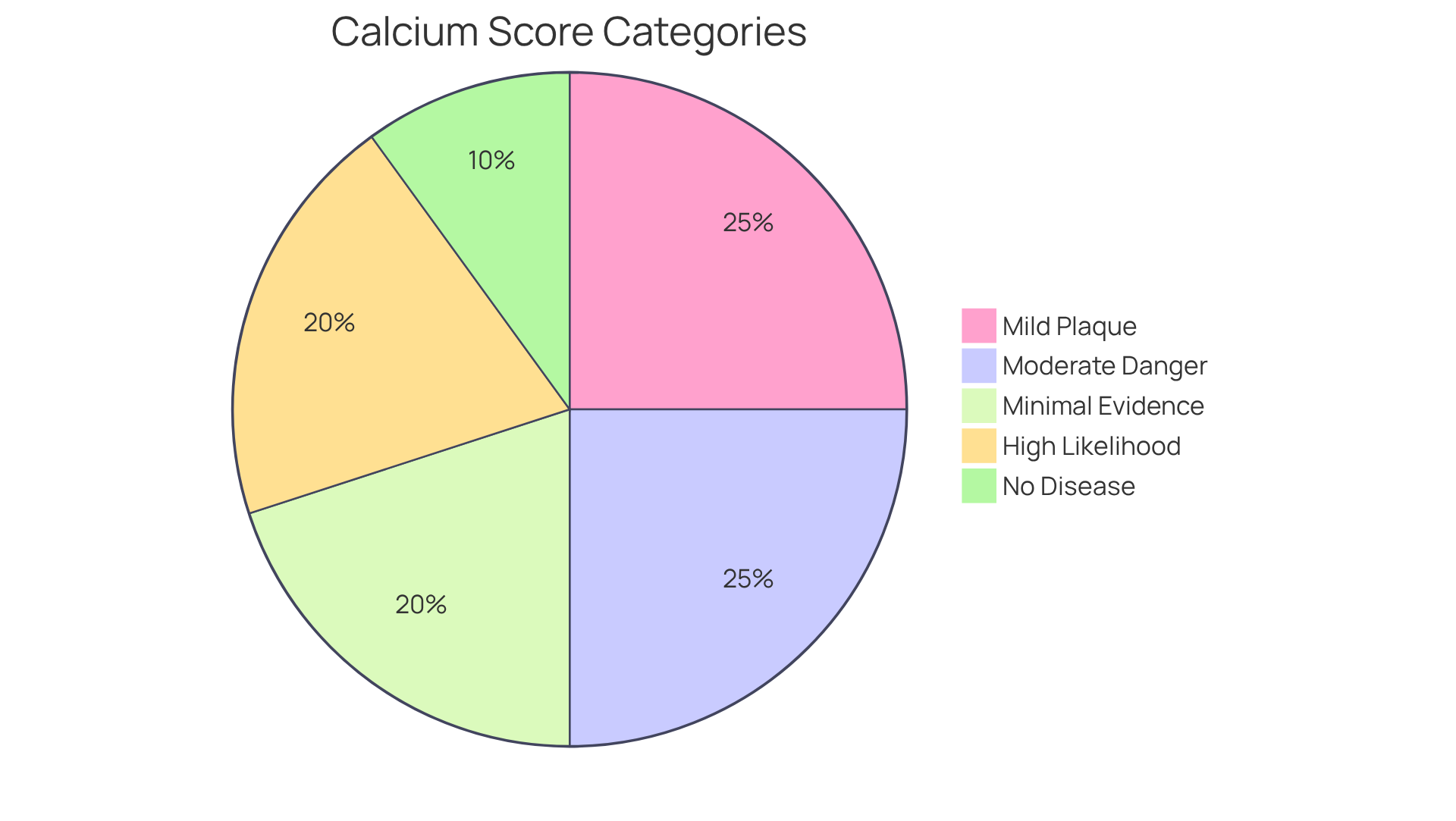
Calcium results are reported as numerical values, where higher values indicate greater plaque buildup in the arteries. A result of 0 signifies no detectable calcium, which correlates with a very low likelihood of developing over a 10-year follow-up period. Ratings from 1 to 10 show minimal evidence of , while ratings between 11 and 100 suggest mild plaque buildup. Moderate danger is indicated by values from 101 to 400, and values above 400 are associated with a high likelihood of heart disease.
Understanding these results from the is crucial, as they guide healthcare professionals in determining the need for further testing, lifestyle changes, or medical interventions. At Amavita Heart and Vascular Health, we emphasize the importance of the in enhancing , particularly for , including those with diabetes, hypertension, or a family history of heart conditions.
The Canadian Cardiovascular Society's 2021 guidelines recommend CACS scanning for individuals aged 40 and older at intermediate risk, underscoring the necessity for . We encourage patients to engage in about their results, enabling them to fully grasp the implications for their health and make .
Recent studies have shown that a significantly reduces the chances of developing , allowing for a more personalized approach to care. Furthermore, ongoing discussions about the adequacy of current CACS practices highlight the need for a thorough evaluation of these metrics in clinical decision-making, in line with Amavita's commitment to comprehensive heart care through advanced imaging and tailored methods.
Your heart health is important to us, and we are here to support you every step of the way.
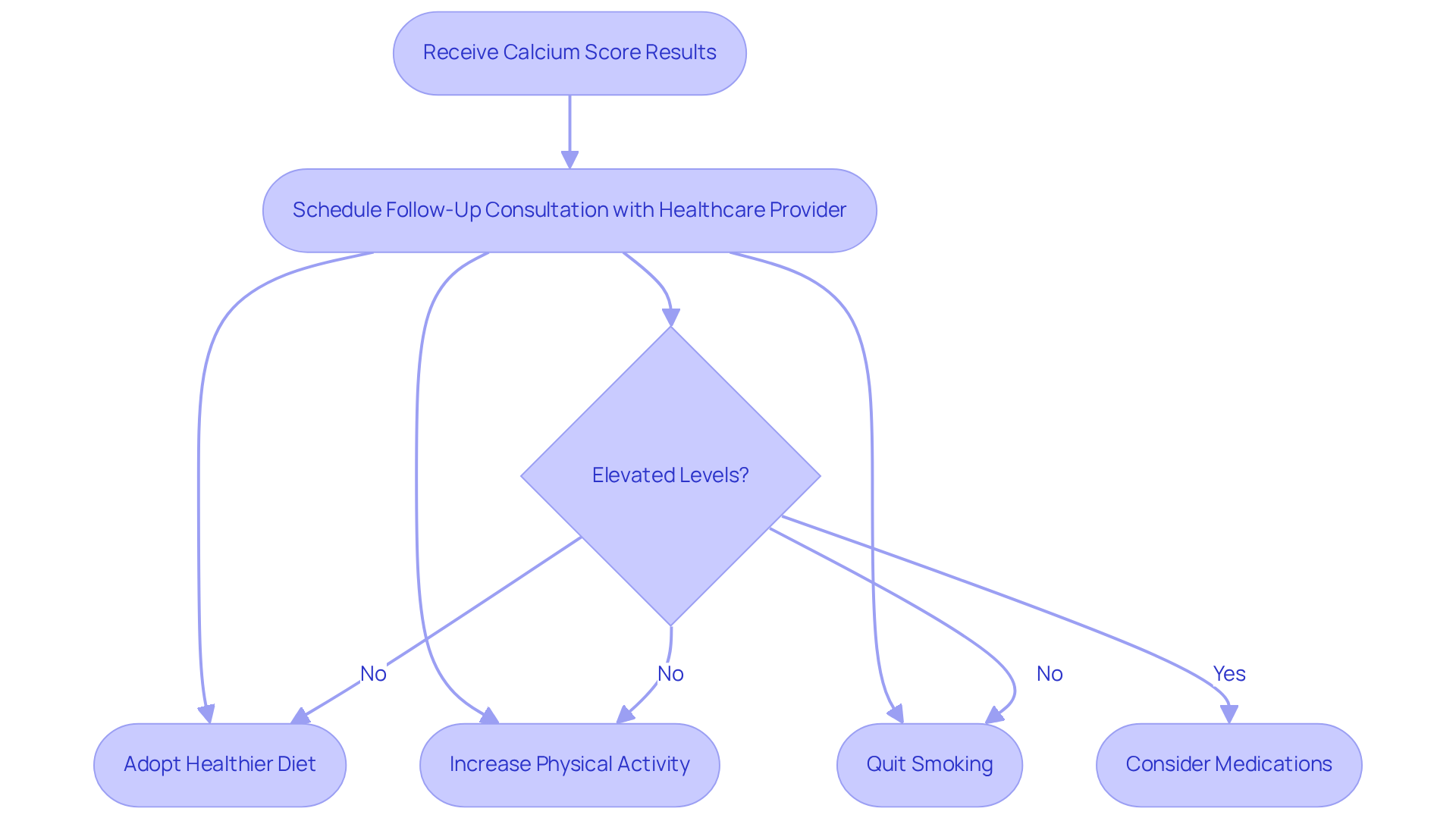
Upon receiving your calcium results, it’s essential to arrange a with your healthcare provider to discuss what these findings mean for you. At Amavita Heart and Vascular Health®, we are dedicated to providing innovative and compassionate tailored to your unique needs. Depending on your results, you may need to consider significant lifestyle changes, such as:
For those with elevated levels, our healthcare professionals might recommend medications to effectively manage cholesterol or blood pressure, utilizing advanced imaging and thorough assessments to ensure the best outcomes.
Regular monitoring of your heart health through follow-up tests is also advisable to track your progress and adjust treatment plans as necessary. We encourage you to ask questions and share any concerns during your follow-up visit. This conversation is vital for understanding your treatment plan and recognizing the importance of . Research indicates that can lead to improved calcium levels; for instance, a study found that many individuals stabilized their CAC levels without statins by embracing low-carb diets, which help enhance heart health risk factors. Additionally, engaging in regular exercise, like a daily 15-minute walk, can positively influence your heart health and reduce inflammation.
Current guidelines from health authorities, including the 2018 Cholesterol and 2019 ACC/AHA prevention guidelines, highlight the necessity for based on your . Making lifestyle changes not only helps manage existing conditions but can also prevent the progression of , ultimately enhancing your quality of life. By taking proactive steps and following medical advice, you can reclaim your health and , supported by Amavita's commitment to premier that combines with innovative research.
Understanding the calcium score chart is vital for anyone concerned about their cardiovascular health. This diagnostic tool not only helps predict the risk of coronary artery disease but also facilitates personalized treatment plans based on individual calcium scores. By grasping the implications of their scores, patients can take proactive steps towards better heart health and potentially avoid unnecessary medical interventions.
Throughout this article, we have emphasized key points, including:
Elevated scores indicate greater plaque buildup, while a score of zero offers reassurance and opens the door for tailored prevention strategies. Engaging with healthcare providers about these results is crucial for understanding the next steps in managing heart health.
Ultimately, prioritizing heart health through calcium scoring and subsequent lifestyle modifications can lead to significant improvements in overall well-being. Individuals are encouraged to remain vigilant about their cardiovascular health and to utilize the resources available, such as consultations with healthcare professionals, to navigate their heart health journey effectively. Taking these steps not only enhances personal health outcomes but also contributes to a broader awareness of the importance of cardiovascular care in the community.
What is calcium scoring?
Calcium scoring, or coronary artery calcium (CAC) scoring, is a diagnostic tool that measures the amount of calcified plaque in the coronary arteries using a specialized CT scan.
Why is calcium scoring important for cardiovascular health?
Calcium scoring is important because it helps predict the risk of coronary artery disease (CAD) and potential heart attacks. Elevated calcium measurements indicate more plaque buildup, which correlates with a higher likelihood of heart-related incidents.
How is the calcium score chart interpreted?
The calcium score chart displays the amount of calcified plaque, with higher scores indicating increased risk. For example, a CAC measurement exceeding 300 Agatston units significantly raises the risk of major adverse cardiovascular events, while a score of zero suggests a low chance of developing coronary heart disease over the next ten years.
Who should consider calcium scoring?
Individuals at high risk for cardiovascular disease, such as those with diabetes, hypertension, or a family history of heart disease, should consider calcium scoring for effective heart health management.
How can calcium scoring affect treatment decisions?
Calcium scoring can lead to improved patient outcomes by allowing for tailored prevention strategies. For instance, patients with a zero CAC result may avoid unnecessary treatments like statin therapy, while those assessed as moderate or high risk can have their status reevaluated based on their score.
What are the current guidelines for calcium scoring?
Recent guidelines recommend the selective use of calcium scoring for individuals aged 40 and above who are at intermediate risk, helping to refine heart-related risk and guide treatment options.
What advancements are being made in calcium scoring and cardiovascular health?
Research is ongoing to combine CAC measurements with new biomarkers to enhance early detection and personalized prevention strategies, which may ultimately reduce the burden of atherosclerotic cardiovascular disease.