


A nuclear medicine stress test is an important tool that helps us understand heart health by assessing blood flow to the heart muscle during rest and activity. This advanced procedure not only plays a key role in diagnosing conditions like coronary artery disease but also supports preventive care by identifying potential risks early on.
As you consider undergoing this test, it’s natural to have questions about its safety, the procedure itself, and what the results might mean for you. What should you know to navigate this essential diagnostic journey with confidence?
In addition to understanding the test, it’s crucial to recognize that you’re not alone in this process. Many patients share similar concerns, and it’s perfectly okay to seek clarity and reassurance. Remember, this test is designed to provide valuable insights into your heart health, helping you and your healthcare team make informed decisions about your care.
If you have any worries or uncertainties, don’t hesitate to reach out for support. Your health is a priority, and there are resources available to help you every step of the way.
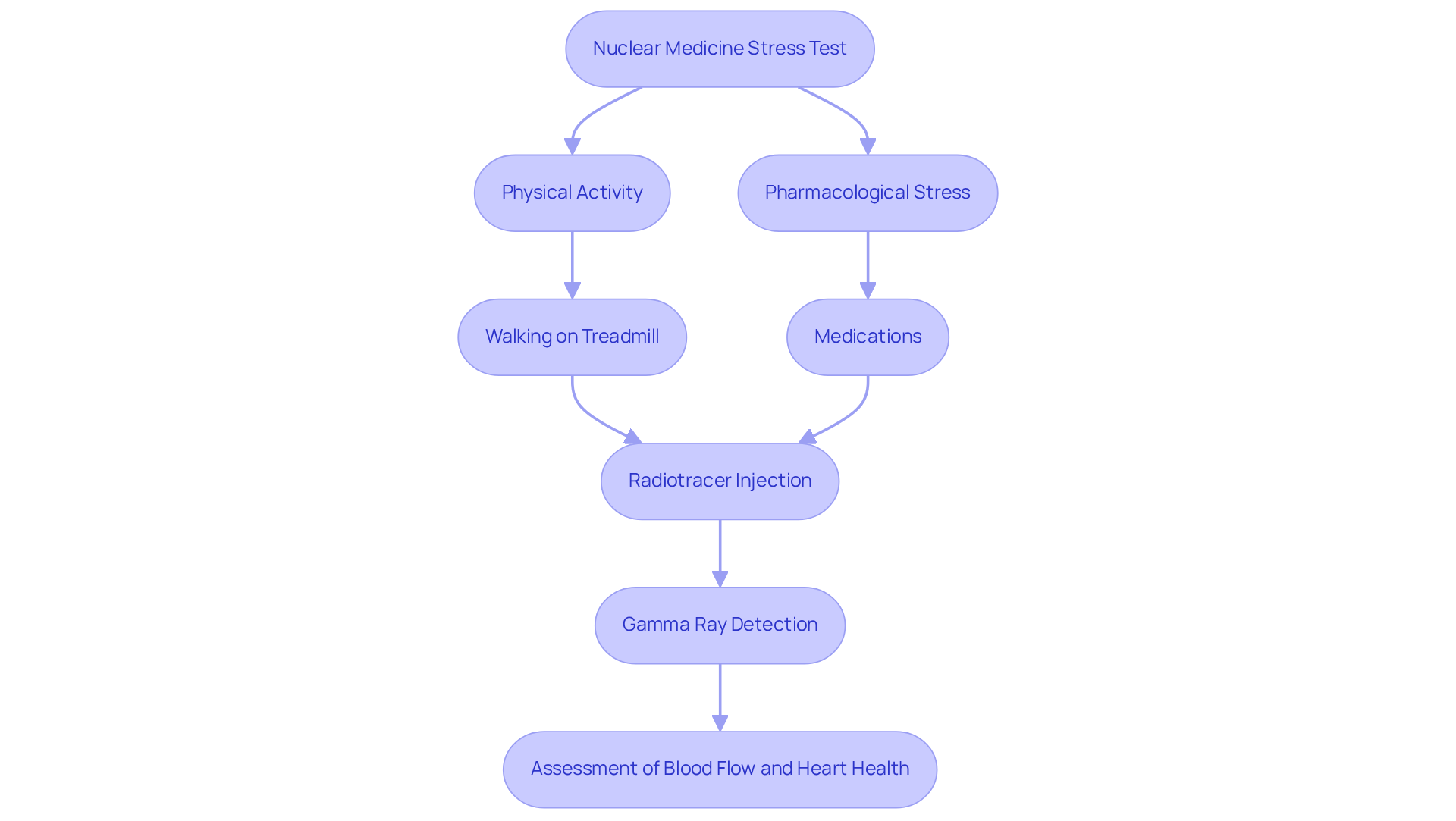
Are you concerned about your heart health? A , commonly known as a , is a vital to your heart muscle during both rest and physical activity. This procedure uses a small amount of a radioactive substance, known as a radiotracer, which is injected into your bloodstream. The radiotracer emits gamma rays that a specialized camera detects, allowing to visualize blood flow and identify areas of reduced perfusion that may indicate or other .
You might wonder how this test is performed. It can be done through physical activity, like walking on a treadmill, or pharmacologically, using medications that mimic the effects of exercise on your heart. s, which include s, are particularly common among older patients, as they provide crucial insights into , aiding in the .
With Amavita's CardioElite™, these assessments can even be done at your bedside, ensuring immediate results and of any complications. This advanced diagnostic capability not only enhances patient outcomes but also plays a significant role in reducing hospital readmissions. Timely interventions can be made based on the valuable insights gained from these scans.
Cardiologists emphasize the importance of these scans, noting that they reveal essential information about your heart's function and can guide treatment decisions effectively. Remember, you are not alone in this journey; we are here to support you every step of the way.
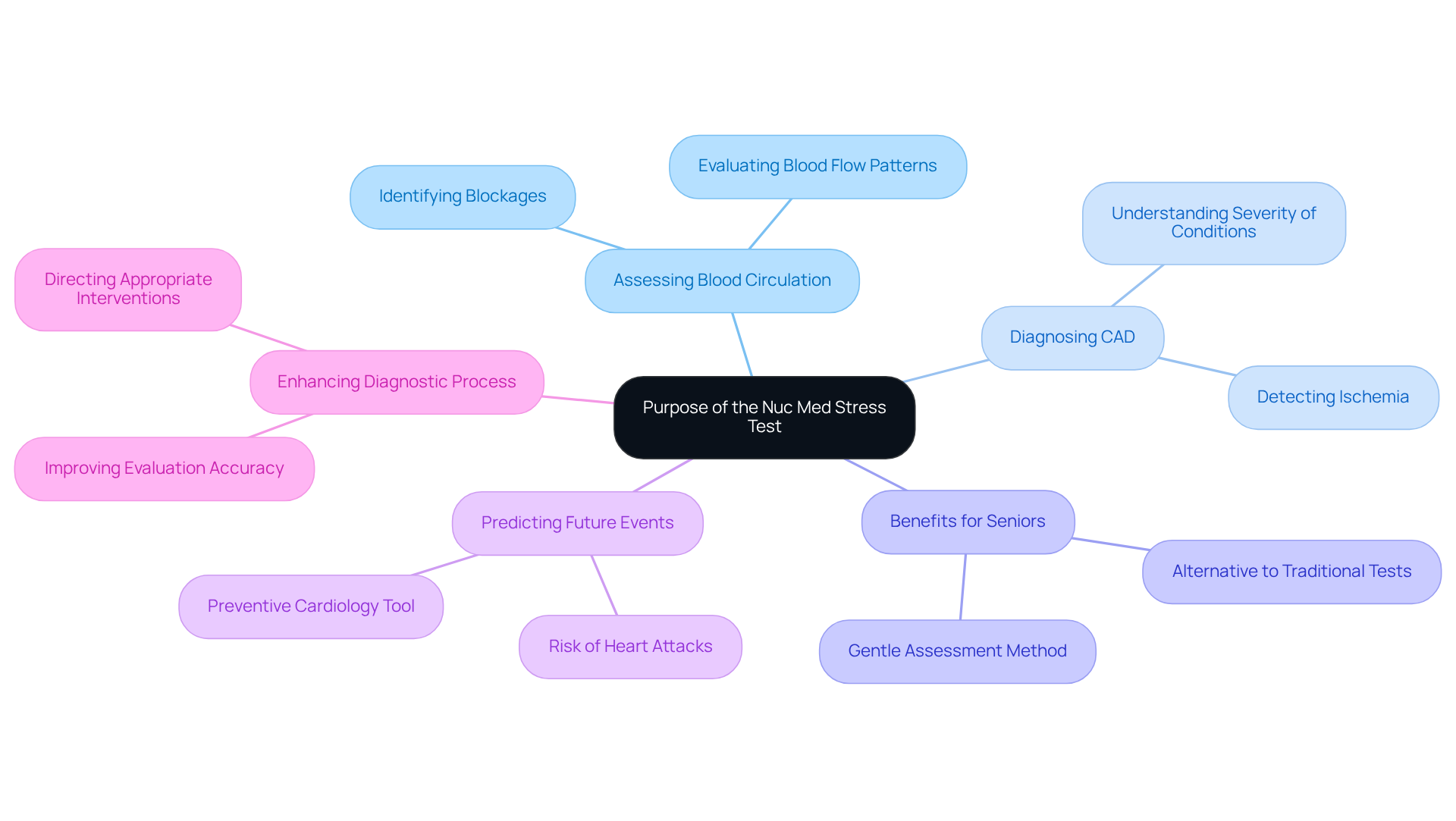
A is a gentle yet powerful way to assess how well blood circulates to your heart muscle, both during rest and physical activity. This evaluation, which includes the , is not just a routine check; it plays a crucial role in diagnosing (CAD) and understanding the severity of any existing . By carefully analyzing blood flow patterns during moments of tension and relaxation, healthcare professionals can identify any blockages or areas that may not be receiving enough blood, which can be evaluated using a .
This assessment, which includes the , is particularly beneficial for senior patients or those experiencing unusual symptoms who might find traditional exercise tests challenging due to physical limitations. It’s important to know that the can also help , such as heart attacks, making it an .
Furthermore, incorporating a enhances the diagnostic process, allowing for a more precise evaluation of your . This means that healthcare providers can direct the right interventions to support your effectively.
If you have concerns about your heart or have been advised to undergo this assessment, remember that you’re not alone. Reach out to your healthcare provider; they’re here to help you navigate this journey with care and understanding.
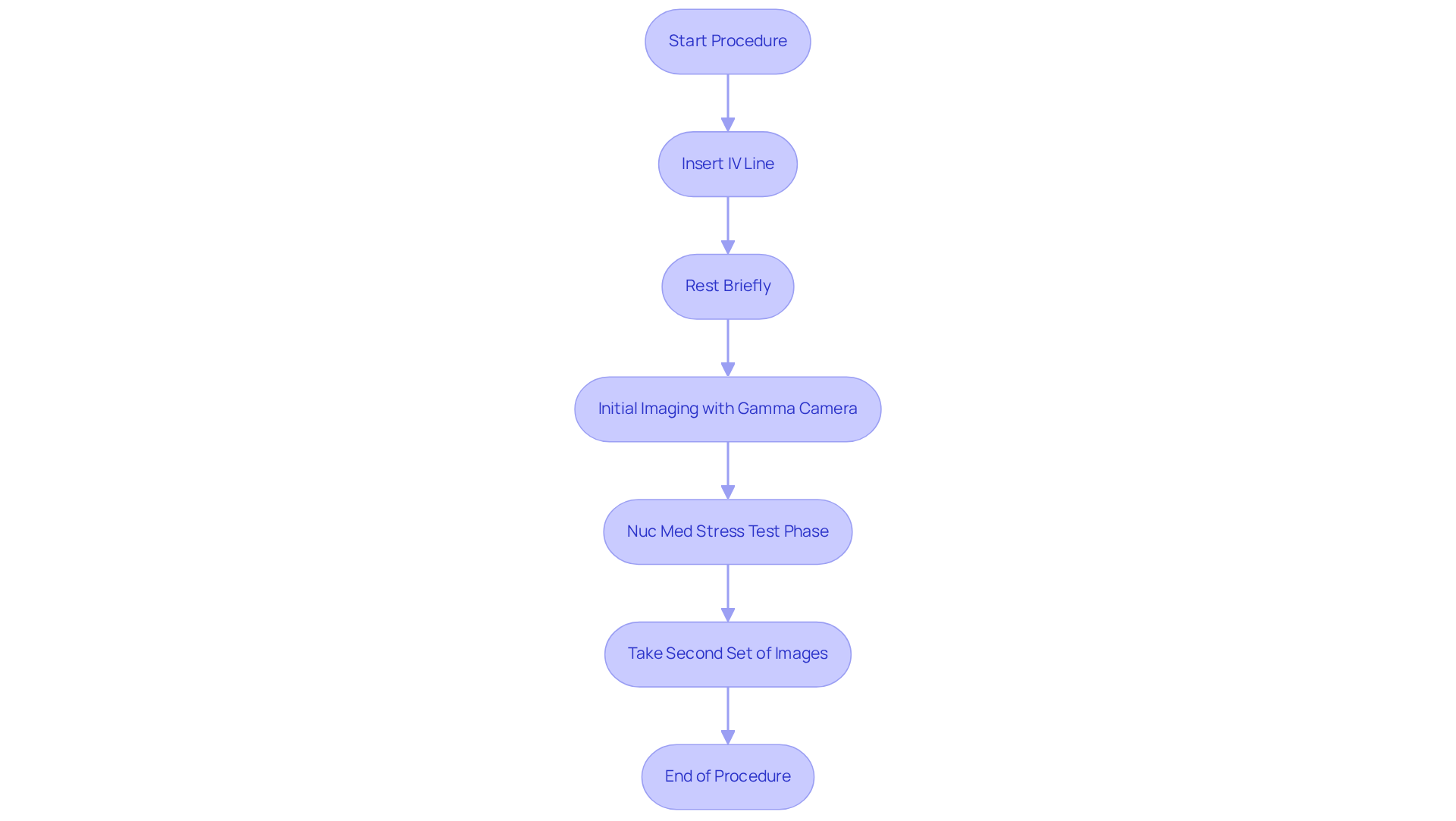
The procedure is designed with your comfort in mind, ensuring that we assess efficiently and compassionately. To start, a healthcare professional will gently insert an intravenous (IV) line into a vein, usually in your arm, to administer the radiotracer. After the tracer is injected, you’ll be asked to rest briefly, allowing the tracer to circulate through your bloodstream. This resting period is important, as it helps us gather the initial series of images with a , which evaluates blood circulation to your heart while at rest.
Next, we move on to the phase. This can be done through physical activity on a treadmill or by using a medication that mimics exercise, which is often used in a to activate your cardiovascular system. You’ll be encouraged to continue until you reach a or feel some discomfort. After achieving the necessary level of exertion, we’ll take a second set of images to assess blood flow during this active phase.
The entire procedure typically lasts about 3 to 4 hours, including preparation and imaging time. While some patients may experience mild side effects from the tracer, such as flushing or nausea, serious side effects are quite rare. Remember, this is a vital tool in diagnosing and assessing your . It provides valuable insights that can guide your treatment options, ensuring you receive the best care possible.
If you have any concerns or questions about the procedure, please don’t hesitate to reach out. We’re here to support you every step of the way.
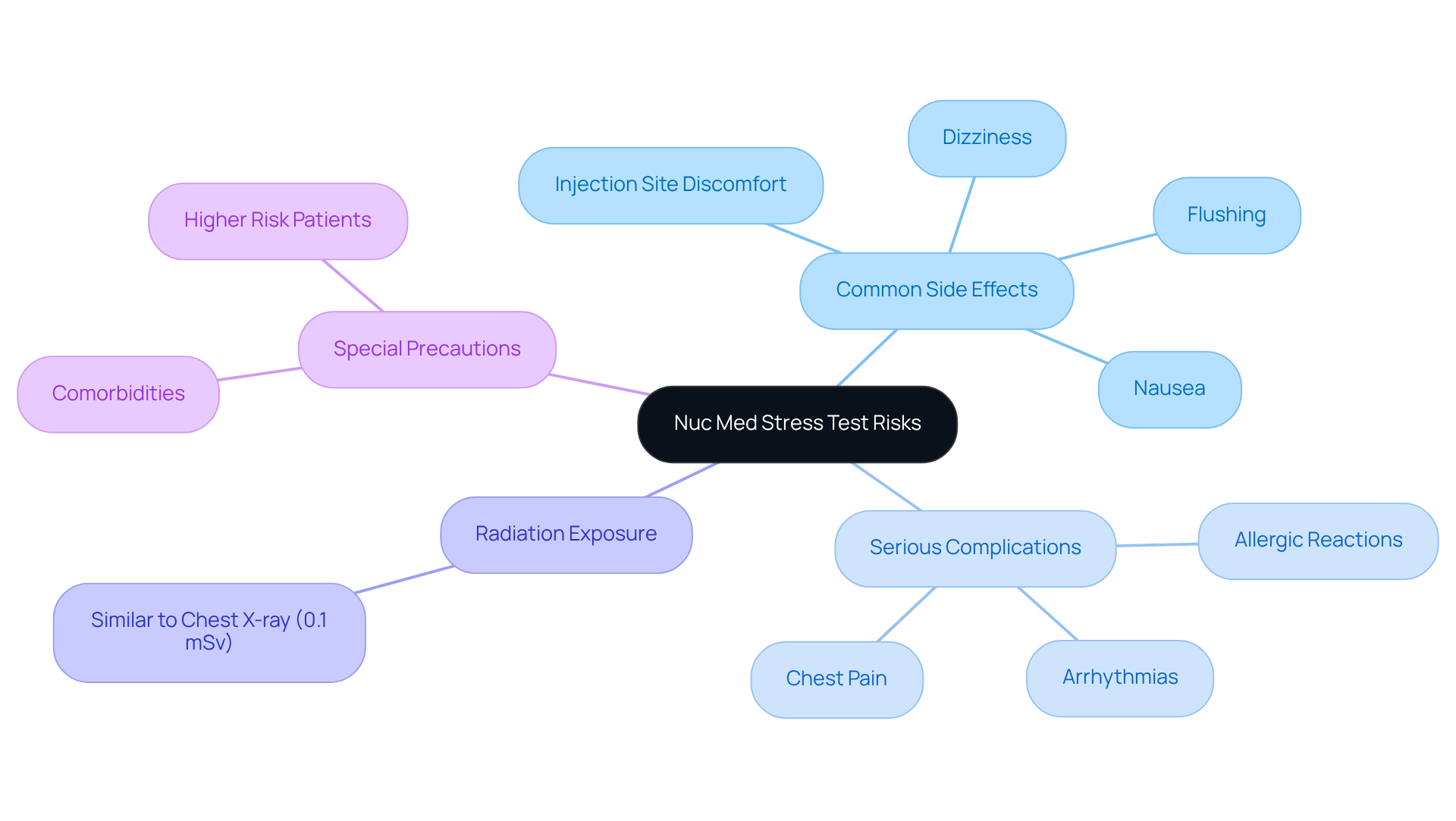
The can be a source of concern for many, especially for our elderly patients. While these procedures are generally considered safe, it’s important to recognize that there are risks involved. Common side effects might include mild discomfort at the injection site, flushing, dizziness, or nausea. Although serious complications are rare, they can occur, such as arrhythmias, chest pain, or allergic reactions to the radiotracer.
You might be wondering about the from these assessments. It’s typically similar to that of a standard chest X-ray, averaging around 0.1 mSv. However, for older patients who often have pre-existing conditions, it’s crucial to communicate openly with your healthcare provider. Make sure to share any medications, allergies, or health issues you may have before the test.
If you have , special precautions are necessary, as you may face a during a nuc med stress test. For instance, studies show that patients with unstable angina or cardiovascular instability are at greater risk for .
Therefore, with healthcare professionals are essential. Remember, you are not alone in this process; support is available to ensure a safe and reassuring testing experience.
A nuc med stress test is a vital tool for assessing heart health, providing valuable insights into blood flow to the heart muscle during both rest and activity. By using a radiotracer, this procedure helps healthcare professionals identify potential issues like coronary artery disease, which can lead to timely and effective treatment decisions.
Throughout this article, we’ve highlighted the significance of the nuc med stress test. It plays a crucial role in diagnosing cardiovascular conditions, detailing the step-by-step procedure involved, and discussing the associated risks. This test is especially beneficial for older adults or those with physical limitations, ensuring they receive a thorough assessment of their heart health while minimizing discomfort.
Recognizing the importance of proactive heart health management is essential. If you have concerns about your cardiovascular status, consider discussing the benefits of a nuc med stress test with your healthcare provider. Taking this step can empower you with knowledge and support, ultimately enhancing your heart health and overall well-being. Remember, you’re not alone in this journey; there are resources and professionals ready to help you every step of the way.
What is a nuclear medicine stress test?
A nuclear medicine stress test, also known as a myocardial perfusion scan, is a diagnostic tool that assesses blood flow to the heart muscle during rest and physical activity using a small amount of a radioactive substance called a radiotracer.
How does the nuclear medicine stress test work?
The test involves injecting a radiotracer into the bloodstream, which emits gamma rays detected by a specialized camera. This allows healthcare providers to visualize blood flow and identify areas of reduced perfusion that may indicate heart issues.
What methods are used to perform the nuclear medicine stress test?
The test can be performed through physical activity, such as walking on a treadmill, or pharmacologically using medications that mimic the effects of exercise on the heart.
Who typically undergoes nuclear medicine stress tests?
These tests are particularly common among older patients as they provide crucial insights into cardiovascular health, aiding in the diagnosis and management of heart conditions.
How does Amavita's CardioElite™ enhance the nuclear medicine stress test?
With Amavita's CardioElite™, assessments can be performed at the bedside, providing immediate results and facilitating early detection of complications, which can improve patient outcomes and reduce hospital readmissions.
Why are nuclear medicine stress tests important according to cardiologists?
Cardiologists emphasize that these scans reveal essential information about heart function and can effectively guide treatment decisions.