


Understanding the complexities of heart health is crucial, especially for seniors who may face various cardiovascular challenges. Heart catheterization stands out as a vital tool in diagnosing and treating heart conditions. It offers a less invasive option that can significantly improve health outcomes. But many may wonder: what does this procedure involve, and how can it truly benefit elderly patients?
Exploring these questions reveals not only the importance of the procedure but also the profound impact it can have on the lives of older adults navigating their health journeys. In addition to this, heart catheterization can help identify issues early, allowing for timely interventions that can lead to better health and quality of life.
If you or a loved one are feeling anxious about heart health, know that you’re not alone. Many seniors share these concerns, and it’s perfectly normal to seek answers. Remember, taking the first step towards understanding your heart health is a sign of strength. Reach out for support, and let’s navigate this journey together.
Cardiac angiography, often called cardiac intervention, is a gentle yet powerful technique that can be classified as a right heart catheterization procedure, involving the insertion of a slender, flexible tube known as a catheter into a blood vessel, typically in the groin or arm, and guiding it toward the heart. The right heart catheterization procedure is vital for diagnosing and treating various cardiovascular conditions, such as coronary artery disease, valve issues, and arrhythmias. For seniors, the right heart catheterization procedure is particularly important, as it enables the evaluation of heart function and blood circulation without the need for more invasive surgeries.
Recent advancements in techniques, particularly with Amavita's CardioElite™, have made the right heart catheterization procedure even more effective. It enables immediate interventions like angioplasty or stent placement, which can greatly enhance outcomes and improve the quality of life for older individuals. Did you know that 25% of patients who experience failure rely on post-acute care facilities? This statistic underscores the importance of timely interventions.
Real-world examples show that heart procedures not only help in diagnosing conditions but also provide essential information that can lead to prompt and effective treatments. This ultimately reduces hospital stays and boosts survival rates. The protective association of the right heart catheterization procedure with mortality highlights its significance in managing cardiovascular health among seniors, making it an essential tool in modern cardiac care.
With the integration of AISAP's Intelligent Cardiac Imaging platform, skilled nursing facilities can now conduct comprehensive cardiac assessments right at the bedside. This innovation allows for early detection of complications and minimizes the need for hospital transfers, addressing the cardiovascular challenges faced by seniors and enhancing overall care. Remember, you’re not alone in this journey; support is available to help you navigate your health concerns.
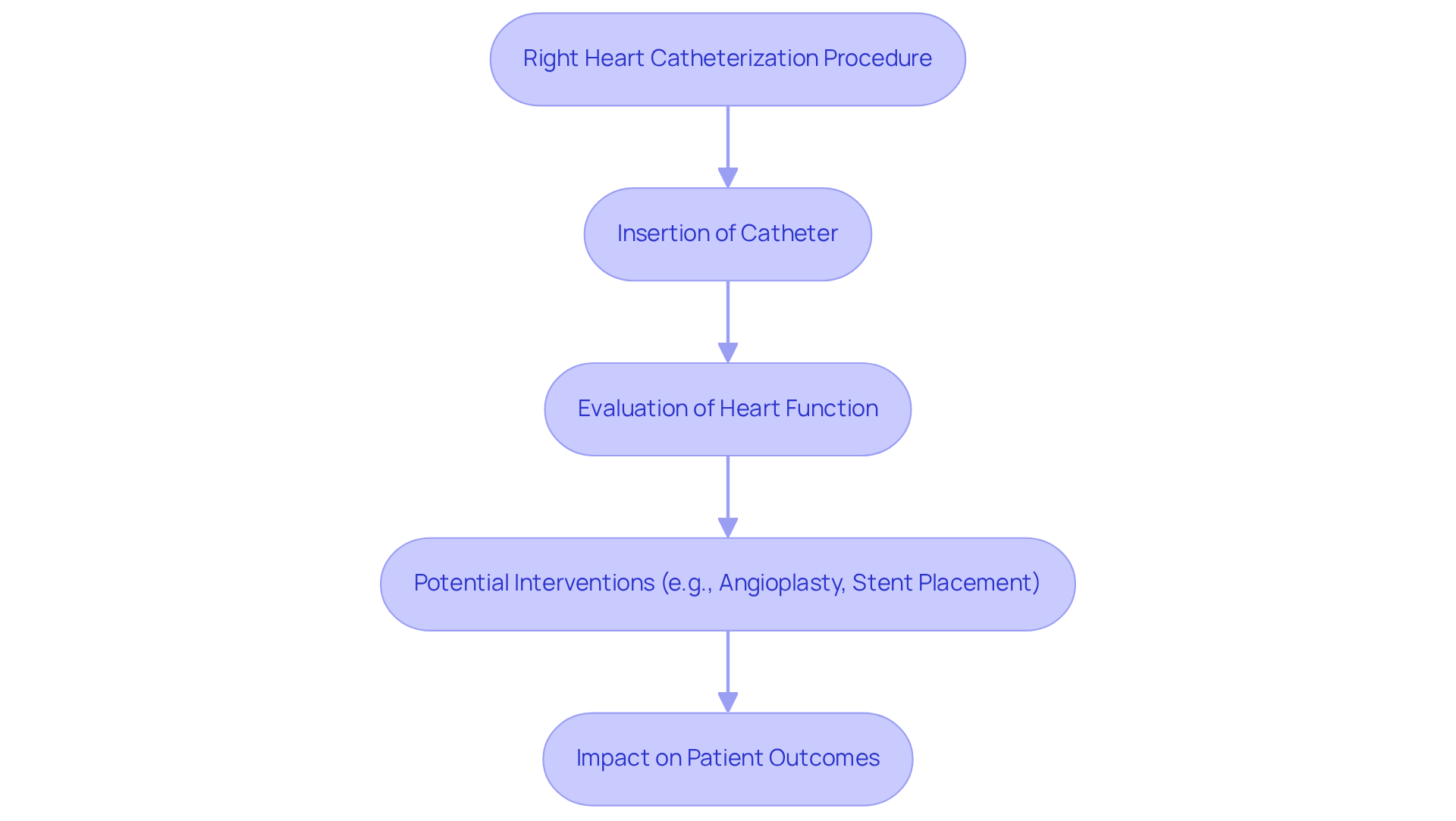
The right heart catheterization procedure plays a vital role in various clinical situations, particularly for seniors who may be facing symptoms like chest pain, shortness of breath, or unexplained fatigue. It’s important to recognize specific signs that may indicate the need for heart catheterization in this age group:
Recognizing these signs is key to timely interventions, which can significantly enhance outcomes for individuals who require a right heart catheterization procedure. For instance, the right heart catheterization procedure has been associated with a protective effect on in-hospital mortality among elderly patients with heart conditions, highlighting its importance in effectively managing cardiovascular health.
If you or a loved one are experiencing any of these symptoms, please don’t hesitate to reach out for support. Your health and well-being are paramount, and there are compassionate professionals ready to help you navigate these challenges.

The right heart catheterization procedure can feel daunting, but understanding what to expect can help ease your worries. Here’s a gentle overview of the steps involved:
Preparation: Before the procedure, you’ll be advised to fast for several hours. During this time, healthcare professionals will review your medical history and medications to ensure your safety, especially if you have conditions like diabetes, hypertension, or a family history of heart disease. This careful preparation is all about looking out for you.
Anesthesia: To make the experience more comfortable, a local anesthetic is applied to numb the insertion site, typically in your groin or wrist. This way, you can feel at ease during the right heart catheterization procedure.
Catheter Insertion: A small incision is made, and a sheath is inserted into the blood vessel. The catheter is then threaded through this sheath and guided to the heart using fluoroscopy, which provides live X-ray imaging for precision. The right heart catheterization procedure is a careful process designed to ensure accuracy.
Diagnostic Imaging: Once the catheter is in place, contrast dye is injected to visualize the heart’s chambers and blood vessels. This step is crucial for identifying any blockages or abnormalities, especially if previous tests haven’t provided clear answers. Your health is our priority, and this imaging is essential for us to prepare for the right heart catheterization procedure to understand your heart better.
Intervention (if necessary): If any blockages are found, the cardiologist may perform angioplasty or place a stent during the same operation. This prompt action can make a significant difference in your health related to the right heart catheterization procedure.
Completion: After the procedure, the catheter is removed, and pressure is applied to the insertion site to prevent bleeding. You’ll be monitored for a few hours to ensure everything is stable before heading home. Most people can return home the same day and typically recover fully within a week.
It’s important to arrange for someone to take you home after the treatment, as sedation can affect your ability to drive safely. Understanding the right heart catheterization procedure can help alleviate fears and prepare you for what to expect, especially within the context of the comprehensive cardiovascular care provided at Amavita. Remember, we’re here to support you every step of the way.

The right heart catheterization procedure is generally considered a safe method, but it does come with specific risks and complications, especially for our elderly patients. Understanding these concerns is crucial, and we want to ensure you feel informed and supported. Here are some key points to consider:
At Amavita Heart and Vascular Health®, we believe that understanding these risks empowers you to engage in meaningful conversations with your healthcare provider. Our dedicated team offers thorough cardiac assessments and preventive strategies, including personalized interventions like lifestyle changes and advanced risk evaluation tools. Our goal is to significantly reduce your risk of heart attack and ensure you receive the most appropriate care tailored to your unique health needs.
It's important to note that the risk of significant complications during the right heart catheterization procedure is typically under 1%. This statistic should provide some reassurance regarding the overall safety of the right heart catheterization procedure. Additionally, please remember to arrange for someone to drive you home afterward, as you won’t be able to drive yourself due to sedation and the effects of the procedure. We’re here to support you every step of the way.

Recovery from the right heart catheterization procedure can feel daunting, especially for seniors. But don’t worry; there are several essential steps you can take to ensure a smooth healing process. Let’s explore these together:
Monitoring: After your procedure, you’ll typically be observed for several hours. This is crucial for detecting any immediate complications and ensuring your safety during recovery.
Activity Restrictions: It’s important to avoid strenuous activities for at least 48 hours. This means steering clear of heavy lifting and vigorous exercise, allowing your body the time it needs to heal. If you had a right heart catheterization procedure, you should avoid heavy lifting for 5 to 7 days.
Hydration: Staying well-hydrated is vital. Aim to drink eight to ten glasses of clear fluids to help flush the contrast dye from your system, which aids in your recovery.
Site Care: Keeping the catheter insertion site clean and dry is essential. Regularly check for signs of infection, like increased redness, swelling, or discharge, and don’t hesitate to report any concerning symptoms to your healthcare provider.
Follow-Up Appointments: Attending your follow-up appointments is critical. These visits allow your healthcare team to assess your recovery and address any ongoing symptoms, ensuring you’re on the right track.
Recognizing Complications: Be vigilant for symptoms that require immediate medical attention, such as severe pain, persistent bleeding, fever over 100.4°F, or signs of a heart attack. Being aware of these warning signs can significantly impact your recovery outcomes.
Bed Rest: Most individuals need 4-6 hours of bed rest after sheath removal. This rest is important for your recovery.
Driving Limitations: It’s best to avoid driving for at least 24-48 hours after the procedure to ensure your safety during recovery.
Gradual Increase in Activity: During days 3-7 post-procedure, you’re encouraged to gradually increase your walking distance and duration. This gentle approach supports mobility and healing.
By following these aftercare guidelines, you can enhance your recovery experience and promote optimal heart health after the right heart catheterization procedure. Remember, you’re not alone in this journey; support is always available.

The right heart catheterization procedure is a crucial intervention in cardiovascular health, especially for seniors. This minimally invasive technique not only helps diagnose heart conditions but also allows for timely treatments that can greatly improve patient outcomes. By understanding the significance of this procedure, individuals can make informed decisions about their heart health and advocate for necessary interventions.
In this article, we explored key aspects of the right heart catheterization procedure, including its importance in diagnosing various cardiovascular issues, the indications for when it is necessary, a step-by-step overview of the process, potential risks, and essential recovery guidelines. Each of these elements underscores the procedure's role in enhancing heart health, particularly for older adults who may face unique challenges.
Given the insights shared, it’s vital for seniors and their caregivers to stay vigilant about heart health. Recognizing symptoms that may require a heart catheterization, understanding the procedure's safety profile, and following recovery protocols can significantly impact overall well-being. By remaining informed and proactive, individuals can navigate their cardiovascular journey with confidence, ensuring they receive the care and support needed to maintain a healthy heart.