


Understanding your calcium score is crucial for assessing heart health, especially when those numbers exceed 1000. This can indicate a significant risk of coronary artery disease. Derived from a CT scan, this important metric reveals the presence of calcified deposits in your arteries. More than just a number, it serves as a wake-up call, urging you to take steps toward better cardiovascular health.
With the concerning reality that a high calcium score can greatly increase the risk of serious heart conditions, you might be wondering: what can you do to reduce these risks and protect your well-being? Taking proactive measures is essential, and there are several actionable steps you can consider.
In addition to discussing your results with a healthcare professional, lifestyle changes such as:
can make a significant difference. Remember, you’re not alone in this journey; support is available, and taking these steps can lead to a healthier future.
Your health matters, and understanding your calcium score is just the beginning. By being informed and proactive, you can take charge of your heart health and work towards a brighter, healthier tomorrow.
Understanding your mineral assessment is crucial for evaluating your and guiding treatment options, especially if you're at higher risk due to age or previous health issues. A mineral assessment is a numerical figure derived from a CT scan that measures the amount of calcified deposits in your . This measurement typically ranges from 0 to over 1000, with higher values indicating a greater burden of (CAD). A result of 0 means no measurable mineral, while a shows significant calcification, which is linked to an increased risk of heart attacks and other cardiovascular events.
Recent research highlights that individuals with a face a 6.8% risk of serious cardiovascular incidents, while those with scores between 1 and 399 have a much lower risk of 1.9%. This information underscores the and recognizing who might benefit from more proactive preventive measures, such as lifestyle changes or statin therapy. Regular monitoring of mineral levels can also provide insights into how effective these measures are over time, allowing for personalized treatment strategies that enhance your cardiovascular health.
At Amavita Heart and Vascular Health®, we utilize advanced imaging capabilities to provide tailored to your specific needs, particularly for elderly patients who may face increased vulnerabilities. We are dedicated to offering that goes beyond traditional methods, ensuring that you receive the most effective and personalized treatment plans to improve your . Remember, you’re not alone in this journey; we’re here to support you every step of the way.

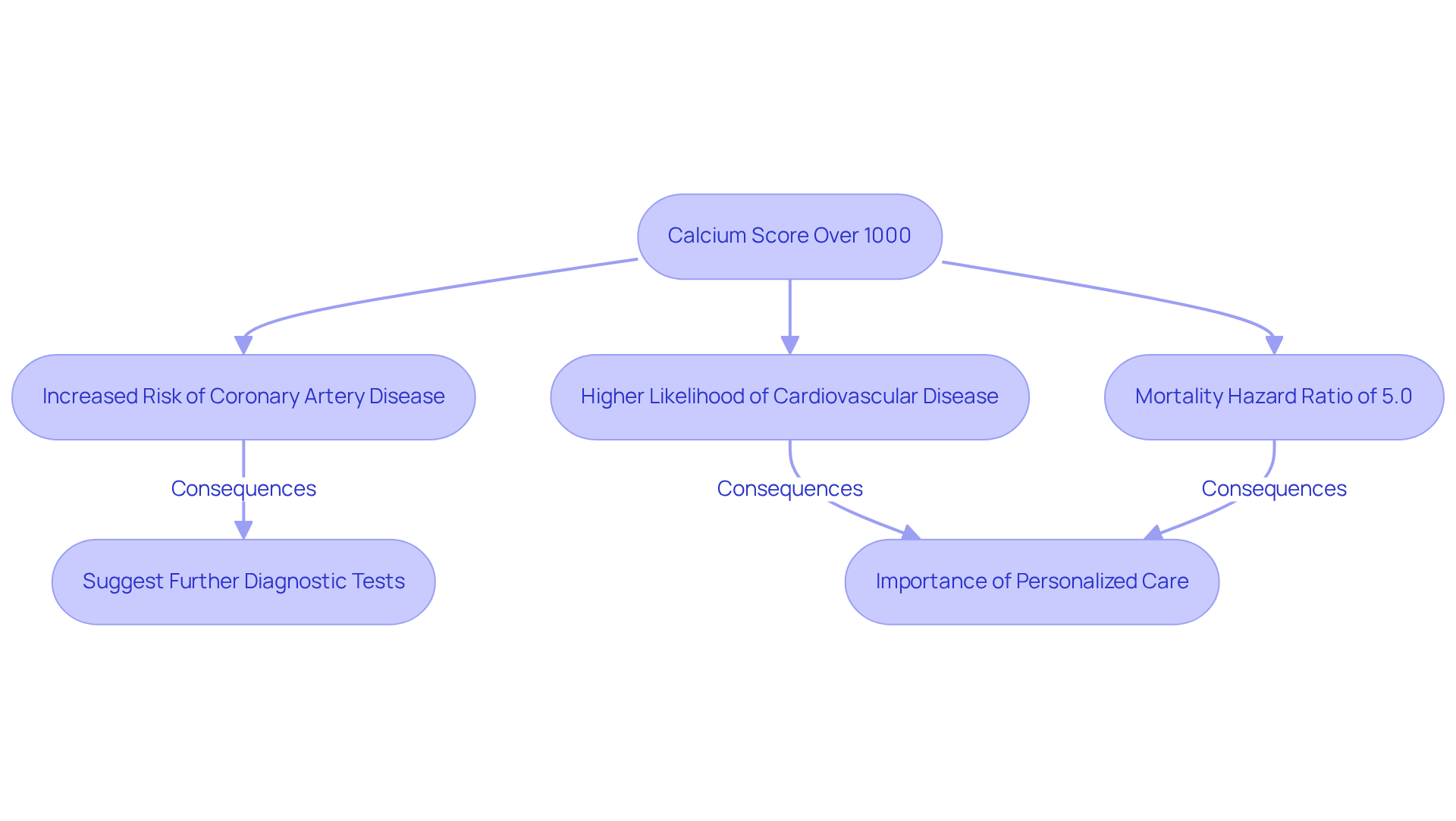
When it comes to your heart health, understanding your is crucial. A indicates a significant amount of calcified plaque, which can greatly increase your chances of developing (CAD) and other cardiovascular issues. Research shows that individuals with these elevated levels face a much higher risk of cardiovascular disease (CVD), coronary heart disease (CHD), and even mortality. In fact, if your calcium score is over 1000, you might be 50% more likely to face serious health challenges compared to those with scores between 300 and 999.
Moreover, those with a have a compared to individuals with a score of 0. This highlights just how serious elevated calcium levels can be. It's important to note that there’s no plateau in mortality risk for a , meaning the danger continues to rise. This increased risk underscores the importance of a thorough evaluation by a healthcare provider. They may suggest further diagnostic tests, like , to check for potential blockages or other complications.
At Amavita, we understand how overwhelming this information can be. That’s why our CardioElite™ program is here to support you. We provide advanced, real-time diagnostic data, AI integration, AHA certification, and 24/7 access to cardiology consultations. This proactive approach empowers you to take charge of your cardiovascular health and significantly enhances the management of high-risk individuals, ultimately reducing hospital readmissions and improving health outcomes.
Recognizing these implications is vital for you as a patient. It allows you to engage in that align with the comprehensive evaluations and advanced imaging capabilities we offer at Amavita Heart and Vascular Health. Remember, you’re not alone in this journey; we’re here to help you every step of the way.
If your calcium score is over 1000, it’s important to take steps to protect your . Here are some key actions you can consider:
By taking these steps, you can actively manage your and reduce the risks linked to a . Remember, a high score serves as a wake-up call, prompting you to take control of your through informed lifestyle choices and medical interventions. You’re not alone in this journey; is available to help you every step of the way.
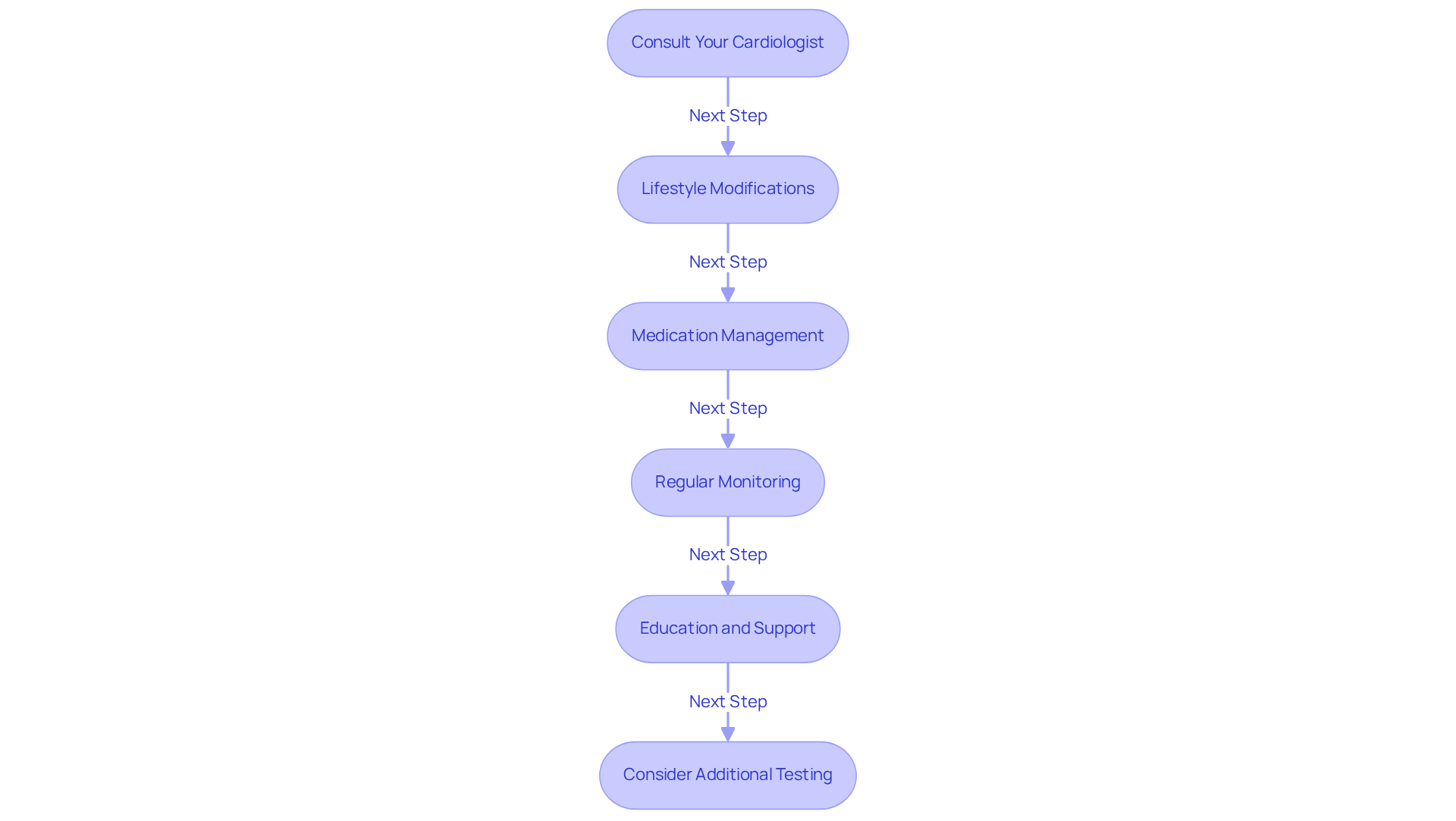
Understanding a calcium score over 1000 is crucial for anyone worried about their heart health. This elevated score not only signals a significant amount of calcified plaque in the coronary arteries but also acts as an important warning for potential cardiovascular diseases. Recognizing what this score means can empower you to take meaningful steps toward improving your heart health through lifestyle changes, medical interventions, and regular check-ups.
Have you ever wondered how a high calcium score might affect your health? Research shows a strong link between high calcium scores and increased risks of serious cardiovascular events. With scores over 1000, the risk of mortality rises significantly, making it essential to connect with healthcare professionals who can provide personalized care strategies. Lifestyle modifications, medication management, and ongoing evaluations are vital in reducing these risks and enhancing your overall cardiovascular wellness.
Ultimately, a calcium score over 1000 should be seen not just as a number, but as a call to action. By prioritizing heart-healthy choices, seeking expert guidance, and staying informed about your cardiovascular health, you can truly change your health journey. Taking these steps not only deepens your understanding of heart health but also highlights the importance of vigilance and proactive management in lowering the risks associated with high calcium levels. Remember, you’re not alone in this journey; support is available, and taking action today can lead to a healthier tomorrow.
What is a calcium score?
A calcium score is a numerical figure derived from a CT scan that measures the amount of calcified deposits in the coronary arteries, indicating the burden of coronary artery disease (CAD).
What does a calcium score indicate about heart health?
A calcium score helps assess the extent of calcification in the coronary arteries, with higher scores indicating a greater burden of CAD and an increased risk of heart attacks and cardiovascular events.
What is the range of calcium scores and their significance?
Calcium scores typically range from 0 to over 1000. A score of 0 means no measurable mineral, while a score over 1000 indicates significant calcification, which is associated with a higher risk of cardiovascular issues.
What are the risks associated with different calcium score ranges?
Individuals with a calcium score of 400 or above have a 6.8% risk of serious cardiovascular incidents, while those with scores between 1 and 399 have a lower risk of 1.9%.
Why is it important to understand your calcium score?
Understanding your calcium score is crucial for identifying who may benefit from proactive preventive measures, such as lifestyle changes or statin therapy, and for regular monitoring of mineral levels to evaluate treatment effectiveness.
How does Amavita Heart and Vascular Health® approach cardiovascular care?
Amavita Heart and Vascular Health® utilizes advanced imaging capabilities to provide comprehensive cardiac assessments tailored to individual needs, particularly for elderly patients, ensuring personalized treatment plans for improved heart health.