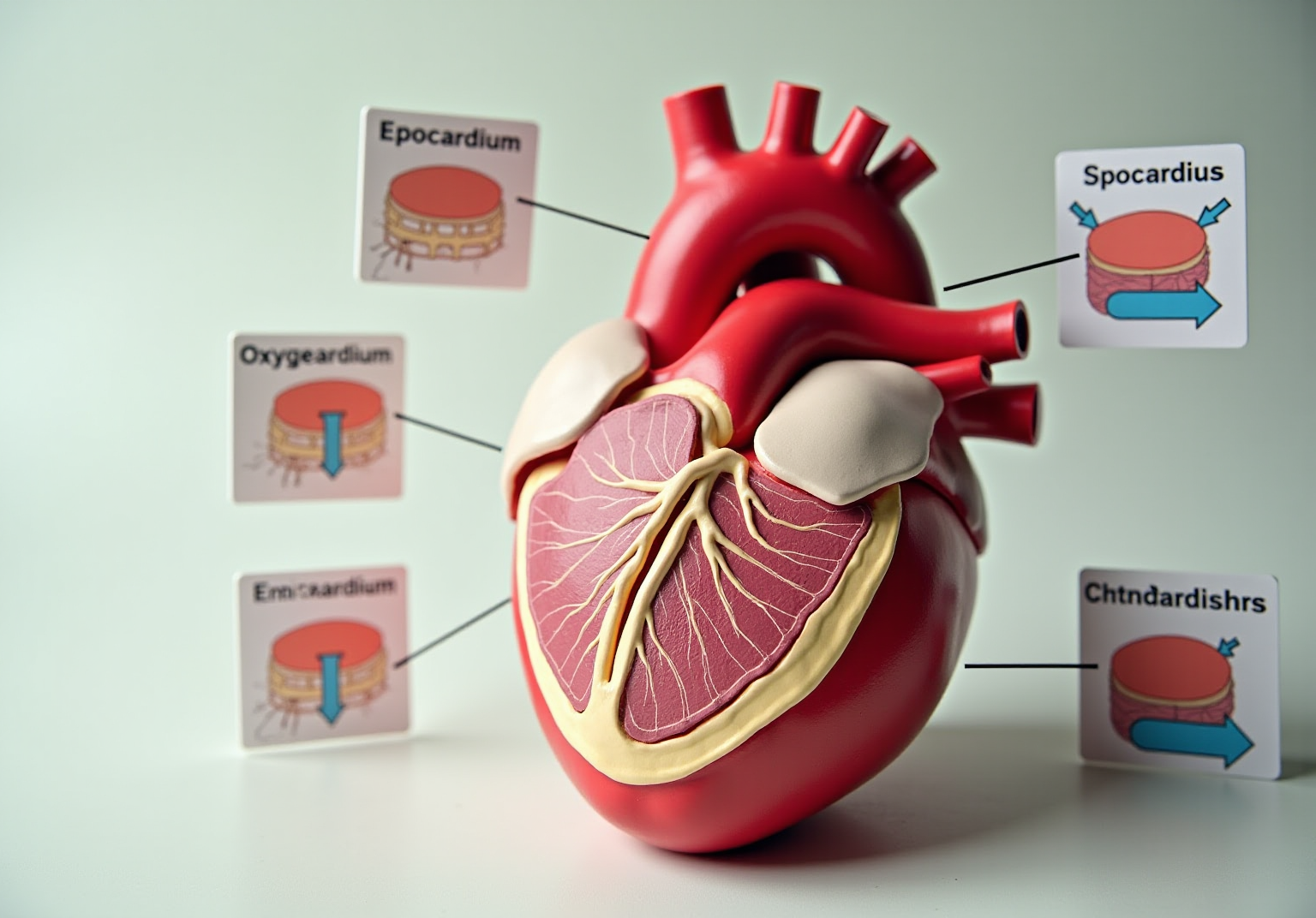


Understanding the structure of the heart is vital for appreciating its essential role in our overall health. The heart's walls - the epicardium, myocardium, and endocardium - are not just anatomical features; they play a crucial role in how our cardiovascular system functions and helps prevent disease. But have you ever wondered how these layers work together to keep your heart healthy? And what happens when they face challenges?
Exploring the significance of the heart walls can provide valuable insights into managing and improving cardiovascular health, especially for those who may be at greater risk. It's important to recognize that understanding these aspects can empower you to take charge of your heart health. Remember, you are not alone in this journey; support is available to help you navigate these concerns.
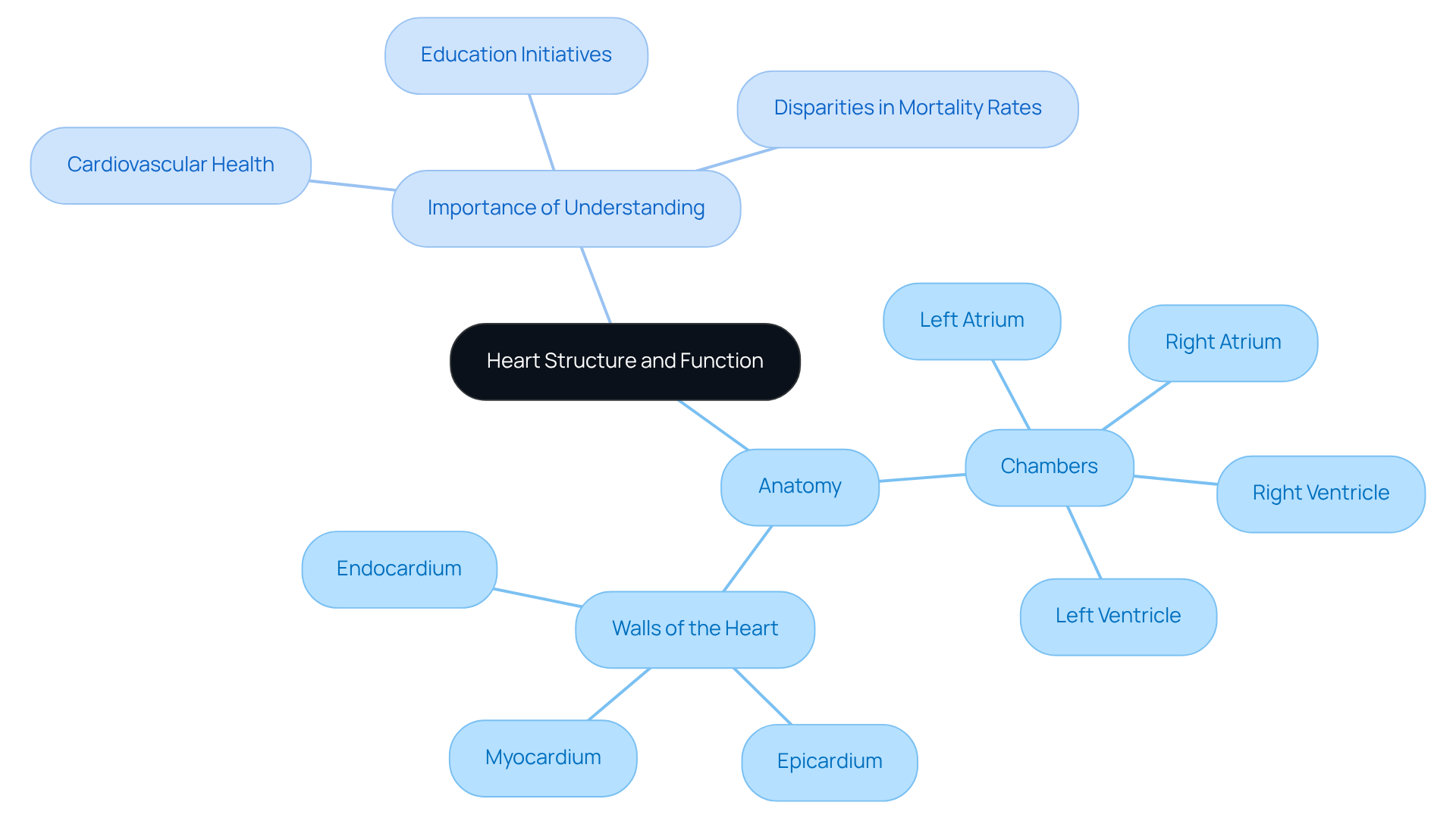
The cardiac muscle, about the size of your fist, is nestled in the thoracic cavity, serving as the body’s essential pump. It circulates fluids, delivering oxygen and nutrients while efficiently removing waste products. This remarkable organ consists of four chambers - the right and left atria, which collect fluid, and the right and left ventricles, which push fluid out. The design of this structure is vital for its function, ensuring that your heart works effectively.
The heart's structure consists of three distinct sections known as the :
Each layer plays a crucial role in keeping the ing well, particularly the myocardium, which generates the force needed to circulate blood through the .
Understanding the is essential for maintaining . It helps you recognize how various conditions can affect . Did you know that cardio is the ? With around 805,000 occurring each year, it’s clear that awareness and education about cardiovascular wellness are vital - especially in skilled nursing facilities where elderly patients may face increased risks.
At Amavita ®, we prioritize comprehensive and preventive strategies to reduce the risk of heart attacks. Our approach combines advanced diagnostic tools with personalized interventions, ensuring that you receive tailored care that addresses your unique conditions and lifestyle goals. We also focus on educational initiatives for seniors, highlighting the importance of understanding cardiac structure in managing wellness. By learning about your heart, you can make informed choices that positively impact your .
Moreover, it’s crucial to address the among different racial and ethnic groups. This highlights the need for customized educational initiatives that resonate with everyone. A well-informed strategy for cardiovascular wellness can lead to better outcomes and an improved quality of life. Remember, you’re not alone in this journey; we’re here to support you every step of the way.
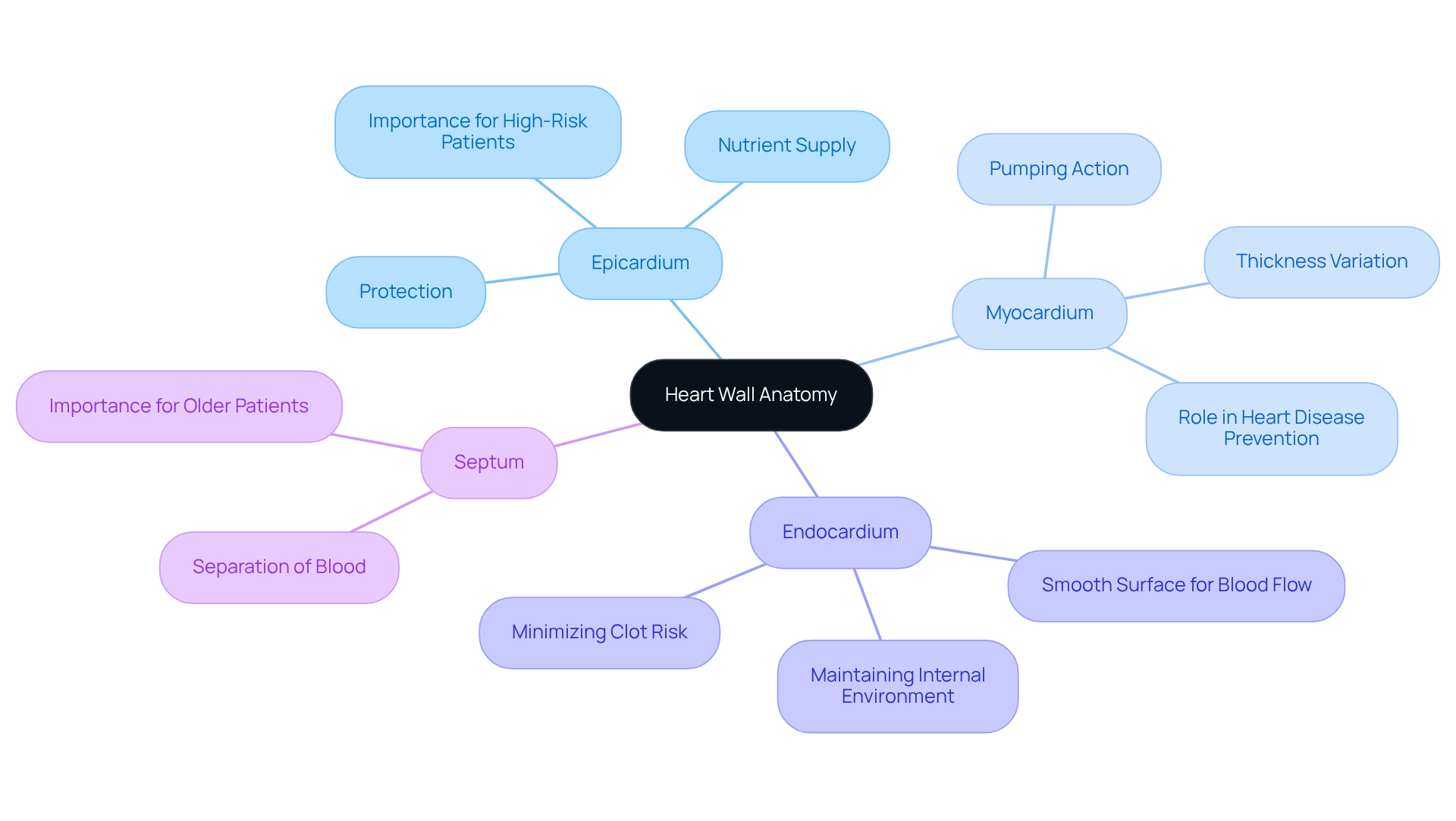
, each playing a vital role in your :
The septum, a muscular barrier, separates the heart into left and right sections, preventing the mixing of oxygen-rich and oxygen-poor blood. Understanding the is particularly important for older patients. Educational programs focusing on cardiac wall anatomy can empower you to take proactive steps in managing your . Caring for each layer is vital for , highlighting the importance of regular check-ups and lifestyle changes.
Recent medical insights underscore the significance of these layers in preventing and managing cardiovascular disease, reinforcing the need for awareness and education among older adults. Amavita's CardioElite™ program further supports this by offering , ensuring you receive the care you need to maintain your heart's wellness.
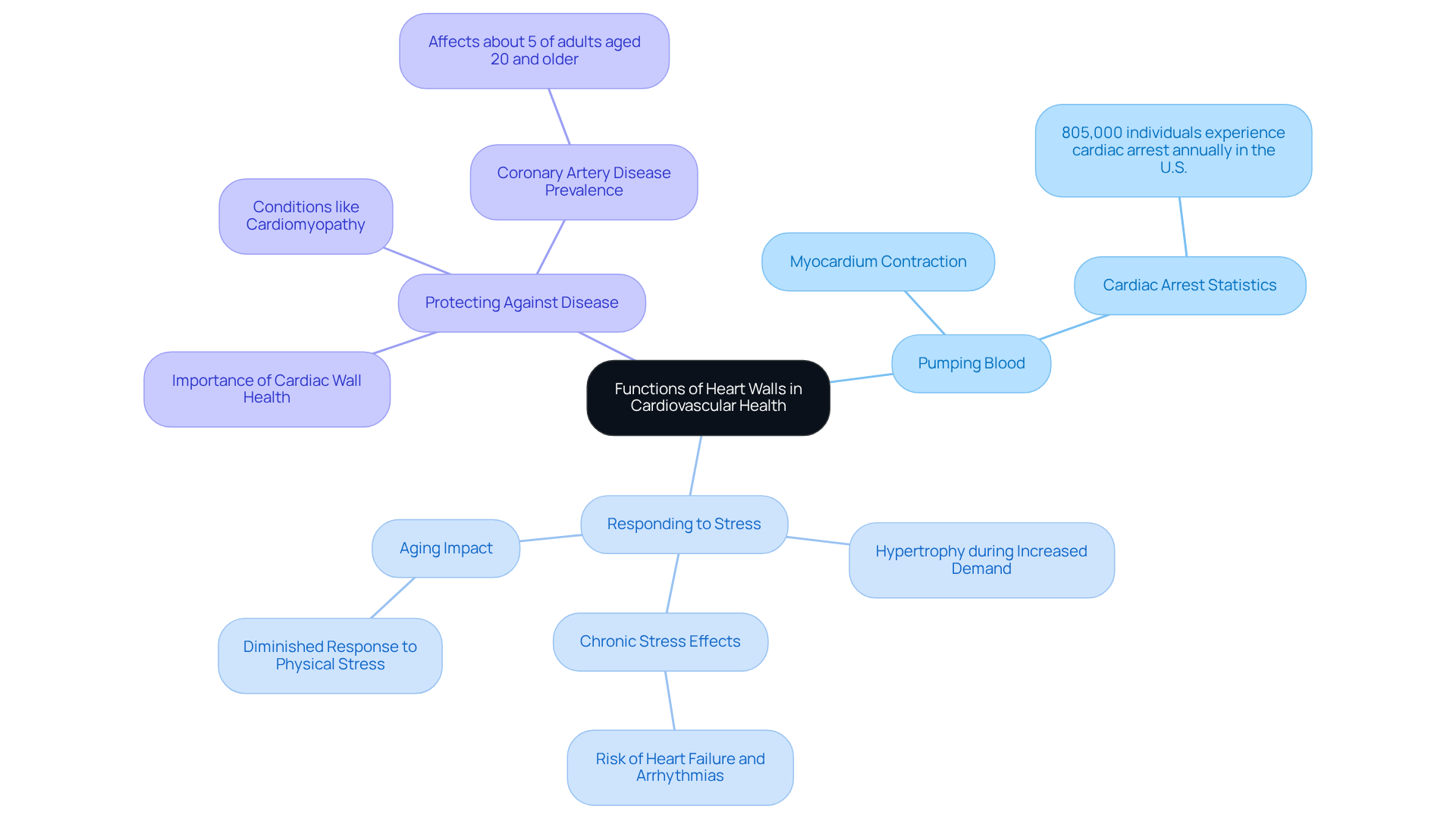
The are crucial in maintaining cardiovascular health, and understanding their functions can help us take better care of ourselves.
The play a vital role in regulating blood flow, ensuring efficient movement through its chambers and valves. This regulation is critical; disruptions can lead to conditions like , which affects about 5% of adults aged 20 and older. It's important to be aware of these risks and take steps to manage them.
Understanding these functions is vital for recognizing how the directly influences overall cardiovascular performance and disease prevention. Remember, taking care of your heart is a journey, and seeking support along the way can make all the difference.
Several conditions can significantly impact the walls of the heart, resulting in serious health implications. Understanding these conditions is crucial for your and overall well-being.
If you have any concerns about your , please don’t hesitate to reach out for support. You deserve to feel your best.
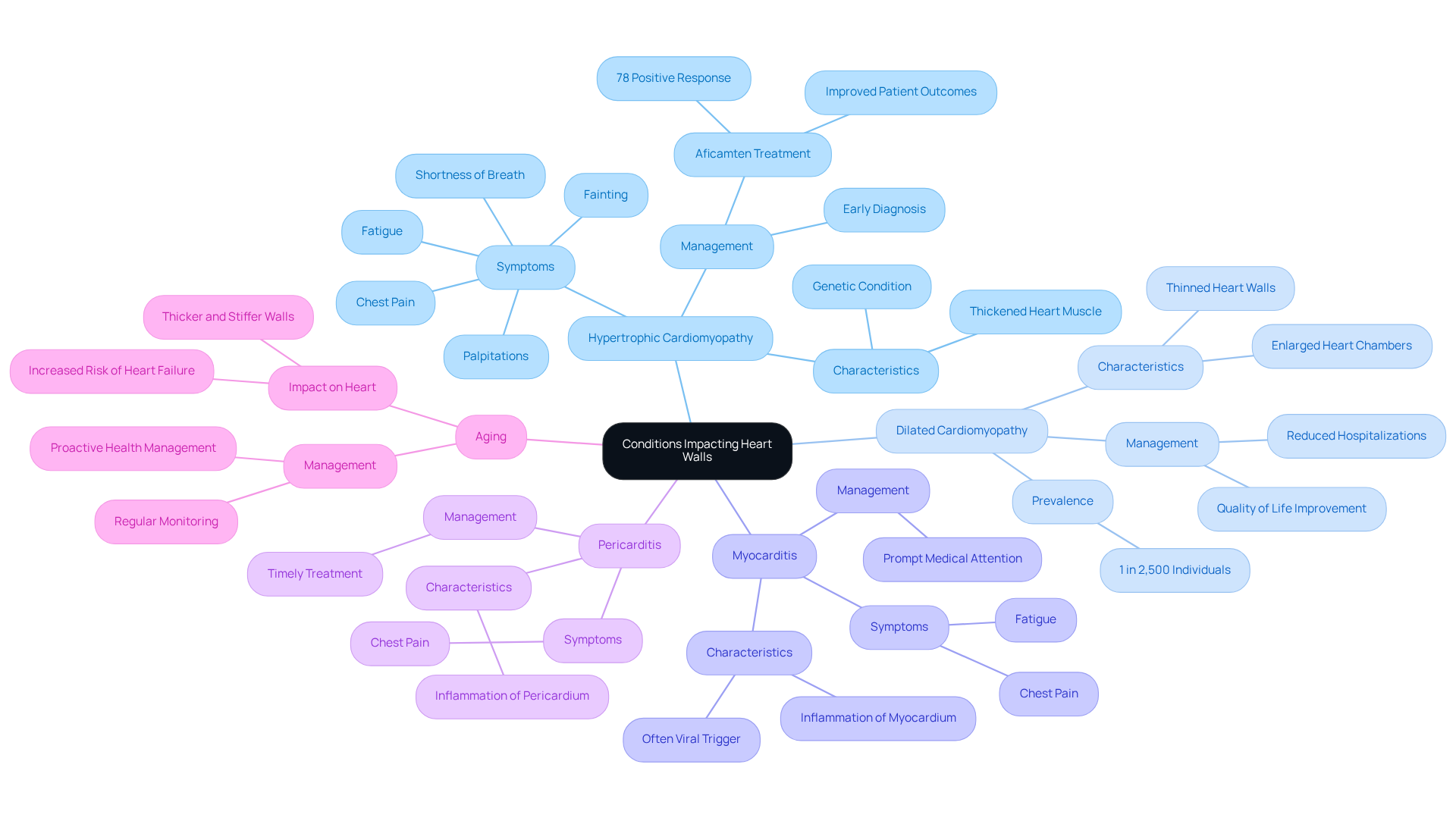
Understanding the walls of your heart is vital for maintaining your overall cardiovascular health. Each layer - the epicardium, myocardium, and endocardium - plays a crucial role in ensuring your heart functions effectively. This, in turn, helps your body circulate blood and respond to various stresses. By recognizing the significance of these structures, you can take meaningful steps to manage your heart health.
Have you ever thought about how the strength of the myocardium is essential for efficient blood pumping? Meanwhile, the epicardium and endocardium work tirelessly to protect and support your heart's internal environment. Conditions like hypertrophic cardiomyopathy and dilated cardiomyopathy highlight the potential risks associated with heart wall health. This underscores the importance of regular monitoring and making lifestyle adjustments to safeguard against these dangers.
Ultimately, prioritizing your heart health means understanding the intricate relationship between your heart's structure and its function. By fostering awareness and education about the heart walls, you can navigate your cardiovascular wellness journey with confidence. Engaging with your healthcare provider and participating in preventive strategies can lead to improved outcomes, ensuring that heart health remains a central focus for a longer, healthier life. Remember, you are not alone on this journey; support is always available.
What is the primary function of the heart?
The heart serves as the body's essential pump, circulating fluids to deliver oxygen and nutrients while efficiently removing waste products.
What are the main components of the heart's structure?
The heart consists of four chambers: the right and left atria, which collect fluid, and the right and left ventricles, which push fluid out.
What are the three layers of the heart, and what is their significance?
The three layers of the heart are the epicardium (outer layer), myocardium (middle muscular layer), and endocardium (inner layer). Each layer plays a crucial role in heart function, particularly the myocardium, which generates the force needed to circulate blood.
Why is understanding the anatomy of the heart important?
Understanding the anatomy of the heart is essential for maintaining cardiovascular health, as it helps individuals recognize how various conditions can affect heart function.
What is the prevalence of cardiovascular disease in the United States?
Cardiovascular disease is the leading cause of death in the United States, with around 805,000 cardiac events occurring each year.
How does Amavita Cardiovascular Health® approach cardiac care?
Amavita Cardiovascular Health® prioritizes comprehensive cardiac assessments and preventive strategies to reduce the risk of heart attacks, combining advanced diagnostic tools with personalized interventions.
What educational initiatives does Amavita focus on for seniors?
Amavita emphasizes educational initiatives that highlight the importance of understanding cardiac structure in managing wellness, particularly for seniors who may face increased risks.
Why is it important to address disparities in cardiovascular disease mortality rates?
Addressing disparities in cardiovascular disease mortality rates among different racial and ethnic groups is crucial for developing customized educational initiatives that resonate with everyone, leading to better health outcomes.
How can individuals positively impact their cardiovascular health?
By learning about their heart and understanding its structure, individuals can make informed choices that positively impact their cardiovascular health.