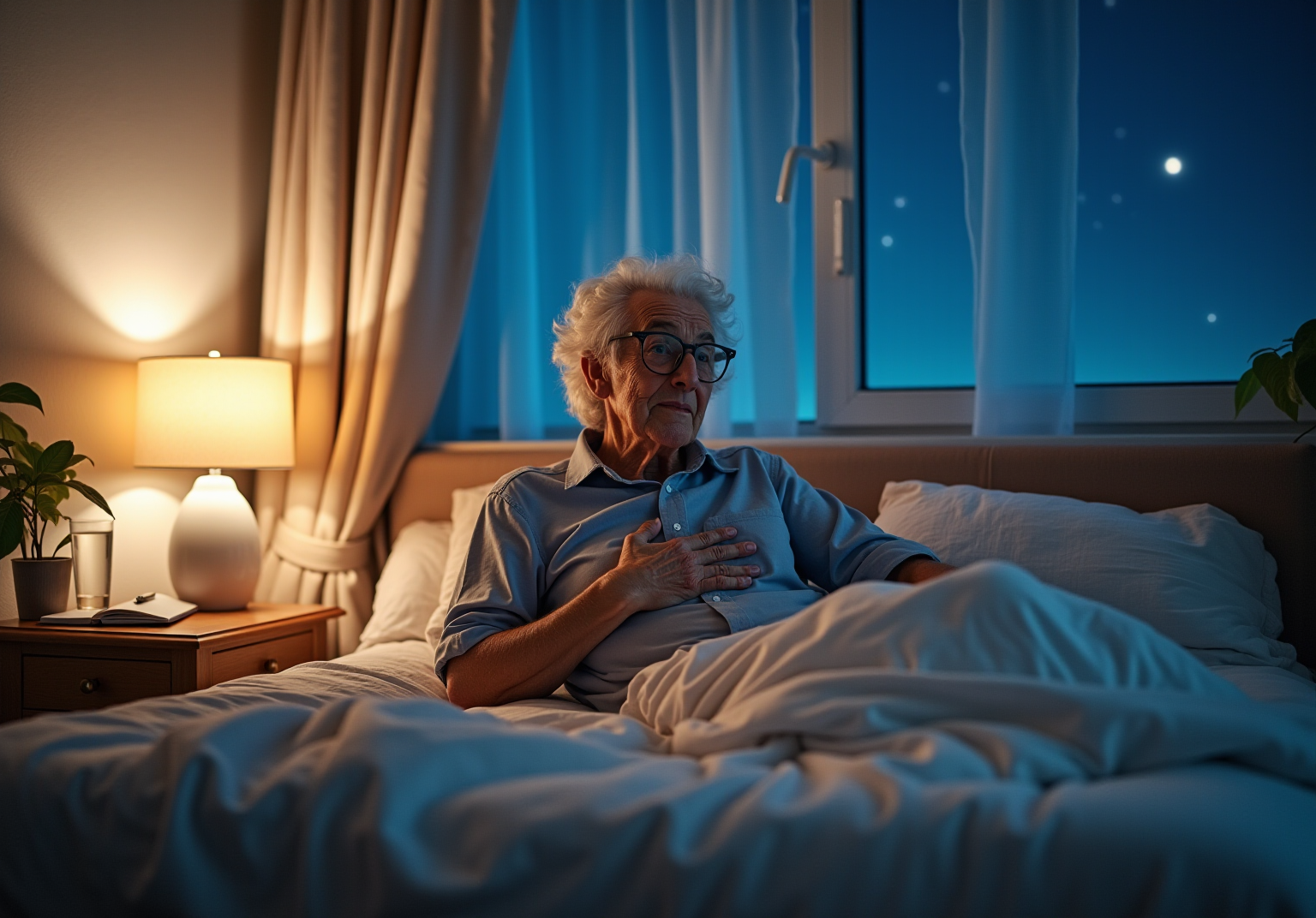


Heart palpitations at night can be unsettling, especially for seniors who may already be facing various health challenges. It’s important to understand what might be causing these sensations. By recognizing the difference between harmless episodes and those that could indicate more serious issues, seniors can feel more in control of their health.
Factors such as stress, lifestyle choices, and existing medical conditions can all contribute to these irregular heartbeats. Identifying what triggers these episodes is key to managing them effectively. Have you ever wondered what might be causing your nighttime disturbances?
Navigating these feelings can be daunting, but you’re not alone. It’s essential to seek support and guidance to safeguard your cardiovascular health. Remember, understanding your body is the first step towards feeling better. If you’re experiencing these sensations, consider reaching out to a healthcare professional who can provide the care and reassurance you deserve.
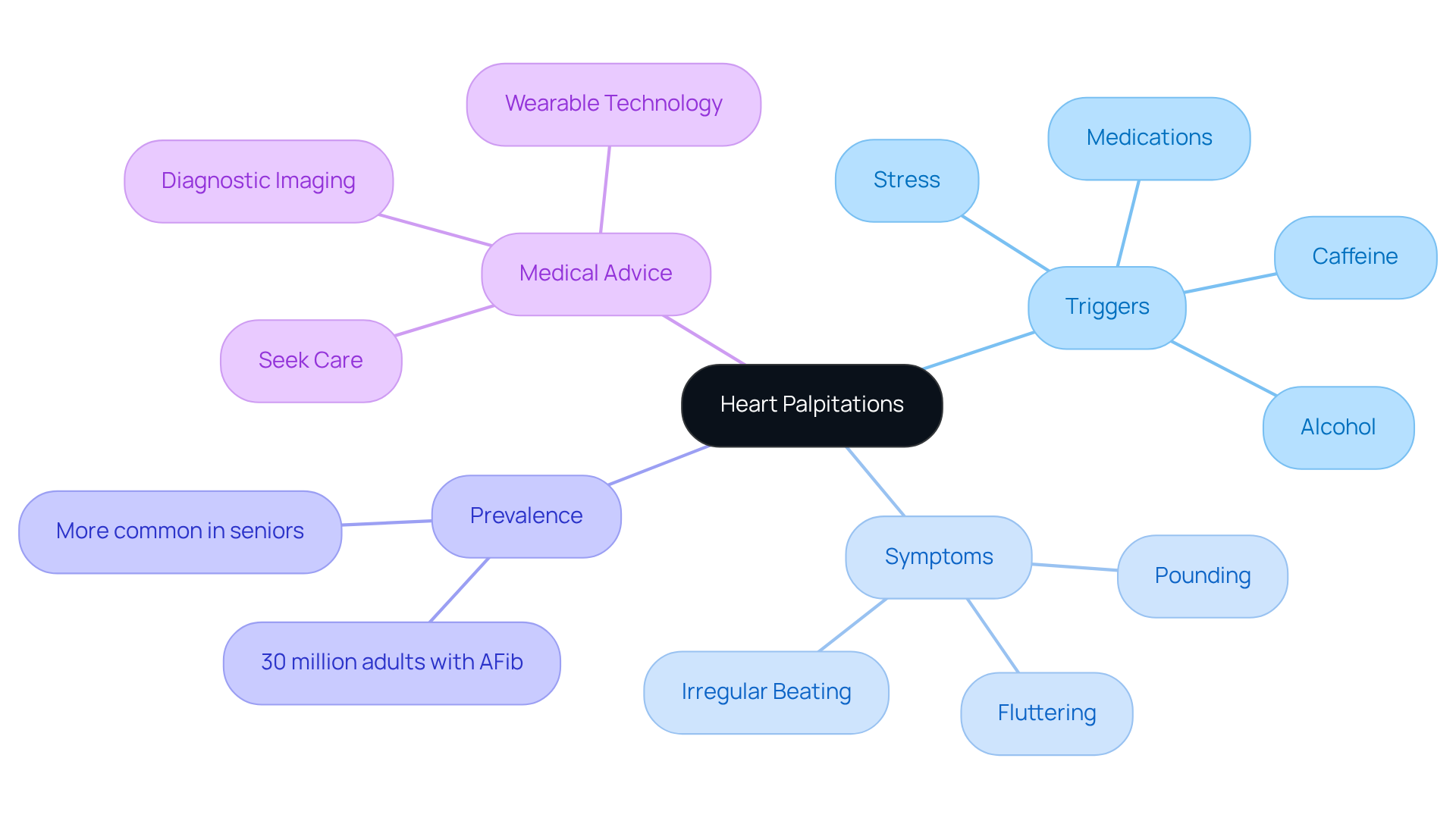
Heart sensations can sometimes feel alarming, prompting concerns about what causes heart palpitations at night, including feelings of pounding, fluttering, or irregular beating. These experiences might happen when you're resting or being active, and they can often come with feelings of anxiety or discomfort. While many of these sensations are harmless, they can be particularly concerning for seniors, who may worry they signal .
Stress, caffeine, alcohol, and certain medications are common triggers for what causes heart palpitations at night. Did you know that nearly 30 million adults in the U.S. suffer from atrial fibrillation (AFib)? This condition can manifest as irregular heartbeats and is more prevalent among older individuals. For seniors, understanding what causes heart palpitations at night is crucial, as it helps distinguish between harmless heartbeats and those that may need medical attention.
Cardiologists remind us that while occasional palpitations are common, persistent or severe cases should be evaluated to rule out any underlying conditions. At Amavita Heart and Vascular Health, our specialists are here to help. We use advanced diagnostic imaging to identify potential issues, ensuring that high-risk patients receive the targeted cardiovascular care they need. This includes thorough evaluations and treatment monitoring to assess how well cardiac interventions are working.
As Dr. Gregory M. Marcus points out, "With the increasing use of consumer wearables intended to identify atrial fibrillation alongside safer and more effective methods to address it, this current prevalence of atrial fibrillation in medical environments may soon be overshadowed by future medical utilization that will arise due to the condition."
By understanding these triggers and symptoms, seniors can feel empowered to seek appropriate care and protect their cardiovascular health. Remember, you’re not alone in this journey; we’re here to support you every step of the way.
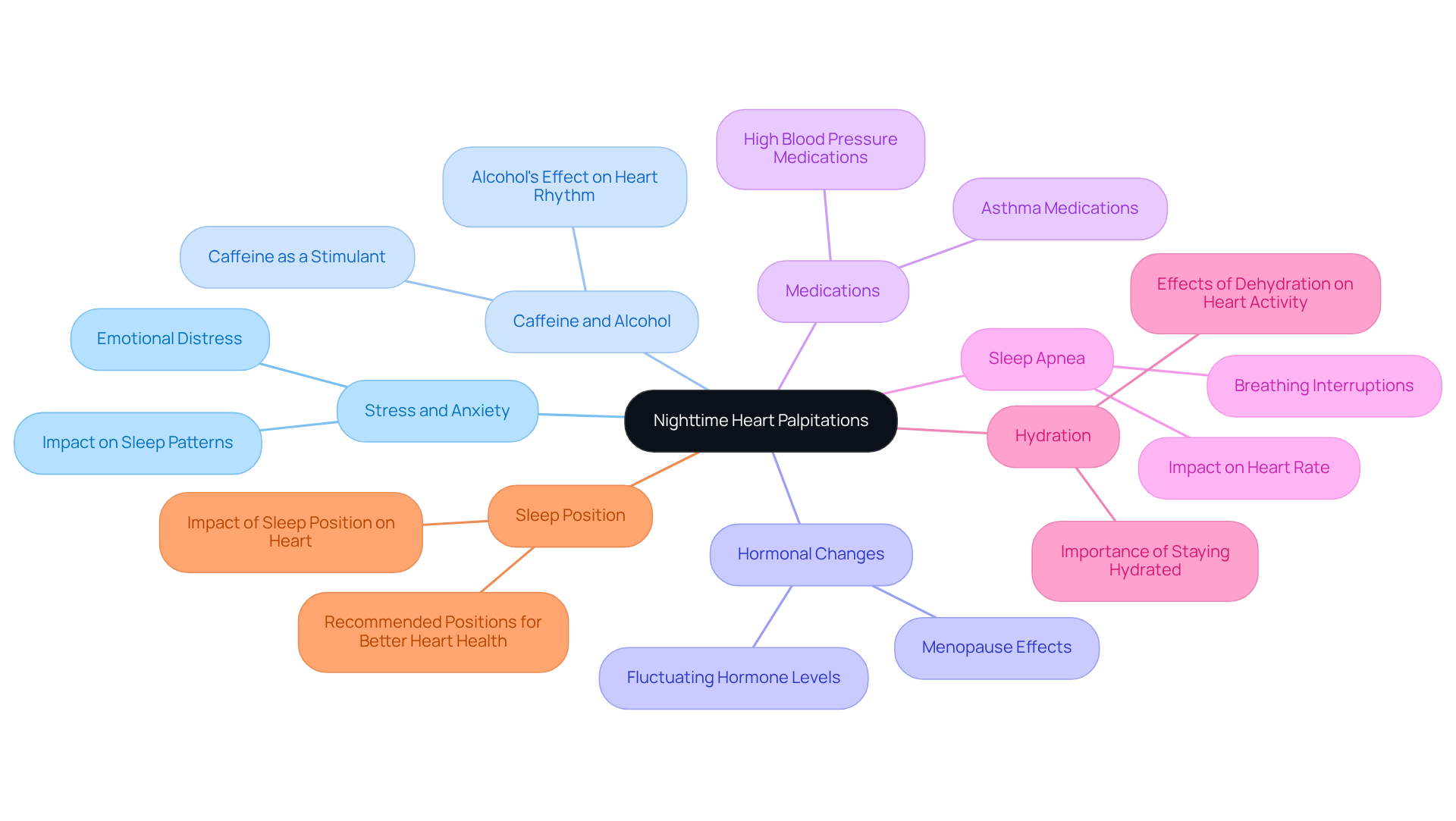
Nighttime heart palpitations can be concerning, and it’s important to understand what causes heart palpitations at night. Here are some common factors that could be at play:
Understanding these factors can empower you to make that may help you address what causes heart palpitations at night. Remember, you’re not alone in this journey, and seeking support can lead to improved cardiovascular well-being.
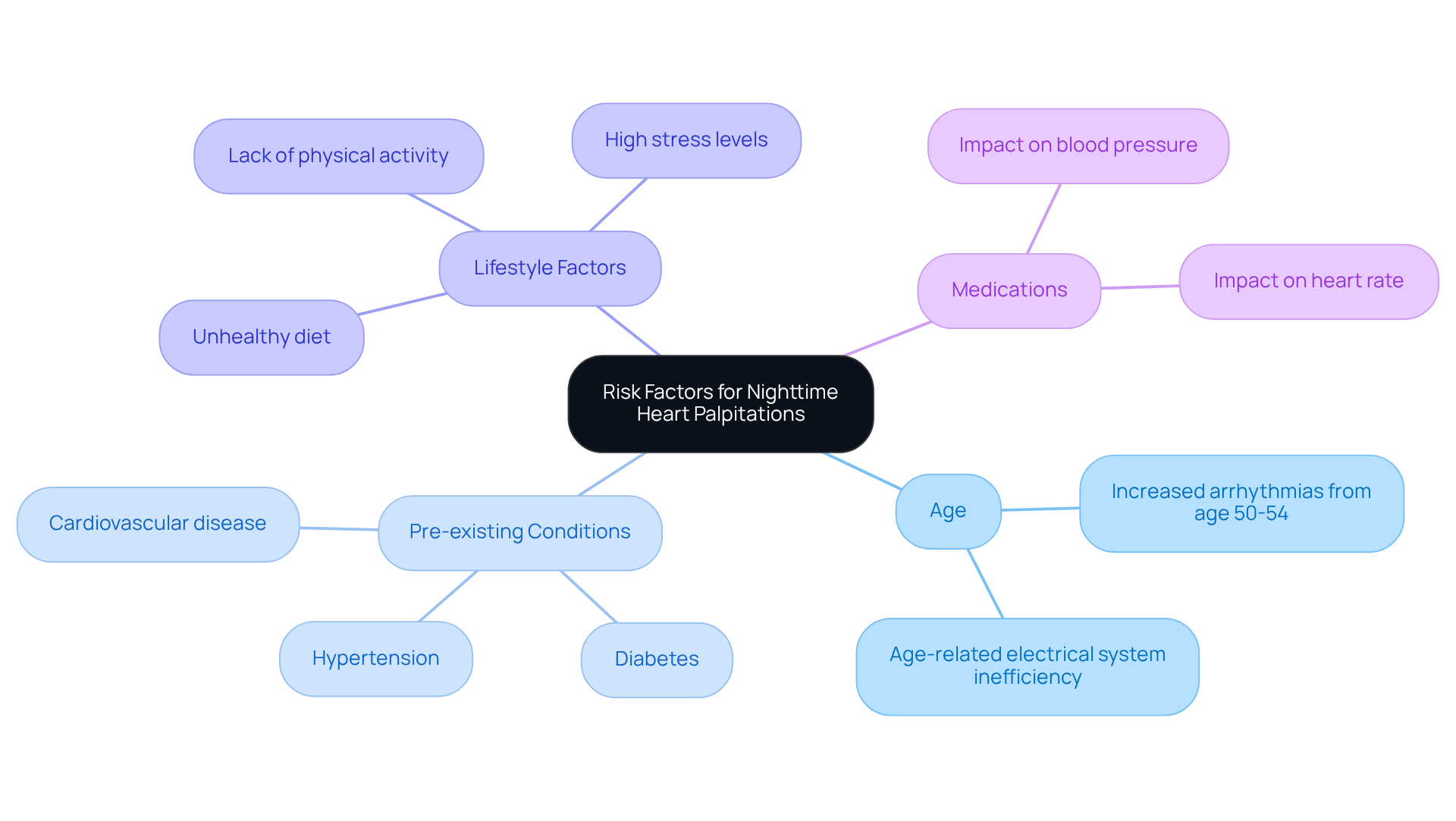
Several risk factors can significantly increase what causes heart palpitations at night, particularly for seniors.
By identifying these risk factors, seniors can engage in meaningful conversations with their healthcare providers about monitoring and managing their cardiovascular condition effectively. Dr. Amit Moses reminds us that 'the organ frequently displays subtle signals before more severe problems occur.' This makes awareness and early intervention vital for preserving cardiovascular well-being in older adults.
While many irregular beats may seem harmless, they can sometimes indicate more , especially for seniors. At Amavita Cardiovascular and Vascular Health, we understand that high-risk patients - like those with diabetes, hypertension, or a family history of cardiovascular illness - face unique challenges.
If you’re a senior experiencing frequent or severe palpitations, it’s important to consult your healthcare provider to understand what causes heart palpitations at night. This way, you can rule out serious conditions and discuss appropriate management strategies. At Amavita, our advanced imaging capabilities and comprehensive evaluations ensure that you receive targeted cardiovascular care tailored to your needs. Remember, you’re not alone in this journey; we’re here to support you every step of the way.
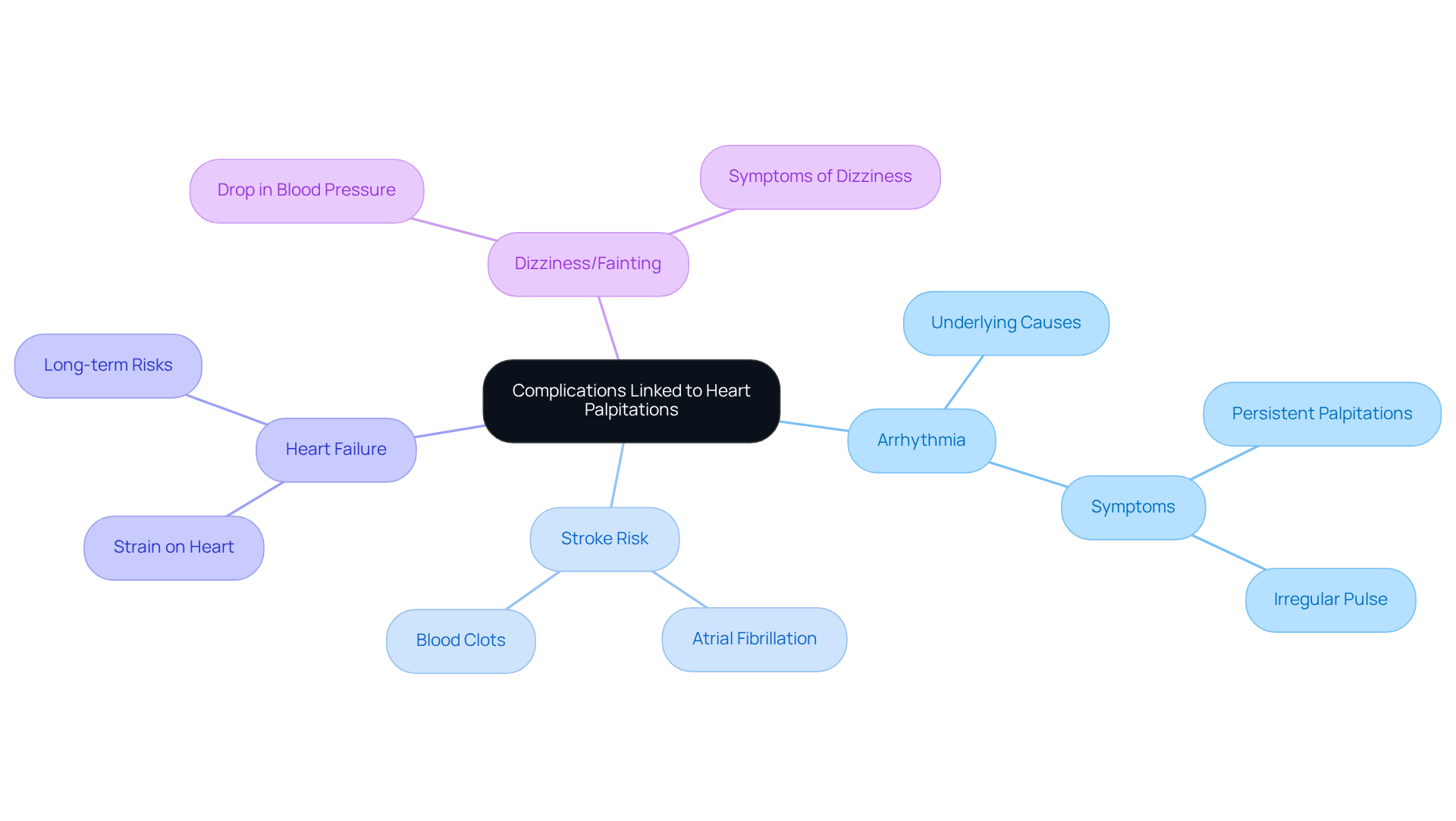
Understanding what causes heart palpitations at night is essential, especially for seniors who may feel anxious about these sensations. Many factors can contribute to these irregular heartbeats, such as:
Recognizing that occasional palpitations are often benign can help ease concerns. It’s crucial to differentiate between harmless occurrences and those that may signal more serious health issues.
Consider the importance of lifestyle choices. Managing stress, moderating caffeine and alcohol intake, and staying hydrated can significantly impact heart health. Furthermore, understanding risk factors - like age, pre-existing conditions, and certain medications - can empower seniors to engage in proactive conversations with their healthcare providers. Regular monitoring and early intervention are vital for maintaining cardiovascular well-being.
Ultimately, awareness and education about heart palpitations can lead to better health outcomes. Seniors should feel encouraged to seek medical advice when experiencing frequent or severe palpitations. This ensures they receive the appropriate care. By taking control of their heart health, seniors can lead more confident and informed lives, reducing anxiety and enhancing their overall quality of life.
Have you considered discussing your heart health with a doctor? Taking that step can make a world of difference.
What are heart palpitations?
Heart palpitations are sensations of pounding, fluttering, or irregular beating of the heart that can occur while resting or being active. They may be accompanied by feelings of anxiety or discomfort.
What causes heart palpitations at night?
Common triggers for heart palpitations at night include stress, caffeine, alcohol, and certain medications.
Are heart palpitations serious?
While many heart palpitations are harmless, they can be concerning, especially for seniors who may worry they signal serious health issues.
How prevalent is atrial fibrillation (AFib) among adults?
Nearly 30 million adults in the U.S. suffer from atrial fibrillation (AFib), a condition that can manifest as irregular heartbeats and is more common in older individuals.
When should someone seek medical attention for heart palpitations?
Occasional palpitations are common; however, persistent or severe cases should be evaluated by a medical professional to rule out any underlying conditions.
How can specialists help with heart palpitations?
Specialists can use advanced diagnostic imaging to identify potential issues and provide targeted cardiovascular care, including thorough evaluations and treatment monitoring.
What role do consumer wearables play in detecting heart conditions?
Consumer wearables are increasingly used to identify atrial fibrillation, and they may lead to more effective methods for addressing the condition in the future.
How can seniors empower themselves regarding heart health?
By understanding the triggers and symptoms of heart palpitations, seniors can feel empowered to seek appropriate care and protect their cardiovascular health.