


A transthoracic echocardiogram (TTE) is a vital tool in today’s cardiovascular diagnostics, providing a non-invasive look into the heart's complex functions. This advanced ultrasound technology not only helps identify various heart conditions but also plays a significant role in guiding treatment decisions for patients. With heart disease being so common and the intricacies of cardiac health, it’s natural to feel concerned. How can understanding the nuances of TTE empower you to take charge of your heart health and ensure timely interventions?
Understanding TTE can be a game-changer. It allows you to see how your heart is functioning, which can lead to early detection of potential issues. This knowledge can be incredibly reassuring, helping you feel more in control of your health. In addition to this, being informed about your heart health can foster a proactive approach, encouraging you to engage in discussions with your healthcare provider about your concerns and treatment options.
Remember, you’re not alone in this journey. Many individuals share similar worries about their heart health, and seeking clarity through TTE can provide peace of mind. It’s essential to prioritize your heart health, and understanding TTE is a step in the right direction. So, why not take that step today? Reach out to your healthcare provider to learn more about how TTE can benefit you.
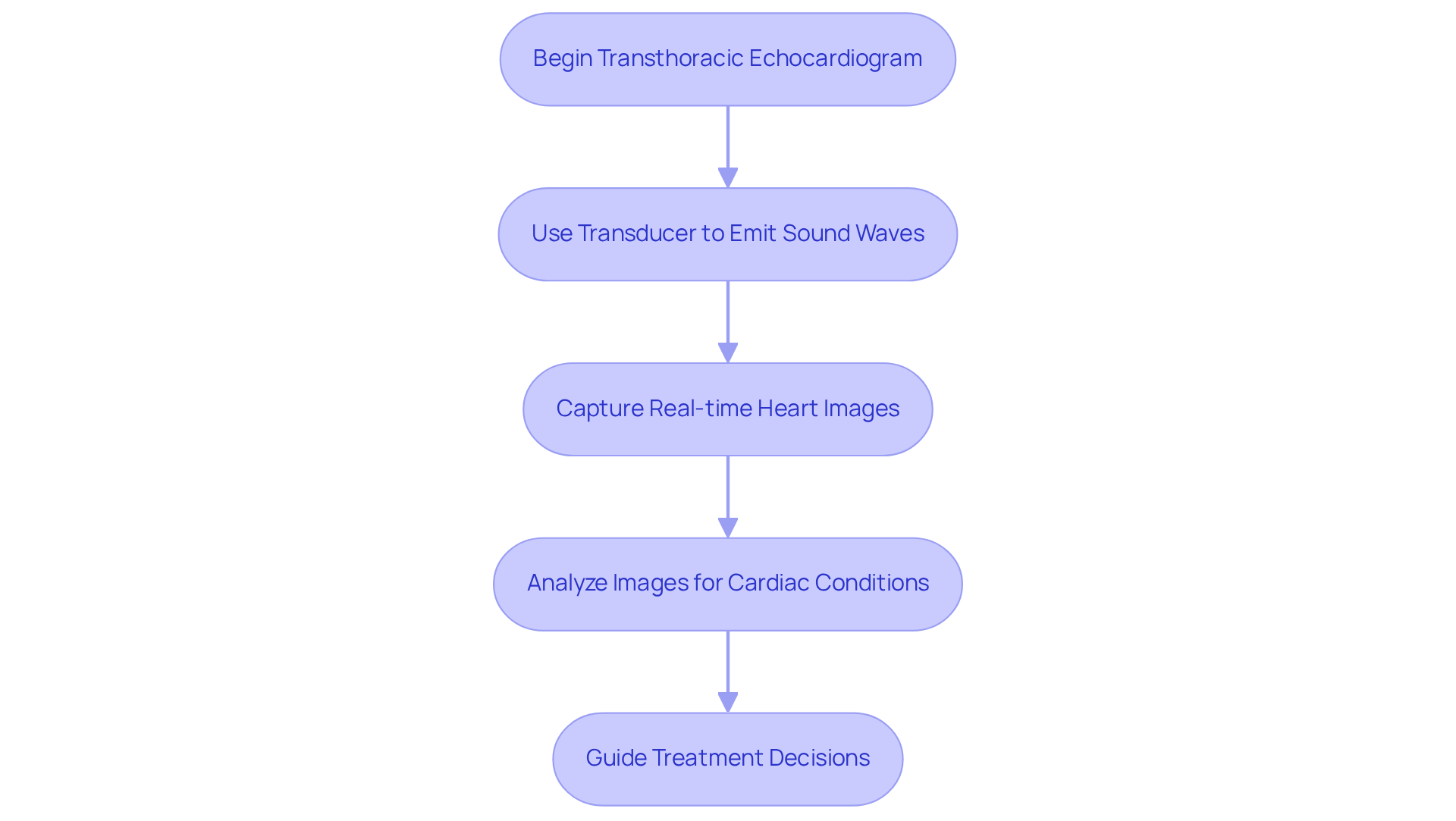
A (TTE) is a gentle, non-invasive diagnostic examination that uses to create real-time images of your heart. What is a ? It is the most common type of echocardiogram that helps healthcare providers evaluate your heart's structure and function without the need for invasive procedures.
During the test, a small device called a transducer emits sound waves that bounce off your heart, creating detailed images. These images can help identify various , such as , muscle dysfunction, and . Did you know that recent studies show significant abnormalities are found in about 27% of individuals with ? This highlights just how important what is a is in clinical practice.
This technology not only assists in diagnosing conditions but also plays a crucial role in . It’s an essential tool in , ensuring you receive the best possible support. If you have any concerns about your , don’t hesitate to reach out for help. Remember, you’re not alone in this journey; we’re here to support you every step of the way.
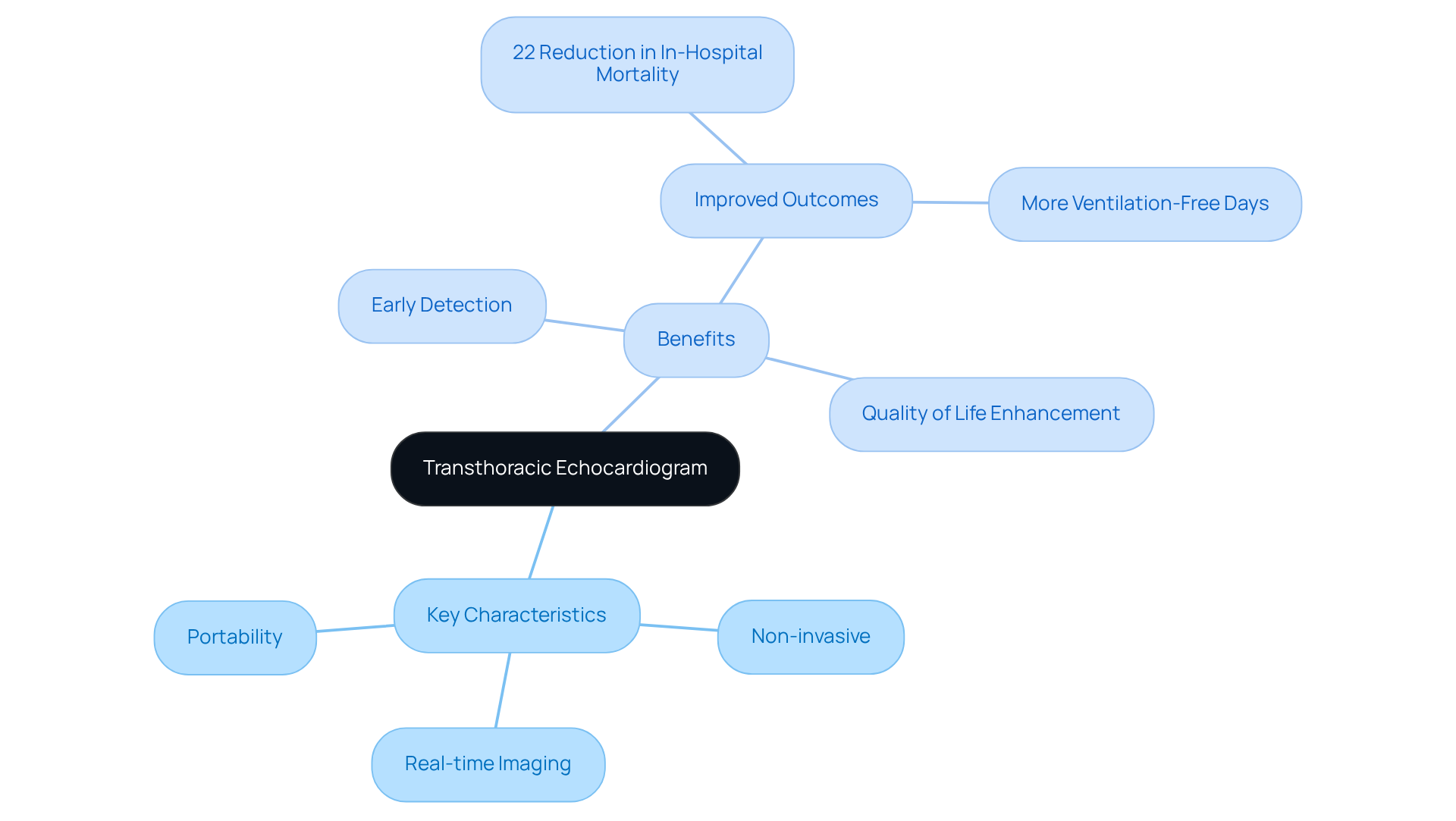
To understand what is a , it is important to note that these tests are essential for your , offering crucial insights into how your heart functions and its structure. These are especially beneficial for elderly patients, who often face various health challenges that make invasive diagnostics risky.
What is a ? It is widely used to identify conditions like , valve disorders, and congenital cardiovascular defects, helping ensure that you receive prompt and effective treatment.
But the benefits of TTE extend beyond just initial diagnosis. They play a vital role in tracking the progression of and assessing how well treatments are working. Did you know that nearly 48% of physicians adjust treatment plans based on echocardiogram findings? This flexibility is particularly important for older adults, who may need frequent adjustments to their care plans as their health changes.
What is a ? It can also detect serious issues such as left ventricular dysfunction and , which are common among seniors. In fact, a study involving centenarians found that 81% had . This highlights the importance of regular echocardiographic assessments for this age group. The ability of what is a transthoracic echocardiogram to reveal structural changes in the cardiovascular system, like valve irregularities and chamber enlargement, further emphasizes its role in the early detection and management of heart disease.
At Amavita, we enhance the value of TTE through our , which integrate advanced diagnostic tools, including a thorough biomarker panel and AI-powered cardiac analysis. These programs not only focus on but also address the broader cardiovascular challenges faced by skilled nursing facilities, such as managing complex comorbidities and ensuring timely interventions. By combining TTE with our innovative services, we aim to reduce hospital readmissions and improve health outcomes, ultimately supporting your longevity and quality of life.
If you have concerns about your heart health, please reach out to us. We’re here to help you navigate your health journey with compassion and understanding.
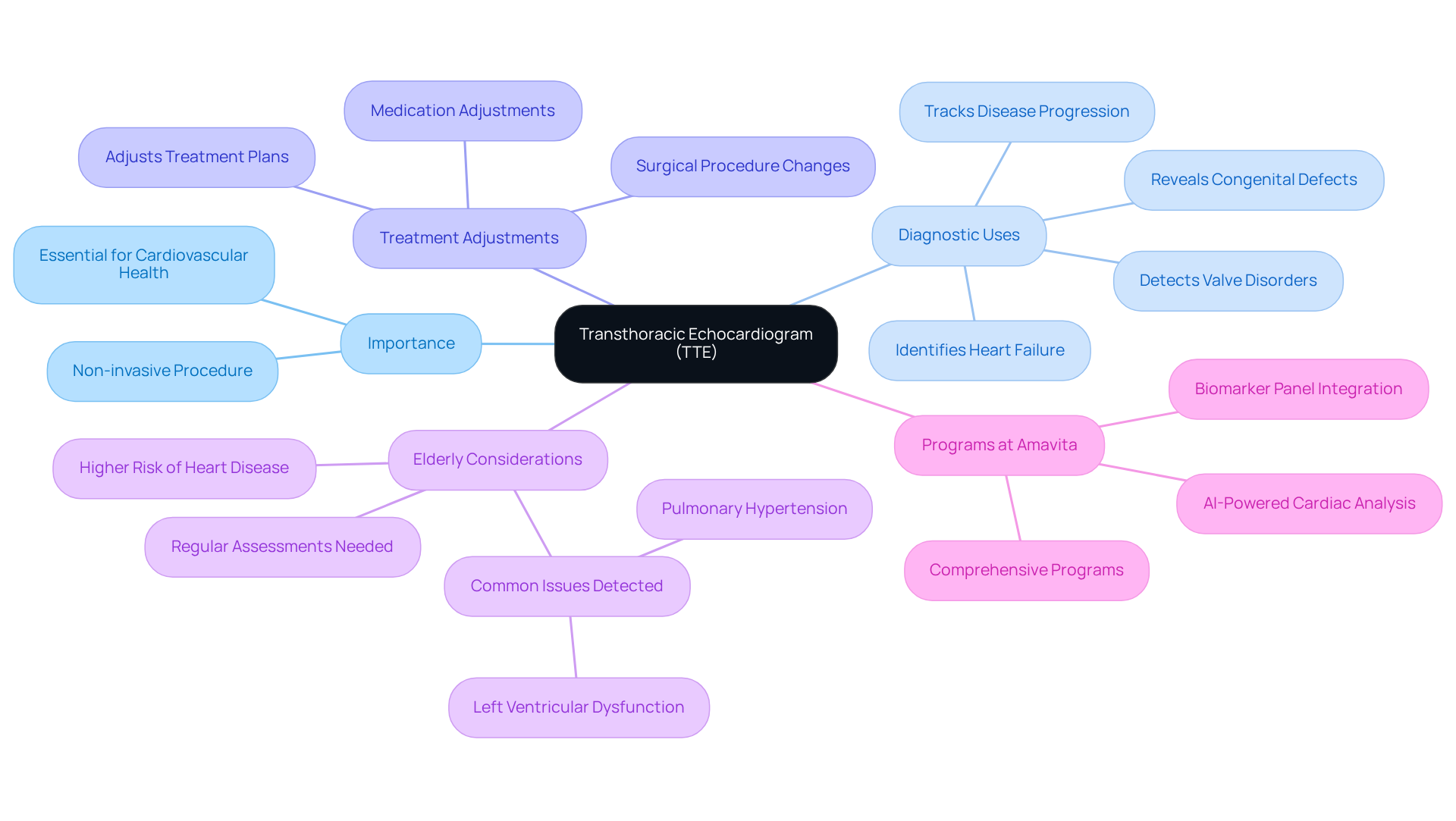
If you're preparing for what is a (TTE), you’ll be relieved to know that there’s generally no need for special preparations. You can eat and drink normally before the procedure, which is a comforting thought for many. This test is particularly beneficial for those at , such as individuals with:
It’s also a great option for anyone experiencing .
Furthermore, if you’re looking for a thorough health screening, you might ask what is a , as it can provide a and help of any treatments you may be undergoing. During the procedure, you’ll lie comfortably on an examination table while a technician applies a gentle gel to your chest. This gel helps sound waves travel smoothly, allowing the transducer to capture images of your heart from different angles. The entire process typically lasts between 30 to 60 minutes and is completely painless.
After your TTE, you can return to your right away—there are no restrictions or recovery time needed. At Amavita, we pride ourselves on integrating into a personalized care plan, addressing your with compassion and understanding. Remember, we’re here to support you every step of the way.
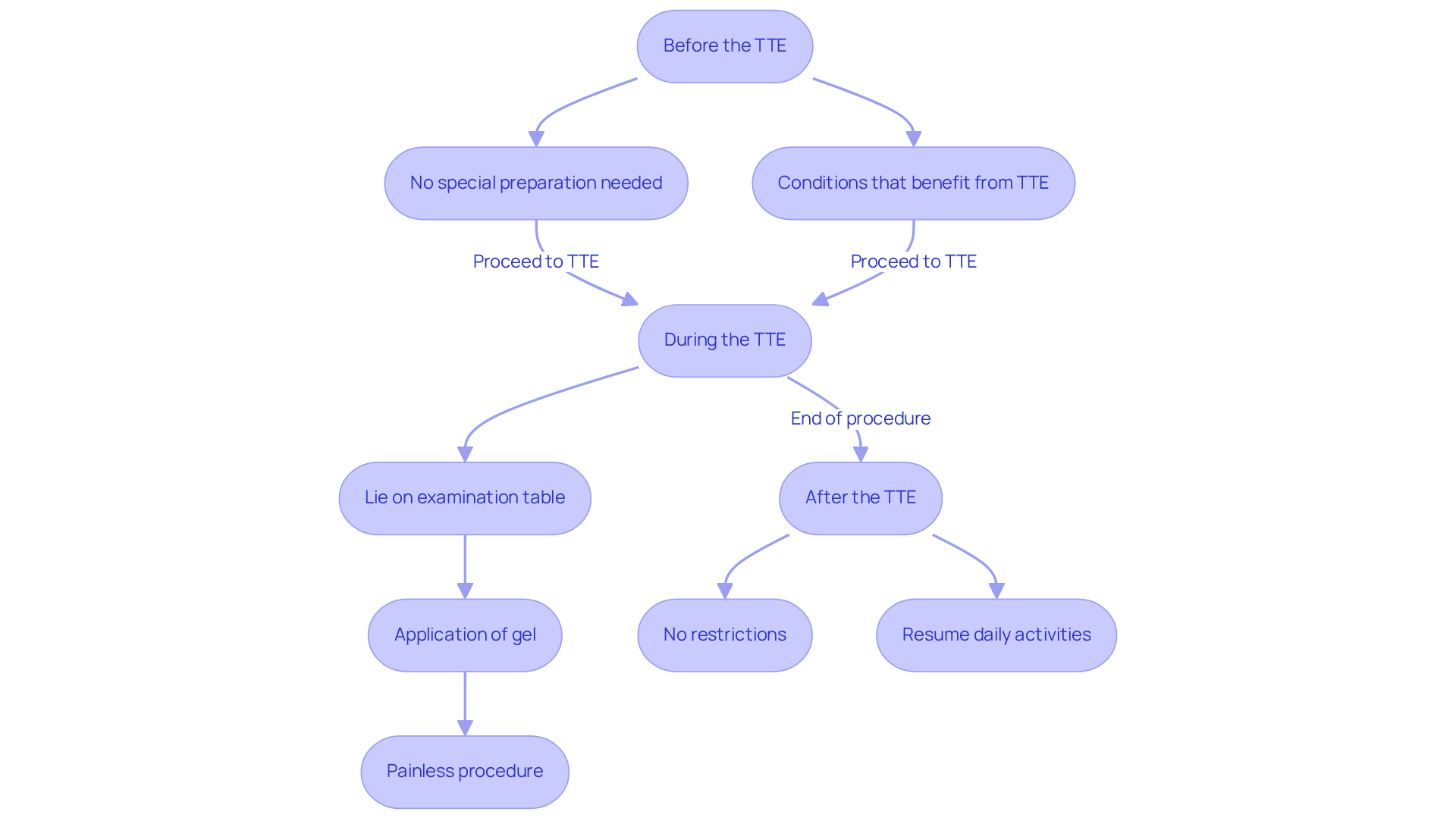
What is a ? It is truly a cornerstone of cardiac diagnostics, celebrated for its non-invasive nature and safety. This procedure provides real-time imaging of the heart, allowing healthcare providers to assess vital parameters like size, function, and blood flow. These evaluations are essential for diagnosing various cardiac conditions, including heart failure and valvular diseases. With TTE's portability and widespread availability, it becomes a practical option for many individuals, especially our elderly loved ones.
One of the most significant advantages of TTE is its ability to facilitate , a critical component of Amavita's CardioElite™ program. This program emphasizes , integrating advanced diagnostic tools and AI to enhance proactive care for individuals. Studies show that can significantly improve outcomes, with adjusted odds ratios indicating a for those receiving early TTE during mechanical ventilation. This early intervention is crucial, as timely management can lead to a and prolonged survival.
Real-life examples highlight the effectiveness of TTE in clinical practice. For instance, a retrospective study revealed that individuals who underwent early TTE enjoyed more ventilation-free days and reduced reliance on vasopressors compared to those who did not receive the procedure. Such outcomes underscore the positive impact of TTE on healthcare, particularly for elderly individuals who may face greater risks associated with delayed diagnosis and treatment. Overall, the benefits of what is a extend beyond mere diagnostics; they play a pivotal role in enhancing heart health and improving the quality of life for patients, aligning with Amavita's commitment to reducing readmissions and improving cardiac services.
If you or a loved one are concerned about heart health, don’t hesitate to reach out for support. Early detection can make all the difference.
A transthoracic echocardiogram (TTE) is more than just a procedure; it’s a vital, non-invasive tool that offers crucial insights into your heart health. By creating real-time images of your heart's structure and function, TTE helps identify various cardiac conditions and guides treatment decisions. This means you can receive care that’s tailored specifically to your needs.
Have you ever wondered how early detection can change your health journey? TTE plays a significant role in catching heart issues early, monitoring disease progression, and adapting treatment plans effectively. In fact, nearly half of physicians adjust their approaches based on echocardiogram findings. This highlights just how valuable TTE is in managing cardiovascular health. Plus, its safety, comfort, and accessibility make it especially beneficial for vulnerable populations, like the elderly, who may face greater risks associated with heart disease.
Given the critical role that transthoracic echocardiograms play in enhancing heart health, it’s essential to prioritize regular screenings and consultations with your healthcare provider. Early detection through TTE can lead to improved outcomes and a better quality of life. By emphasizing proactive heart health management, you not only support your well-being but also contribute to a broader understanding of cardiovascular care in your community.
So, why wait? Reach out to your healthcare provider today to discuss the importance of TTE and how it can benefit you. Remember, taking charge of your heart health is a step towards a brighter, healthier future.
What is a transthoracic echocardiogram (TTE)?
A transthoracic echocardiogram (TTE) is a non-invasive diagnostic examination that uses ultrasound technology to create real-time images of the heart, helping healthcare providers evaluate its structure and function.
How does a TTE work?
During a TTE, a small device called a transducer emits sound waves that bounce off the heart, creating detailed images that can identify various cardiac conditions.
What conditions can a TTE help identify?
A TTE can help identify conditions such as valve abnormalities, muscle dysfunction, and congenital defects.
Why is a TTE important in clinical practice?
TTE is important because it can reveal significant abnormalities in about 27% of individuals with normal electrocardiograms, highlighting its role in diagnosing heart conditions and guiding treatment decisions.
Is a TTE a painful procedure?
No, a TTE is a gentle and non-invasive procedure, meaning it does not involve any pain or discomfort.
Who should consider getting a TTE?
Individuals who have concerns about their heart health or are experiencing symptoms related to cardiac conditions should consider discussing a TTE with their healthcare provider.