


Understanding the nuances of a cardiac diet is essential, especially when heart disease is a leading health concern. This dietary approach emphasizes nutrient-rich foods and aims to reduce the risks associated with cardiovascular issues. By exploring the key principles and components of a cardiac diet, you can discover how simple dietary changes can significantly enhance your heart health.
But with so much conflicting information about what truly constitutes a heart-healthy diet, it’s natural to feel overwhelmed. How can you navigate these complexities to make informed choices that genuinely benefit your cardiovascular well-being? Remember, you’re not alone in this journey. Many people share your concerns, and together, we can find the right path to a healthier heart.
What is cardiac diet? It is more than just an eating plan; it’s a heartfelt approach to enhancing your cardiovascular well-being and reducing the risk of heart-related diseases. By focusing on nutrient-rich foods and limiting those that could negatively impact your heart health, this diet aims to support you in feeling your best. Here are some key principles to consider:
Overall, what is cardiac diet is designed to foster a balanced and heart-healthy eating pattern that promotes your overall well-being and longevity. Following these guidelines can lead to better management of lipids, glucose, and weight, ultimately enhancing your quality of life and lowering the risk of chronic diseases. If you’re navigating cardiovascular conditions or other nutrition-related concerns, consider reaching out to a registered dietitian nutritionist (RDN). They can provide personalized guidance tailored to your unique goals and lifestyle.

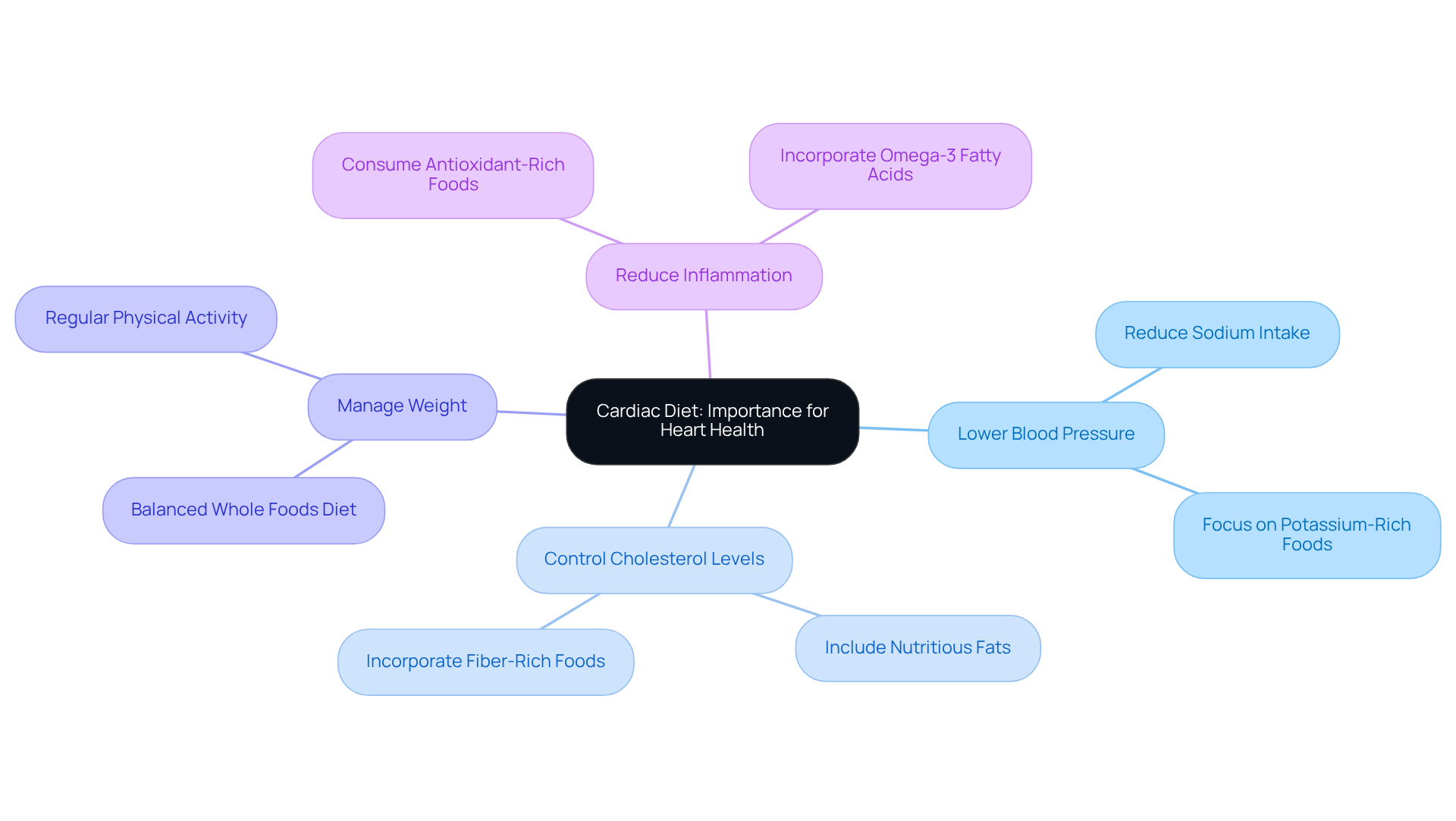
The significance of what is cardiac diet is truly vital, especially as we see cardiovascular disease rates rising around the world. Heart disease remains a leading cause of death, highlighting just how important our dietary choices are in prevention. A cardiac diet offers several benefits that can make a real difference:
Following a cardiac diet is essential for understanding what is cardiac diet, as it not only enhances cardiovascular well-being but also improves overall quality of life, particularly for seniors facing unique wellness challenges. Research shows that our food choices can significantly impact cardiovascular disease rates. In fact, studies indicate that individuals who stick to heart-friendly eating patterns can lower their risk of cardiac issues by as much as 80%. Cardiologists emphasize that even small, regular nutritional changes can lead to significant improvements in cardiovascular health. It’s essential for everyone to prioritize their eating habits as part of their overall health plan.
Additionally, Amavita's CardioElite™ program supports these nutritional efforts by acting as a clinical force multiplier. It provides advanced, real-time diagnostic data and 24/7 cardiology consultation. This integration of AI and AHA certification enhances proactive patient management, reduces emergency workloads, and addresses gaps in cardiac care, significantly lowering readmissions in skilled nursing facilities.
So, if you’re feeling uncertain about your heart health, remember that you’re not alone. There are resources and support available to help you make the best choices for your well-being.
The concept of what is cardiac diet has evolved significantly over the decades, shaped by ongoing research and changing nutritional perspectives. This journey is marked by several key milestones that can help us understand how to care for our heart health.
1940s-1970s: During this time, the diet-heart hypothesis emerged, suggesting a link between dietary fat intake and heart disease. This era introduced low-fat eating plans as a primary recommendation for heart health, influencing public health policies and nutrition guidelines. For instance, the American Heart Association's 1961 advice to limit saturated fat became a foundational nutrition policy, even though it faced later critiques regarding its scientific basis. It’s important to recognize how these early recommendations aimed to protect our hearts.
1980s-1990s: As research progressed, the importance of unsaturated fats and the Mediterranean diet came to light. This diet emphasizes whole foods and healthy fats, showing us that not all fats are created equal. The Lyon Diet Heart Study revealed a remarkable 72% reduction in cardiac deaths among those following a Mediterranean eating plan compared to controls. This shift redirected our focus from merely reducing fat intake to selecting beneficial types of fat, highlighting the role of nutritional quality in cardiovascular health. Isn’t it reassuring to know that what we choose to eat can make such a difference?
2000s-Present: Today, nutrition guidelines advocate for a balanced approach that includes a variety of food groups while prioritizing whole, minimally processed foods. Organizations like the American Heart Association have developed comprehensive nutritional recommendations that reflect this evolution, emphasizing the need for a holistic view of nutrition. The Women's Health Initiative study, which involved nearly 50,000 participants, revealed the challenges of achieving significant nutritional changes for cardiovascular well-being over time. It’s a reminder that change takes time, and that’s okay.
Today, what is cardiac diet is recognized as an adaptable and sustainable way of eating, focusing on cardiovascular well-being while considering personal preferences and cultural traditions. This evolution shows our growing understanding of how eating patterns affect heart health, moving beyond basic fat reduction to a more nuanced appreciation of food quality and diversity. Additionally, socio-economic factors play a crucial role in coronary artery disease risk, reminding us that our circumstances can influence our health choices.
As you reflect on your own dietary habits, remember that small changes can lead to significant improvements in your heart health. If you have concerns or questions, don’t hesitate to reach out for support. You’re not alone on this journey.

To understand what is cardiac diet, it's essential to incorporate a variety of foods that nurture your heart while avoiding those that could harm it. Let’s explore some key characteristics that can help you on this journey to better heart health.
By focusing on these key characteristics, you can better understand what is cardiac diet, creating a heart-healthy eating pattern that supports your cardiovascular health and enhances your overall well-being. Remember, you’re not alone in this journey; taking small steps can lead to significant changes. If you have any questions or need support, don’t hesitate to reach out. Your heart health is worth it!

Embracing a cardiac diet is a wonderful step towards enhancing your heart health and reducing the risk of cardiovascular diseases. This dietary approach focuses on nutrient-rich foods while minimizing those that can negatively impact heart function. By prioritizing elements like:
you can create a balanced eating pattern that supports your overall well-being.
Have you ever thought about how your food choices affect your heart? Key insights from the article highlight the importance of specific foods and their impact on heart health. Reducing sodium can help manage blood pressure, while incorporating healthy fats and fiber can improve cholesterol levels. Furthermore, the historical evolution of dietary guidelines shows how our understanding of nutrition has shifted towards a more holistic approach, emphasizing quality over quantity. This progression underscores the significance of making informed dietary choices that align with your heart health goals.
Ultimately, your journey towards better heart health can begin with small, manageable changes in your daily eating habits. By prioritizing a cardiac diet, you not only enhance your cardiovascular health but also improve your overall quality of life. Taking proactive steps, like consulting with a registered dietitian or utilizing resources such as Amavita's CardioElite™ program, can provide you with additional support in navigating this essential aspect of your health. Remember, every meal is an opportunity to invest in a healthier future for your heart.
What is a cardiac diet?
A cardiac diet is an approach focused on enhancing cardiovascular well-being and reducing the risk of heart-related diseases by emphasizing nutrient-rich foods and limiting those that negatively impact heart health.
What are the key principles of a cardiac diet?
Key principles include consuming a variety of fruits and vegetables, opting for whole grains, choosing lean proteins, incorporating healthy fats, and reducing sodium intake.
How many servings of fruits and vegetables should one aim for daily on a cardiac diet?
It is recommended to consume five or more servings of fruits and vegetables daily for optimal heart health.
What types of grains are recommended in a cardiac diet?
Whole grains such as brown rice, quinoa, and whole wheat bread are recommended instead of refined grains, with an aim of at least three servings a day.
What are some examples of lean proteins to include in a cardiac diet?
Lean proteins include skinless poultry, fish (especially those rich in omega-3 fatty acids), legumes, and nuts.
What types of fats should be incorporated into a cardiac diet?
Unsaturated fats from sources like olive oil, avocados, and nuts should be incorporated, while minimizing saturated and trans fats.
Why is reducing sodium important in a cardiac diet?
Reducing sodium is crucial for managing blood pressure, which is a key factor in heart health. Many Americans exceed the recommended sodium limit of 2300 mg per day.
How can following a cardiac diet benefit overall health?
Following a cardiac diet can lead to better management of lipids, glucose, and weight, enhancing quality of life and lowering the risk of chronic diseases.
Who should consider consulting a registered dietitian nutritionist (RDN)?
Individuals navigating cardiovascular conditions or other nutrition-related concerns may benefit from personalized guidance from a registered dietitian nutritionist (RDN).