


A resting heart rate below 60 beats per minute, often called bradycardia, can feel like a mixed blessing. For athletes, a lower heart rate is a badge of honor, showcasing their cardiovascular fitness. But for many others, it might raise red flags about underlying health issues that deserve attention.
Understanding what a low resting heart rate means is essential. It impacts not just your overall well-being but can also point to serious health risks, especially if you experience symptoms like fatigue or dizziness. Have you noticed any changes in your heart rate? It’s important to consider what might be contributing to this condition and when it’s time to reach out for help.
Exploring these questions can lead you toward better heart health and informed decision-making. Remember, you’re not alone in this journey. Seeking support is a positive step toward understanding your health better.
A low pulse frequency, often referred to as a slow heartbeat, is an example of what is considered a low resting heart rate when your pulse drops below 60 beats per minute (BPM) in adults. Typically, a normal pulse ranges from 60 to 100 BPM, but bradycardia can happen in various situations. For example, many top athletes have lower resting pulse rates, sometimes even in the 40s, due to their enhanced cardiovascular fitness.
However, if you’re not an athlete, a pulse below 60 BPM, which is what is considered a low resting heart rate, might signal potential health issues, especially if you experience symptoms like fatigue, dizziness, or shortness of breath. Understanding this definition is crucial. It helps you recognize when a low pulse might need medical attention. Generally, a slow heartbeat without symptoms isn’t linked to a higher risk of heart problems. But if you do notice any concerning symptoms, it’s important to reach out to a healthcare professional for a thorough evaluation.
Remember, your health matters, and seeking help is a sign of strength. You’re not alone in this; there are caring professionals ready to support you.
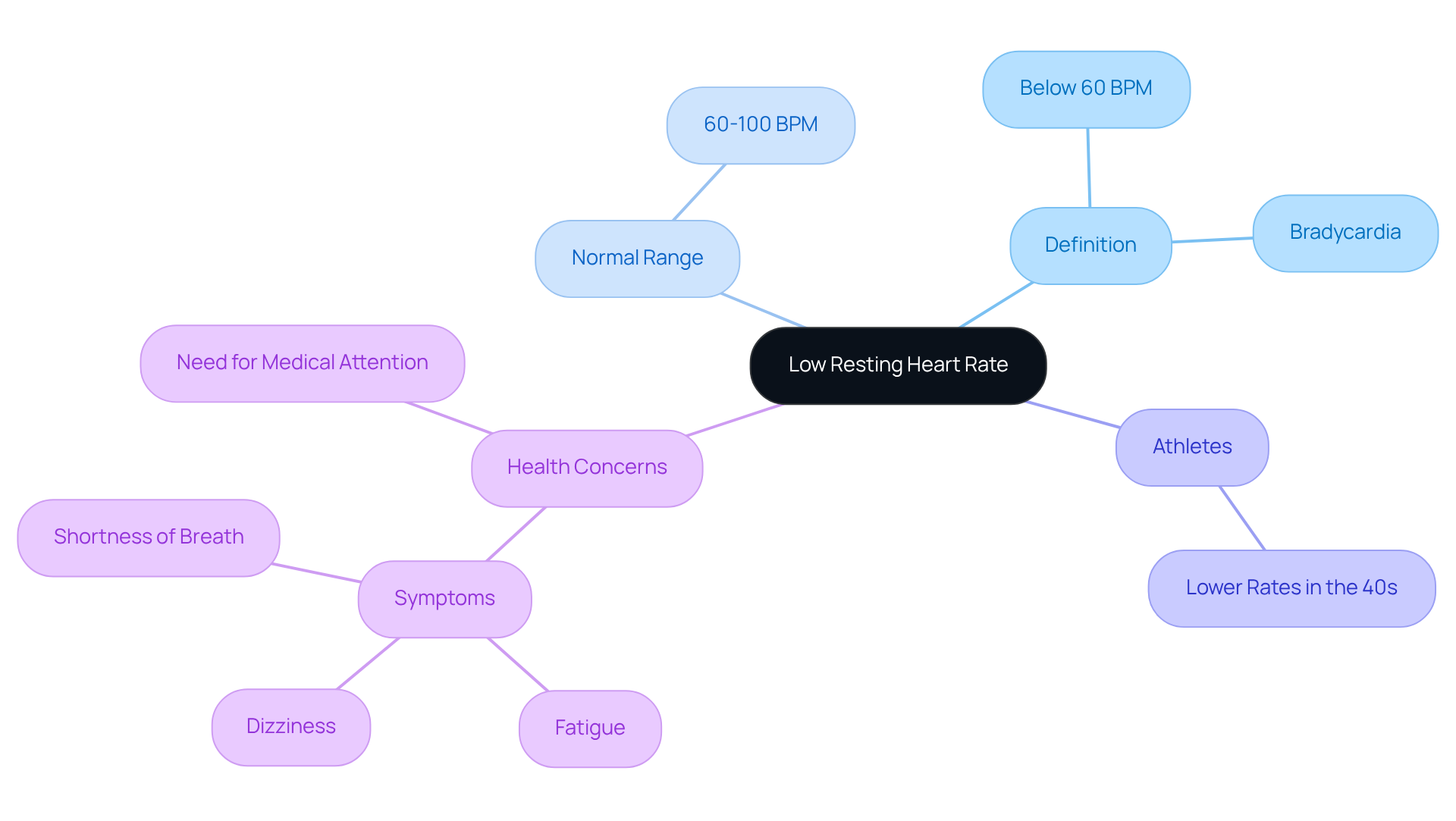
A relaxed pulse is a vital indicator of your cardiovascular health, typically ranging from 60 to 100 beats per minute (BPM) for adults. If your resting pulse rate dips below 60 BPM, this is what is considered a low resting heart rate, and it could signal potential health issues, particularly for older adults. This condition may lead to insufficient blood flow to essential organs, increasing the risk of serious complications like cardiovascular disease, fainting, or even sudden cardiac arrest if not addressed promptly.
Did you know that around 6.2% of older patients experience symptomatic bradycardia? This makes regular monitoring of your pulse incredibly important for early detection and management. Symptoms such as fatigue, dizziness, and confusion can arise from a dangerously low pulse, and these require immediate medical attention. As emphasized by Amavita Heart and Vascular Health, being aware and responding quickly is crucial when dealing with a low pulse.
Amavita's CardioElite™ program offers innovative AI-powered diagnostic technology, providing real-time guidance and accurate imaging for effective cardiac assessments. Furthermore, making lifestyle changes - like engaging in regular physical activity and maintaining a nutritious diet - can significantly reduce the risks associated with low pulse levels.
Regular pulse monitoring is essential for the early detection and management of conditions related to what is considered a low resting heart rate. Amavita offers comprehensive programs, including the Optimal program at $416/month and the Perfect program at $625/month, designed to ensure prompt intervention and enhance your overall cardiovascular health. Remember, you’re not alone in this journey; support is available, and taking these steps can lead to a healthier, more vibrant life.

A low calm pulse can be concerning, and it’s important to understand what might be causing it. Here are some common factors that could lead to this condition:
Understanding these causes is crucial for recognizing what is considered a low resting heart rate that may require medical attention. If you notice symptoms like dizziness, fatigue, or chest discomfort, please don’t hesitate to reach out for help. Your health and well-being are important, and support is always available.

Bradycardia can sometimes go unnoticed, but when symptoms do appear, they can be concerning. You might experience:
Bradycardia is defined as having a pulse of fewer than 60 beats per minute, which is what is considered a low resting heart rate. If you notice these symptoms along with what is considered a low resting heart rate, it’s important to seek medical attention promptly. Early intervention can prevent serious complications and improve outcomes. Did you know that a slow heart rate affects about one in 600 individuals over 65? This makes it especially concerning for our senior patients.
At Amavita Heart and Vascular Health®, we understand your worries. Our CardioElite™ program employs innovative AI-powered diagnostic technology, including portable, FDA-cleared AI ultrasound for bedside cardiac diagnostics and real-time guidance for accurate imaging. Recognizing these signs and acting quickly can truly make a difference in managing bradycardia effectively.
As the Cleveland Clinic reminds us, "Bradycardia is treatable and often curable." This highlights the importance of addressing these symptoms without delay. Remember, you’re not alone in this journey; we’re here to support you every step of the way.

A low resting heart rate, defined as a pulse below 60 beats per minute, is an important indicator of cardiovascular health. While it can signify fitness in athletes, for others, it may point to underlying health issues that need attention. It’s essential to recognize the difference between a healthy low heart rate and one that could lead to complications, as this understanding is vital for maintaining your overall well-being.
In this article, we’ve explored various aspects of low resting heart rate, including its definition, potential causes, symptoms, and the significance of monitoring this vital sign. Factors such as physical fitness, medications, heart conditions, aging, hypothyroidism, and sleep apnea can all contribute to a low pulse. Symptoms like fatigue, dizziness, and shortness of breath should never be ignored; they may indicate the need for prompt medical evaluation.
Understanding what constitutes a low resting heart rate and its implications is crucial for proactive health management. Regular monitoring, awareness of symptoms, and lifestyle adjustments can greatly enhance your cardiovascular health. Embracing these practices not only empowers you to take charge of your health but also fosters a supportive environment for those navigating similar concerns.
Prioritizing heart health can lead to a more vibrant and fulfilling life. Remember, staying informed and engaged in your well-being journey is key. If you have any concerns about your heart rate or overall health, don’t hesitate to reach out for support. You’re not alone in this, and taking these steps can make a significant difference in your life.
What is considered a low resting heart rate?
A low resting heart rate is defined as a pulse rate that drops below 60 beats per minute (BPM) in adults.
What is the normal range for resting heart rate?
The normal resting heart rate typically ranges from 60 to 100 BPM.
Can athletes have a low resting heart rate?
Yes, many top athletes have lower resting heart rates, sometimes even in the 40s, due to their enhanced cardiovascular fitness.
What symptoms might indicate a low resting heart rate is a health concern?
Symptoms such as fatigue, dizziness, or shortness of breath may indicate that a low resting heart rate could signal potential health issues.
Should I seek medical attention for a low resting heart rate?
If you experience concerning symptoms along with a low resting heart rate, it is important to reach out to a healthcare professional for a thorough evaluation.
Is a low resting heart rate without symptoms linked to heart problems?
Generally, a slow heartbeat without symptoms is not linked to a higher risk of heart problems.