


Understanding the anatomy and position of the heart is crucial, especially for women who often face unique cardiovascular challenges. Nestled in the thoracic cavity, the heart is not just a vital organ for circulation; it plays a key role in overall health, influencing various bodily functions.
Given that heart disease remains a leading cause of death among women, it’s important to ask: how can awareness of the heart's location and its specific health implications empower women to take control of their cardiovascular health?
By recognizing the heart's significance, women can better understand their own health journeys. This knowledge can foster a sense of empowerment, encouraging proactive steps toward heart health. Remember, you are not alone in this journey; support is available, and taking action can lead to a healthier future.
The question of where the heart is located in the female body can be answered by noting that the cardiac muscle, about the size of a fist, is nestled in the thoracic cavity and plays a vital role in circulating fluid throughout our bodies. It consists of four chambers: the right and left atria, and the right and left ventricles. Its primary job is to pump oxygen-rich blood to our tissues and organs while bringing deoxygenated blood back to the lungs for reoxygenation. This organ is essential for maintaining balance in our bodies and supporting life, ensuring that all systems receive the nutrients and oxygen they need.
For women, is especially important due to unique variations in cardiovascular conditions and risk factors compared to men. Did you know that , particularly those over 65? A This highlights the need for . Research shows that women often experience unusual symptoms during cardiac events, which can lead to delays in treatment. Therefore, gender-specific approaches in cardiovascular care, like those offered by Amavita's , are crucial for improving outcomes.
Moreover, cardiologists stress that is crucial, as the heart's function goes beyond circulation and plays a key role in maintaining overall balance within the body. As Dr. Haythe points out, recognizing the , is vital for effective prevention and treatment strategies. Additionally, with 25% of , it’s essential to emphasize thorough and preventive measures. By focusing on cardiovascular wellness education and awareness, along with advanced diagnostic tools like those provided by Amavita ®, women can take proactive steps to reduce their risk of heart-related illnesses.

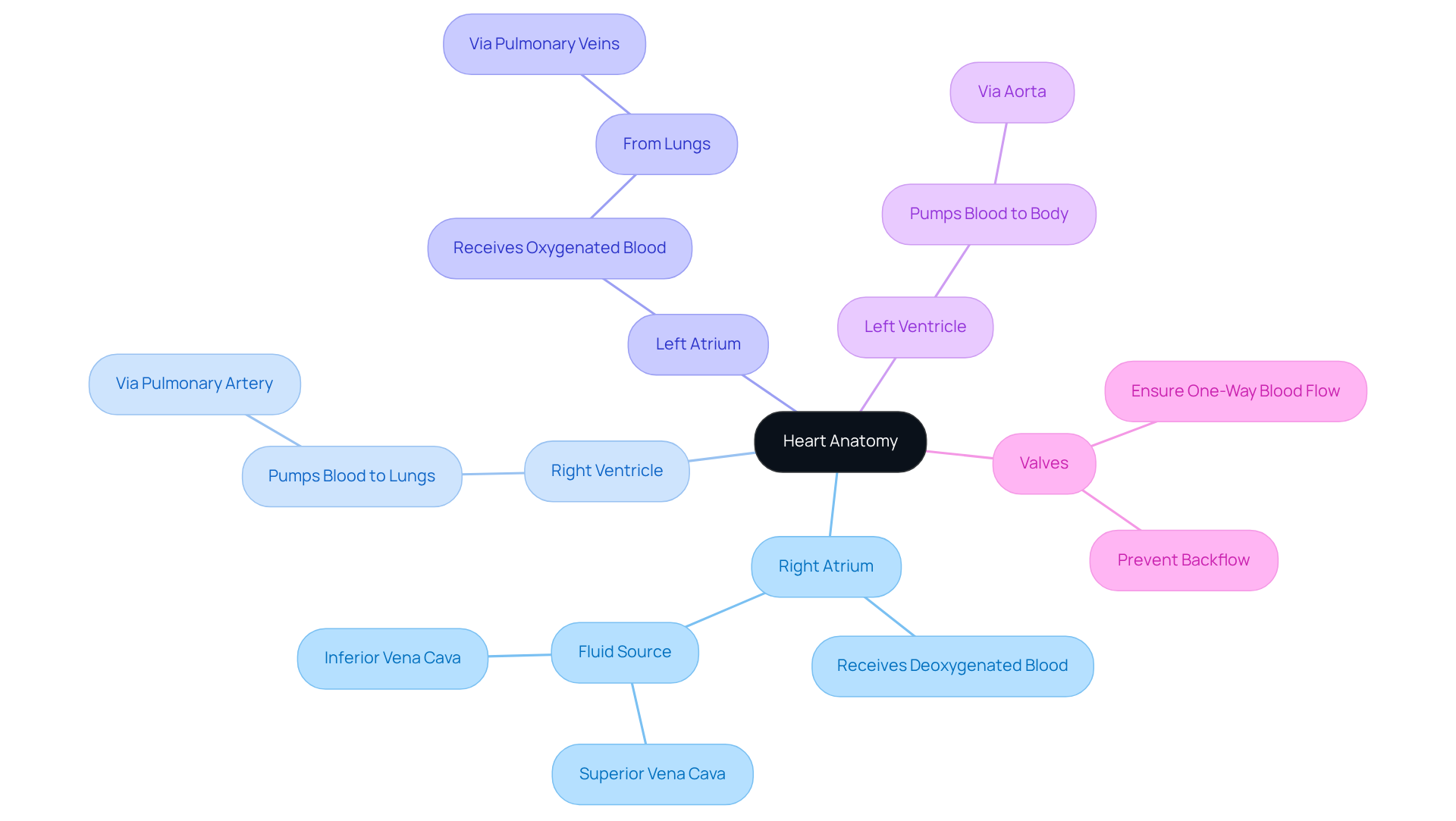
The heart consists of four main chambers: the right atrium and right ventricle, which manage deoxygenated fluid, and the left atrium and left ventricle, which handle oxygenated fluid. The right atrium receives fluid from the body through the superior and inferior vena cavae, while the right ventricle pumps it to the lungs via the pulmonary artery for oxygenation. Meanwhile, the left atrium gathers oxygen-rich fluid from the lungs through the pulmonary veins, and the left ventricle sends it out to the body through the aorta.
Additionally, this vital organ contains valves that ensure blood flows in one direction, preventing backflow. Understanding these elements is crucial, especially for women, as they may experience various symptoms and risks related to , including knowing , along with coronary artery issues and heart failure. Did you know that skilled nursing facilities often face significant challenges in managing these conditions? This highlights the importance of specialized care.
At Amavita Vascular and Cardiac Health, we are dedicated to addressing these challenges through comprehensive and innovative for . Our expert team, led by specialists like , focuses on restoring cardiac function and enhancing quality of life. We strive to ensure that our patients receive the best possible care with minimal disruption.
If you're experiencing irregular heartbeats or symptoms of valve disease, we encourage you to explore our FAQs. They provide valuable insights into these conditions and the advanced treatments available. Remember, you’re not alone in this journey; we’re here to support you every step of the way.
In answering the question of , it is important to note that the organ is situated in the mediastinum, a central area of the thoracic cavity, just slightly left of the midline and behind the sternum, or breastbone. It’s flanked by the lungs and encased in the pericardium, a protective sac. This central position allows the organ to effectively pump blood to both the lungs and the rest of the body.
For women, knowing can sometimes lead to . Symptoms may manifest differently than they do in men. For instance, women might experience more subtle signs of cardiovascular issues, such as fatigue or shortness of breath, rather than the typical chest pain associated with heart problems.
At Amavita Heart and Vascular Health®, we understand these differences and prioritize . Our preventive cardiology approach combines advanced risk assessment tools with personalized interventions, including and same-day recovery options. This ensures that you receive care tailored to your specific needs and lifestyle.
We’re here to support you every step of the way. If you have concerns about , don’t hesitate to reach out. Your well-being is our top priority, and we’re committed to helping you live your .

Coronary artery conditions (CAD), , and are common health issues that can deeply impact women’s lives. CAD, which involves the narrowing of coronary arteries, is a leading cause of heart-related events and is often overlooked in women. Did you know that about 80% of women aged 40 to 60 have one or more ? Additionally, two out of three women face risk factors for , a situation that worsens with age. This reality underscores the urgent need for awareness and proactive management.
occurs when the heart struggles to pump blood effectively, leading to symptoms like fatigue and swelling. Unfortunately, these symptoms can often be mistaken for other health issues. Women may experience these signs differently than men, which can result in misdiagnoses. Moreover, , or irregular heartbeats, are more common in women, especially as they age, and can lead to serious complications if not addressed promptly.
Consider the real-life implications of CAD in women. Younger women, for instance, are at a and may leave the hospital after cardiac events without proper diagnosis of microvascular cardiovascular conditions. This highlights the importance of recognizing the , which can differ from the traditional signs seen in men. It’s alarming to note that is the leading cause of death among women, emphasizing the seriousness of this issue.
Understanding these cardiovascular conditions is crucial for improving prevention strategies and health outcomes for women. By recognizing the specific risks and symptoms associated with CAD and other heart diseases, including factors like and pregnancy-related complications, women can take charge of their health. Seeking timely medical intervention can lead to , ultimately enhancing quality of life.
If you or someone you know is experiencing symptoms or has concerns about , don’t hesitate to reach out for support. You deserve to feel empowered and informed about your health.

Understanding the location and function of the heart in the female body is essential for promoting cardiovascular health. The heart, a vital organ nestled in the thoracic cavity, plays a crucial role in pumping oxygen-rich blood throughout the body. Have you ever thought about how its unique positioning and the variations in symptoms experienced by women can significantly impact the prevention and treatment of heart-related diseases?
Throughout this article, we’ve shared key insights regarding the heart's anatomy, its critical functions, and the specific cardiovascular risks faced by women. From the four chambers that manage blood flow to the importance of recognizing atypical symptoms during cardiac events, it’s clear that tailored approaches to heart health are necessary. Furthermore, we highlighted the prevalence of coronary artery disease and other conditions that disproportionately affect women, underscoring the need for increased awareness and proactive management.
Ultimately, empowering women with knowledge about their heart health is vital. By understanding the unique risks and symptoms associated with cardiovascular conditions, women can take informed steps towards better health outcomes. Seeking regular evaluations, being aware of symptoms, and engaging in preventive care are essential actions that can lead to improved quality of life. Remember, prioritizing heart health not only benefits individual women but also contributes to the overall well-being of the community. Together, let’s take these steps towards a healthier future.
Where is the heart located in the female body?
The heart, about the size of a fist, is located in the thoracic cavity and consists of four chambers: the right and left atria, and the right and left ventricles.
What is the primary function of the heart?
The primary function of the heart is to pump oxygen-rich blood to the tissues and organs while bringing deoxygenated blood back to the lungs for reoxygenation.
Why is understanding heart health important for women?
Understanding heart health is crucial for women due to unique variations in cardiovascular conditions and risk factors compared to men, as cardiovascular disease is the leading cause of death among women, particularly those over 65.
What are some unique challenges women face regarding cardiovascular health?
Women often experience unusual symptoms during cardiac events, which can lead to delays in treatment, and they may face unique risk factors such as hormonal changes during menopause.
How often does a cardiac event occur in the U.S.?
A cardiac event occurs every 39 seconds in the U.S.
What role does Amavita's CardioElite™ program play in cardiovascular care for women?
Amavita's CardioElite™ program offers gender-specific approaches to cardiovascular care, which are crucial for improving outcomes in women's heart health.
What percentage of heart failure patients rely on post-acute care facilities?
25% of heart failure patients rely on post-acute care facilities.
What steps can women take to reduce their risk of heart-related illnesses?
Women can take proactive steps to reduce their risk of heart-related illnesses by focusing on cardiovascular wellness education, awareness, and utilizing advanced diagnostic tools provided by Amavita Heart and Vascular Health®.