Introduction
Understanding the complexities of heart health is more important than ever. Cardiovascular diseases remain a leading cause of mortality worldwide, and it’s natural to feel concerned about your heart. Cardiac calcium scans can be a vital tool in assessing your heart health. They provide insights that may lead to early intervention and better outcomes.
But many people are unsure about how to access these potentially life-saving tests. What steps can you take to find a cardiac calcium scan nearby? How do eligibility and preparation affect your experience? Exploring these questions can empower you to take charge of your heart health and make informed decisions about your well-being. Remember, you’re not alone in this journey; support is available to help you every step of the way.
Understand Cardiac Calcium Scans and Their Importance
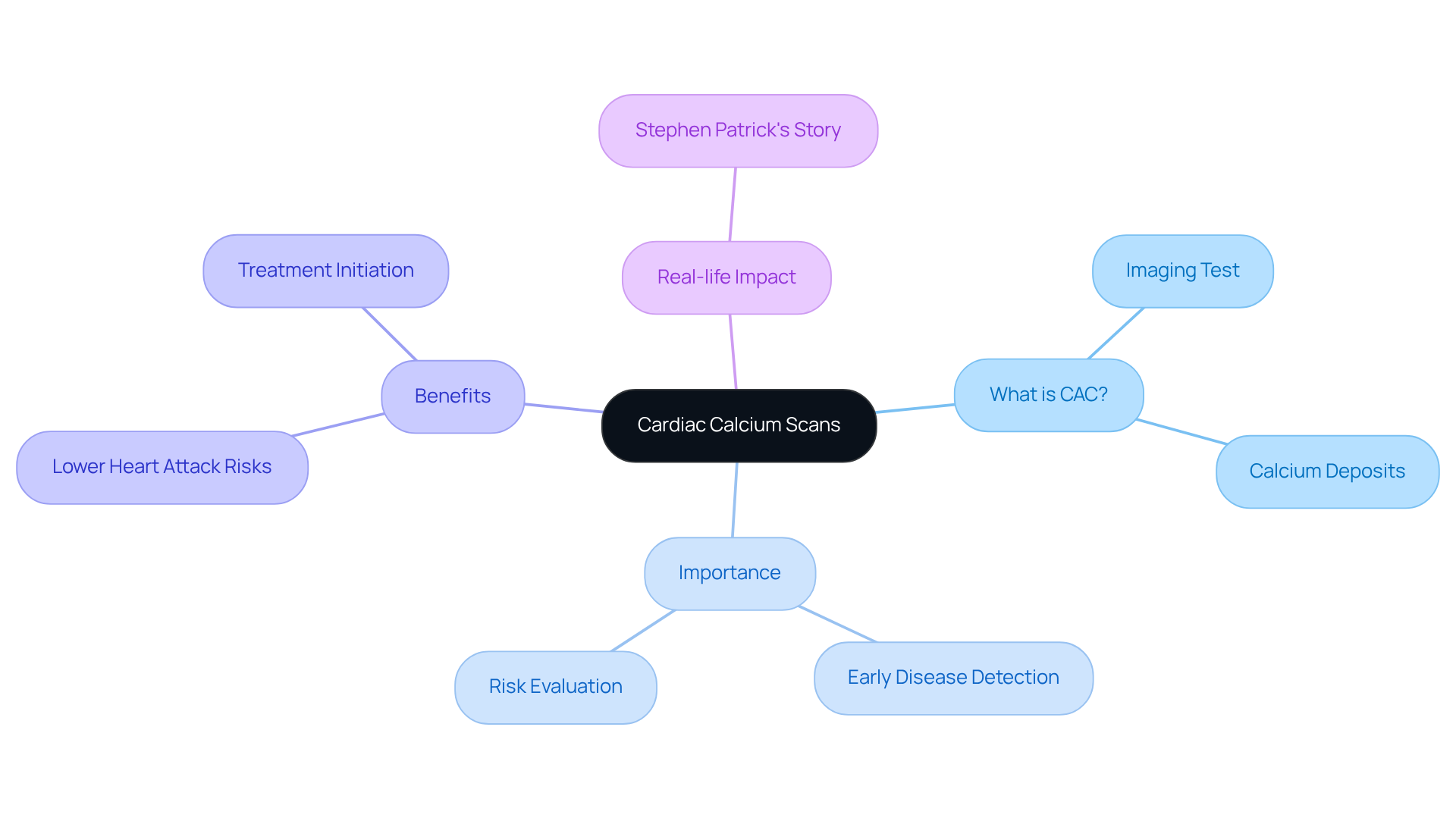
A , also known as a , is a specialized imaging test that uses computed tomography (CT) to find in the coronary arteries. These deposits can indicate atherosclerosis, a condition where plaque builds up and may lead to cardiovascular disease or serious heart events. Understanding the is vital, especially for those at risk of heart issues. The examination provides a , which measures the amount of calcium present and helps evaluate the risk of potential cardiovascular events. Higher scores are linked to an increased risk, prompting further evaluation and preventive measures.
Have you ever wondered how your is doing? Recent studies highlight the benefits of , particularly for individuals aged 40 and older. For instance, a 2024 study revealed that patients with a zero CAC score have three times lower risks of heart attack and overall mortality. This underscores the procedure's role in early disease detection. Moreover, those with elevated scores are more likely to start , which can significantly improve long-term health outcomes.
Real-life stories can illustrate the impact of CAC testing. Take Stephen Patrick, a 70-year-old retired tech executive. After noticing rising cholesterol levels, he decided to undergo a CAC examination. His score of 176 motivated him to begin atorvastatin, leading to a notable reduction in his cholesterol levels and a greater awareness of his overall wellness.
The importance of s in cannot be overstated. They provide crucial insights into , especially for individuals with risk factors like high cholesterol, hypertension, or a family history of heart issues. By identifying hidden dangers, these examinations empower individuals to take proactive steps toward better .
If you or a loved one are concerned about , consider discussing a CAC examination with your healthcare provider. Taking this step can be a vital part of your journey toward a healthier future.
Determine Eligibility for a Cardiac Calcium Scan
Are you wondering if a near me is right for you? Understanding your eligibility can be a crucial step in taking charge of your . Here are some important criteria to consider:
- Age: If you’re 40 or older, this test is often recommended, especially if you have . Research shows that are more susceptible to heart conditions, making .
- Risk Factors: Do you have a , high cholesterol, hypertension, diabetes, or lead a sedentary lifestyle? If so, it’s important to consider getting a for screening. Studies indicate that these risk factors significantly increase your chances of developing cardiovascular problems, highlighting the need for proactive health measures.
- Symptoms: Even if you feel fine, . This noninvasive test can identify calcified plaque in your heart arteries before any symptoms appear, allowing you to make timely lifestyle changes and interventions to prevent heart disease from progressing.
- Consultation: It’s essential to have a about your personal risk factors. They can help you understand whether this test is appropriate for you. A tailored discussion can clarify the benefits of the assessment based on your health history and current condition.
Taking these steps can feel overwhelming, but remember, you’re not alone. Reaching out for support is a positive move towards safeguarding your .

Locate a Facility Offering Cardiac Calcium Scans Near You
Finding a facility that provides can be a straightforward process, and we’re here to help you every step of the way. Here are some effective steps to guide you:
- Online search: Start by using search engines to find or hospitals that provide a near me. Phrases like ' near me' or '' can direct you to useful options.
- : It’s wise to consult your for a list of covered facilities. This way, you can avoid unexpected expenses and ensure you receive the care you need without added financial stress.
- Local Hospitals: Many hospitals have radiology departments that provide . Don’t hesitate to reach out to them directly or check their websites for detailed information about their services. For example, Daviess Community Hospital offers a $49 , which has been a lifesaver for individuals like Mike Williams, who discovered through this examination.
- Referrals: Consider asking your primary care physician for recommendations. They can guide you to trustworthy establishments that align with your health needs and preferences.
- Patient Reviews: Take some time to read about the facilities you’re considering. High is crucial; for instance, Daviess Community Hospital has received positive feedback for its , which is quick, simple, and takes just 30 minutes.
By following these steps, you can find a facility that meets your needs for cardiac imaging, ensuring timely and efficient evaluations of your heart health. Remember, the typical cash price for a score test in Arizona is $109, making the $49 examination at Daviess Community Hospital a budget-friendly choice. Plus, some members may not incur any out-of-pocket costs when opting for lower-cost locations. You’re not alone in this journey; we’re here to support you.

Prepare for Your Cardiac Calcium Scan
Preparing for a near me is , and we understand that this process can feel a bit overwhelming. Here are some important steps to help you feel more at ease:
- Avoid Food and Drink: It’s best to for at least 4-6 hours before your procedure. This fasting period is crucial for ensuring clear imaging and a precise evaluation of your .
- : Please before the test. These substances can raise your pulse rate, which might affect the results. Also, try to avoid alcohol for at least 24 hours prior to the examination. As one radiologist noted, "Caffeine is a stimulant that can cause palpitations, potentially disrupting the quality of the imaging."
- Clothing: Wear comfortable, to your appointment. You might be asked to change into a gown at the facility, so dressing comfortably can help ease the process.
- Medications: Continue taking your usual medications unless your healthcare provider advises otherwise. It’s important to let your provider know about any medications you’re taking that could affect your heart rate.
- Arrive Early: Plan to and any necessary paperwork. Arriving 15-30 minutes before your scheduled appointment can help reduce stress and ensure a smooth experience. The overall appointment duration may take 40 minutes to one hour, with the actual imaging lasting only a few minutes.
By following these guidelines, you can help make your as effective and informative as possible. Remember, not adhering to these preparation steps could lead to flawed imaging outcomes, which might impact your evaluation. Additionally, aim for a to support your overall cardiovascular wellness. We’re here to support you every step of the way!

Know What to Expect During and After the Scan
Understanding what to expect during and after your near me can help ease any anxiety you might feel. Here’s what you need to know:
- During the Scan: The procedure is quick and non-invasive, typically lasting about 10-15 minutes. You’ll lie on a table while a CT scanner captures images of your cardiovascular system, which may be relevant for those seeking a . Electrodes may be placed on your chest to monitor your heart activity. Staying still during the examination is essential for getting clear images. With Dr. Martinez-Clark's and extensive cardiovascular experience, you can trust that a near me and other sophisticated tests are integrated into your at Amavita. This is especially beneficial for high-risk patients, including those with diabetes, hypertension, or a family history of heart disease.
- Post-Scan: You can return to your normal activities right after the scan, as there are no restrictions. Most patients receive their results within a few days, depending on the facility. In a multicenter trial, asymptomatic patients with a zero mineral score had a 10-year all-cause mortality rate of less than 1%. This highlights the importance of and comprehensive evaluations, such as a , available at Amavita.
- Follow-Up: It’s crucial to discuss your results with your healthcare provider to understand what they mean for your cardiovascular health and any necessary next steps. If your calcium score indicates a higher risk, your doctor may suggest lifestyle changes or a near me for further testing. Many patients, like John Heitkamp, have shared transformative experiences following their scans. Heitkamp noted, "That was the cheapest thing I’ve ever done to save my life," which underscores the value of proactive heart health management at Amavita. Remember, you’re not alone in this journey; we’re here to support you every step of the way.

Conclusion
Understanding the significance of cardiac calcium scans is essential for anyone concerned about their heart health. These specialized imaging tests not only reveal the presence of calcium deposits in the coronary arteries but also serve as a crucial tool for assessing the risk of cardiovascular disease. By identifying potential issues early on, individuals can take proactive steps toward maintaining their heart health. This makes a cardiac calcium scan an invaluable part of preventive care.
Throughout this guide, we’ve explored the importance of cardiac calcium scans, eligibility criteria, and preparation steps. We’ve also provided practical advice on locating facilities that offer these tests. Key insights include:
- The necessity of discussing personal risk factors with healthcare providers
- The benefits of timely intervention based on calcium scores
- The ease of the scanning process itself
Real-life examples illustrate how these examinations have positively impacted individuals' health journeys.
Ultimately, taking charge of your heart health through cardiac calcium scans can lead to significant benefits, including early detection and intervention for potential cardiovascular issues. For those at risk, it’s imperative to consider scheduling a scan and discussing the results with a healthcare professional. This proactive approach not only empowers you to make informed health decisions but also fosters a culture of awareness and care that can lead to healthier lives. Remember, you’re not alone in this journey; support is available, and taking these steps can truly make a difference.
Frequently Asked Questions
What is a cardiac calcium scan?
A cardiac calcium scan, also known as a coronary artery calcium (CAC) assessment, is a specialized imaging test that uses computed tomography (CT) to detect calcium deposits in the coronary arteries, which can indicate atherosclerosis and the risk of cardiovascular disease.
Why is a cardiac calcium scan important?
The scan provides a calcium score that measures the amount of calcium present, helping to evaluate the risk of potential cardiovascular events. Higher scores are associated with an increased risk of heart issues, prompting further evaluation and preventive measures.
Who should consider getting a cardiac calcium scan?
Individuals aged 40 and older, especially those with risk factors such as a family history of heart disease, high cholesterol, hypertension, diabetes, or a sedentary lifestyle, should consider getting a cardiac calcium scan.
How does a zero calcium score affect heart attack risk?
A 2024 study indicated that patients with a zero CAC score have three times lower risks of heart attack and overall mortality, highlighting the test's role in early disease detection.
Can a cardiac calcium scan lead to preventive measures?
Yes, individuals with elevated calcium scores are more likely to start cholesterol-lowering treatments, which can significantly improve long-term health outcomes.
What should I discuss with my healthcare provider regarding a cardiac calcium scan?
You should discuss your personal risk factors and health history with your healthcare provider to determine if a cardiac calcium scan is appropriate for you.
Is the cardiac calcium scan a noninvasive procedure?
Yes, the cardiac calcium scan is a noninvasive test that can identify calcified plaque in the heart arteries before any symptoms appear.
How can real-life stories illustrate the impact of cardiac calcium scans?
For example, Stephen Patrick, a 70-year-old who underwent a CAC examination, found a score of 176, which motivated him to start atorvastatin and significantly reduce his cholesterol levels, improving his overall wellness.
What are the benefits of early detection through a cardiac calcium scan?
Early detection through a cardiac calcium scan allows individuals to make timely lifestyle changes and interventions to prevent heart disease from progressing, especially for those with risk factors.
List of Sources
- Understand Cardiac Calcium Scans and Their Importance
- There's a test to predict heart attack risk. Why aren't more people using it? (https://advisory.com/daily-briefing/2025/07/29/cac-test)
- Calcium Score CT Scan: Who Needs It in 2026? (https://lakeviewcardiologytexas.com/2026/02/16/calcium-score-ct-scan)
- Cardiovascular Screenings Help You Understand Your Risk (https://avera.org/news-media/news/2026/cardiovascular-screenings)
- Determine Eligibility for a Cardiac Calcium Scan
- Exams We Offer: Cardiac CT Calcium Score (https://hopkinsmedicine.org/imaging/exams-and-procedures/screenings/cardiac-ct)
- Cardiovascular Screenings Help You Understand Your Risk (https://avera.org/news-media/news/2026/cardiovascular-screenings)
- Do I Need a Coronary Calcium Scan? (https://nm.org/healthbeat/healthy-tips/Do-I-Need-a-Coronary-Calcium-Scan)
- Coronary Artery Calcium and the Age-Specific Competing Risk of Cardiovascular Versus Cancer Mortality: The Coronary Artery Calcium Consortium - PMC (https://pmc.ncbi.nlm.nih.gov/articles/PMC7541686)
- Locate a Facility Offering Cardiac Calcium Scans Near You
- Northwest Health – Porter Offers Affordable Heart Scan: Calcium Scoring Screening | Newsroom (https://nwhealthlaporte.com/news-room/northwest-health-porter-offers-affordable-heart-sc-18335)
- How a $49 Heart Scan at DCH Saved a Life: Read Mike Williams' Story (https://dchosp.org/news/2024/august/daviess-community-hospital-s-calcium-heart-scan-)
- Heartfelt Hope: Williamson Health Set to Offer Heart Screening Promotion in February | Williamson Health (https://williamsonhealth.org/news/heartfelt-hope-williamson-health-set-to-offer-heart-screening-promotion-in-february)
- Cost for calcium score test in Arizona | Sidecar Health (https://cost.sidecarhealth.com/cs/calcium-score-test-cost-in-arizona)
- Prepare for Your Cardiac Calcium Scan
- Why No Caffeine Before Calcium Scoring: A Guide to Accurate Results - Ezra (https://ezra.com/blog/why-no-caffeine-before-calcium-scoring-a-guide-to-accurate-results)
- Prepare for Your Coronary CT Calcium Scan: Essential Steps to Follow (https://amavita.health/blog/prepare-for-your-coronary-ct-calcium-scan-essential-steps-to-follow)
- Orlando: How to Prepare for a Heart Scan - Life Imaging FLA (https://lifeimagingfla.com/orlando-how-to-prepare-for-a-heart-scan)
- Calcium Score Test: This Has Nothing To Do With Your Teeth or Bones (https://my.clevelandclinic.org/health/diagnostics/16824-calcium-score-screening-heart-scan)
- Know What to Expect During and After the Scan
- Coronary calcium CT scans motivate lifestyle changes (https://auntminnie.com/clinical-news/ct/article/15598775/coronary-calcium-ct-scans-motivate-lifestyle-changes)
- An update on the coronary calcium score: a review for clinicians - PMC (https://pmc.ncbi.nlm.nih.gov/articles/PMC9885234)
- Coronary calcium screening reveals hidden heart problems (https://news.sanfordhealth.org/heart/coronary-calcium-score-reveals-hidden-heart-problems)
- Long-Term Prognosis After Coronary Artery Calcium Scoring Among Low-Intermediate Risk Women and Men | Circulation: Cardiovascular Imaging (https://ahajournals.org/doi/10.1161/circimaging.115.003742)


